


































A FREE product of your choice from €70 of purchase
Rated 4.5/5 - Trustpilot
Search

What are the foods we need to promote a healthy microbiota?

Written by Anna Oualid

Published on 10 November 2023
Updated on 22 January 2026
alimentation microbiote
SUMMARY
  1. First of all, it is essential to understand what microbiota is
  2. Healthy foods for a good microbiota
  3. Promote healthy skin flora
  4. Food supplements for optimal support
  5. Sources:

Discover your hormonal profile in just a few clicks!

TAKE THE TEST

First of all, it is essential to understand what microbiota is

To understand the importance of the microbiota, let's start by defining what this fascinating ecosystem is. Our digestive tract is home to a veritable community of micro-organisms – as many as there are cells in our body.

This incredible diversity, essential to our health, is what we call our intestinal microbiota.

What's more, it's crucial to note that its balance plays a major role in our overall well-being. However, imbalances can occur, impacting our health in different ways. This is why understanding how to promote a healthy microbiota is at the heart of today's concerns for optimal health.

To promote a healthy microbiota, it is essential to understand the key elements that contribute to maintaining a healthy intestinal and skin flora . Food plays a fundamental role in this delicate balance. In this article, discover the food choices you should make to support the health of your microbiota, as well as food supplements to optimize these benefits.

Healthy foods for a good microbiota


Image for blog post

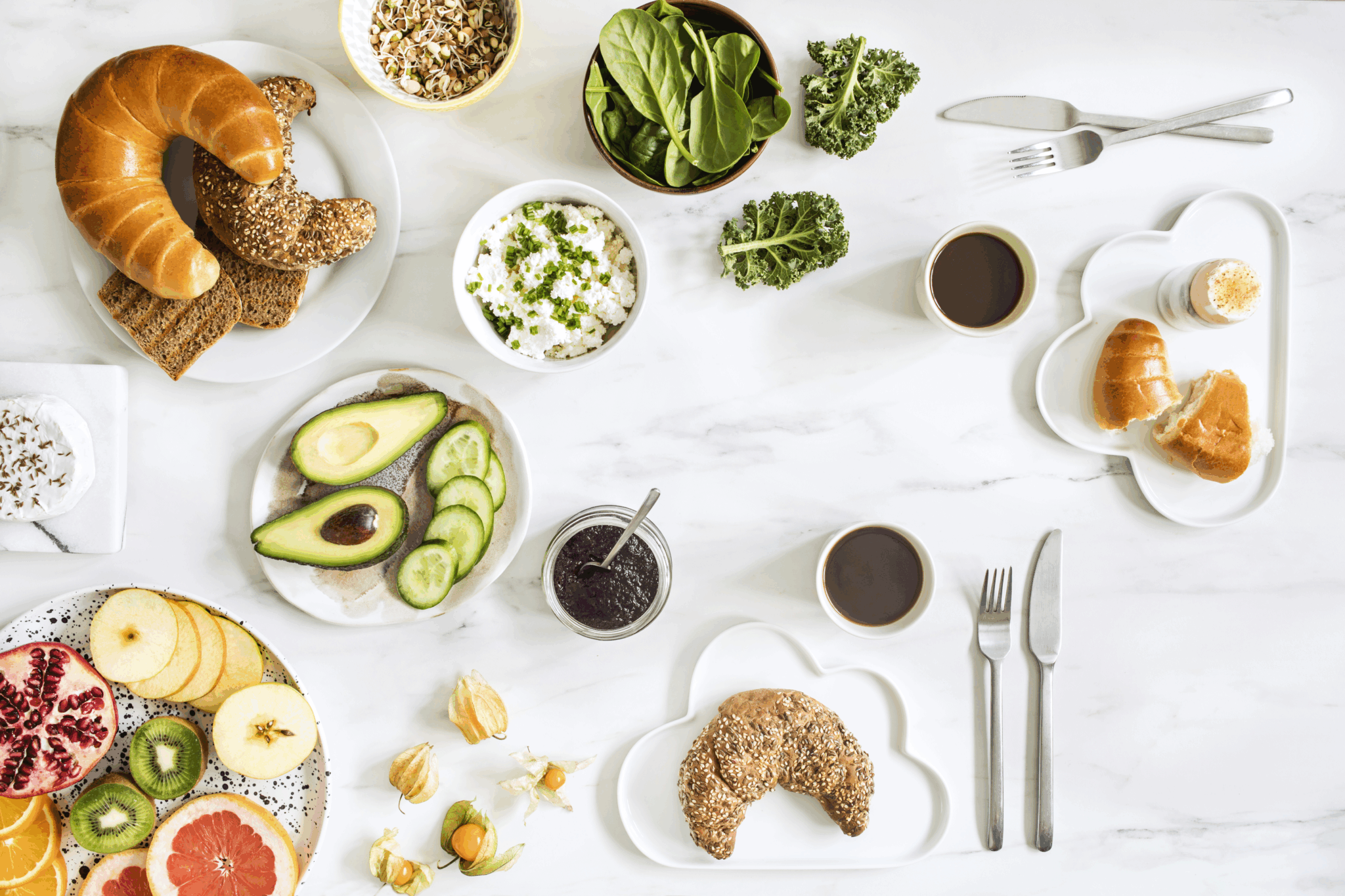
First of all, it's important to focus on the healthy foods that form the basis of a good microbiota.

  • High-fiber vegetables such as spinach , artichokes and broccoli are essential allies. These dietary fibers act as a feast for the good bacteria present in our intestines, encouraging them to proliferate and carry out their beneficial activity.
  • Similarly, fruits such as berries and apples provide essential nutrients, such as antioxidants and vitamins, which support a balanced intestinal flora. Antioxidants, in particular, help to reduce inflammation and protect our gut cells, creating a favorable environment for the growth of good bacteria.
  • What's more, wholegrain cereals , which are rich in prebiotics, nourish the good bacteria in our intestines. Prebiotics are non-digestible compounds that serve as a food source for probiotics, the beneficial micro-organisms that support intestinal health. Wholegrain cereals , such as brown rice and oats , are wise choices for incorporating these essential elements into our diet.

Promote healthy skin flora


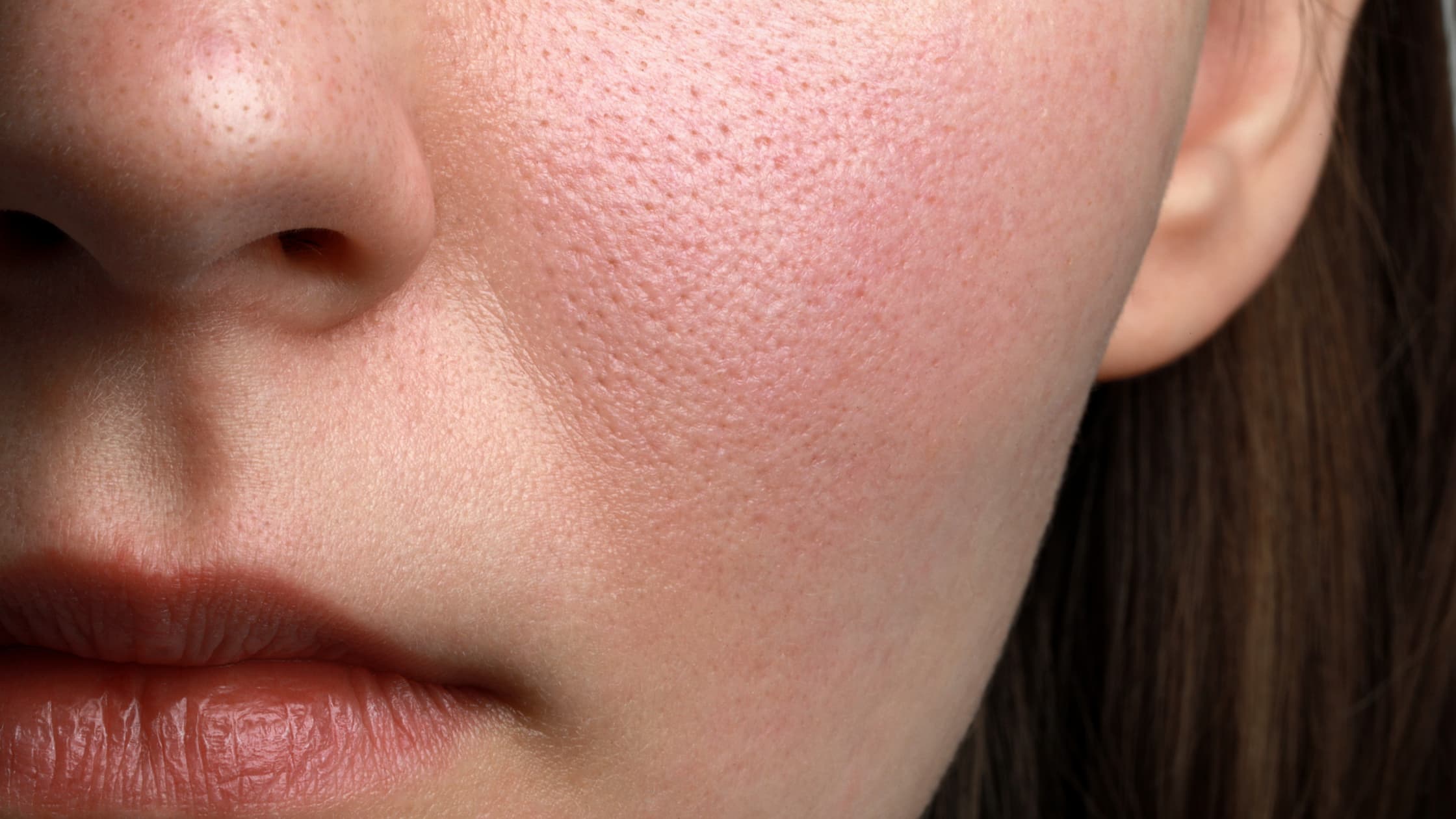
Woman's face

The health of our skin microbiota is often underestimated, but it plays a crucial role in our overall well-being. To maintain a balanced skin flora, it is important to give priority to certain foods and nutrients.

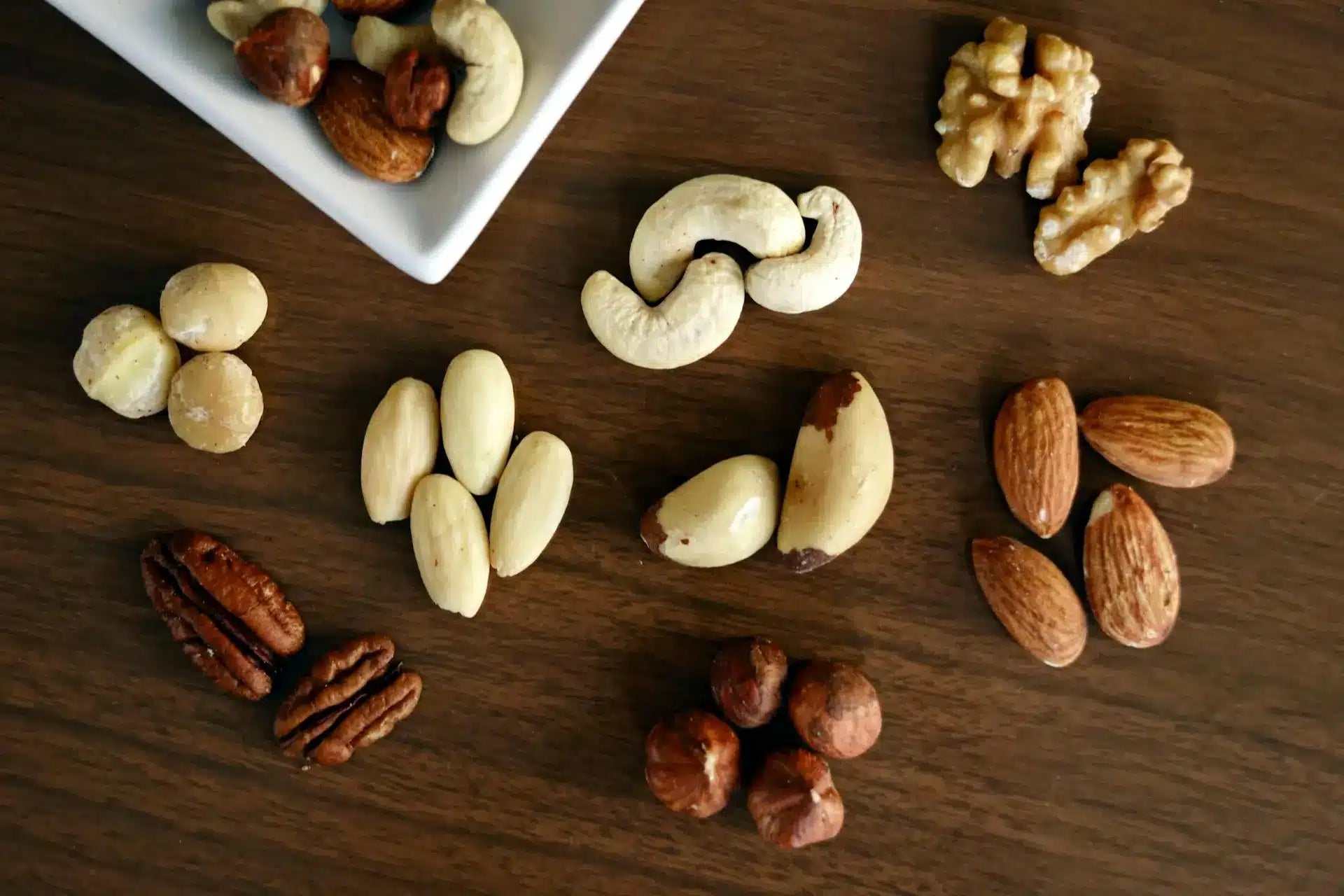
  • First of all, essential fatty acids are vital components of skin health. Oily fish such as salmon , mackerel and sardines are rich in omega-3 fatty acids, which are known for their ability to nourish the skin from the inside out. Walnuts , linseed and walnut oils are excellent plant sources of omega-3.
  • In addition, foods rich in antioxidants are beneficial for the health of the skin and skin microbiota. Colorful fruits and vegetables , such as berries , carrots , spinach and peppers , are loaded with antioxidants that help protect the skin from oxidative damage.
  • Probiotics are also valuable allies in maintaining healthy skin flora. Found in fermented foods such as plain yogurt , probiotics promote a balance of bacteria on the skin, helping to maintain a strong, healthy skin barrier.
  • Finally, let's not forget the importance of hydration . Drinking enough water is essential for maintaining well-hydrated skin, which promotes an environment conducive to balanced skin flora.

Food supplements for optimal support

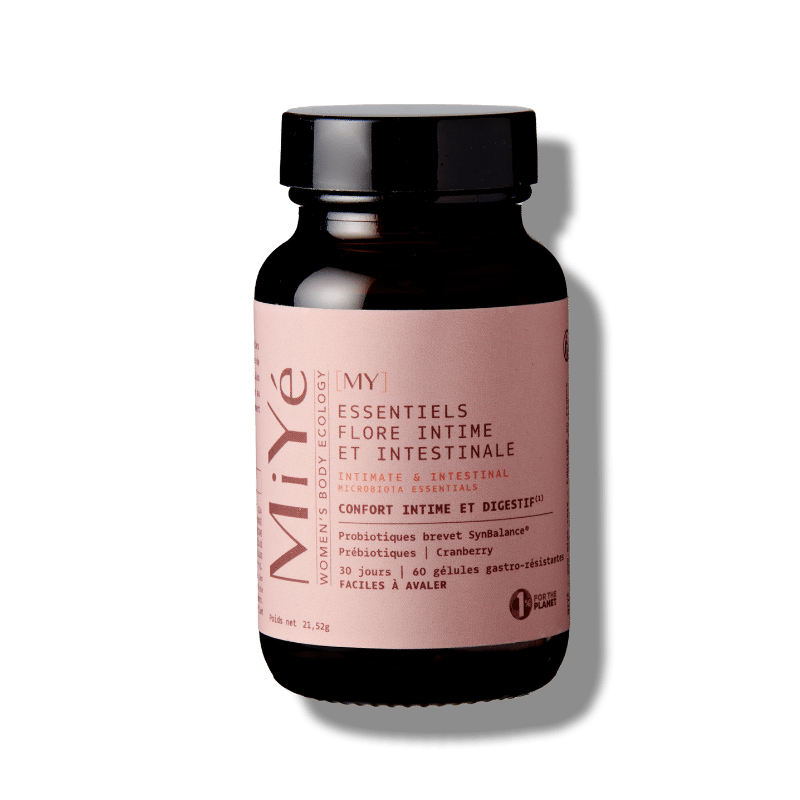
As a complement to a balanced diet , certain products can offer invaluable support. Discover our range of food supplements specially formulated to promote a good microbiota and healthy skin flora.


Essential intimate flora product

In conclusion, nourishing a good microbiota is essential for optimal health. Food choices play a fundamental role in the balance of intestinal and skin flora. By incorporating healthy foods and appropriate food supplements, you can promote a balanced microbiota and support your overall well-being.

Sources:

https://www.marieclaire.fr/aliments-bons-pour-le-microbiote,1448942.asp

https://solutions.pileje.fr/fr/conseil/alimentation-bon-microbiote
https://www.topsante.com/nutrition-et-recettes/les-bons-aliments/aliments-meilleurs-microbiote-639722#item=1

Leave a comment

Please note, comments need to be approved before they are published.

This site is protected by hCaptcha and the hCaptcha Privacy Policy and Terms of Service apply.

RELATED ARTICLES

Dérèglements hormonauxInconforts physiques liés aux hormones
ventre hormonal
  • 0 comments

Hormonal belly in women: understanding and taking action

The "hormonal belly" refers to an accumulation of deep abdominal fat, often linked to hormones in women. During menopause, the drop in estrogen facilitates the storage of visceral fat around the organs, and excess cortisol during periods of stress further exacerbates this phenomenon. This fat, being more inflammatory and metabolically active, can make localized weight loss particularly challenging.

Read more

Inconforts physiques liés aux hormones
ventre gonflé stress
  • 0 comments

Stress and bloating : the impacts on your well-being

Si vous ressentez cette sensation de ventre gonflé liée au stress, sachez que ce dernier est souvent à l’origine de ces ballonnements et de ces gaz intestinaux. En effet, le stress chronique, via la libération de cortisol, perturbe votre système digestif : il ralentit la motilité gastro-intestinale, déséquilibre votre microbiote intestinal et peut conduire à des constipations ou des douleurs abdominales.

Read more

Inconforts physiques liés aux hormones
ventre gonflé et dur
  • 0 comments

Bloated and hard stomach : understanding and relieving these digestive problems

A bloated and hard stomach is often caused by a buildup of gas in the digestive system. This can be linked to an unsuitable diet, the consumption of carbonated drinks, digestive upset, or stress. Using dietary supplements to support good digestion can help alleviate these symptoms. These factors lead to bloating and abdominal distension.

Read more

Dérèglements hormonauxPeau et cheveux
Comment hydrater la peau sèche à la ménopause naturellement ?
  • 0 comments

How to naturally hydrate dry skin during menopause ?

If you suffer from dry skin, know that it's a common phenomenon. This problem stems from an estrogen deficiency, which reduces the skin's natural hydration. This period also leads to a decrease in the production of collagen and hyaluronic acid, essential for elasticity and hydration.

Read more

Peau et cheveux
xérose sénile
  • 0 comments

How to treat senile xerosis and moisturize your skin ?

Senile xerosis refers to dry skin caused by aging. With age, the skin's natural moisture decreases, the hydrolipidic film deteriorates, and the skin barrier becomes less effective, leading to marked dryness. This xerosis manifests as rough, tight, and often uncomfortable skin, particularly on the limbs and face. It is important to understand the causes, symptoms, and appropriate care for this senile skin dryness in order to maintain the health and comfort of your skin.

Read more

xérose cutanée
  • 0 comments

Dry skin: causes, signs and effective solutions

Dry skin, also known as xerosis, is a common condition characterized by significant dehydration. When the hydrolipidic film is compromised, the skin loses water and essential lipids, leading to tightness, roughness, peeling, and itching. To maintain optimal skin hydration, it is essential to adopt a comprehensive routine combining external skincare (such as moisturizers, natural oils, or anti-xerosis treatments) with internal hydration supported by proper skin nutrition.

Read more

Dérèglements hormonaux
Œstrogène et Alimentation : Comment les aliments peuvent équilibrer vos hormones ?
  • 0 comments

Estrogen and Diet: How can food balance your hormones ?

Estrogens are essential hormones for women's health. They play an important role in the menstrual cycle , fertility, and overall well-being. These hormones influence not only physical health, by regulating bone and cardiovascular health, but also mental health, by modulating neurotransmitters such as serotonin and dopamine , which directly impact mood and pleasure.

Diet is a key element in maintaining optimal hormonal balance. Certain foods, rich in phytoestrogens , can help to naturally regulate estrogen levels, particularly during periods of hormonal fluctuations such as the menstrual cycle or menopause.

In cases of hot flashes or menstrual irregularities, adopting a suitable diet can offer a natural solution to alleviate these symptoms. Phytoestrogens , found in foods such as soy and flax seeds , work by mimicking the effects of natural estrogen. They thus help reduce hormonal imbalances and improve quality of life.

Read more

Dérèglements hormonauxInconforts physiques liés aux hormones
Comment gérer l'hyperoestrogénie et rééquilibrer vos hormones ?
  • 0 comments

How to manage hyperestrogenism and rebalance your hormones?

Hyperestrogenism , an often overlooked hormonal imbalance, can have significant impacts on women's health and well-being. It is characterized by an excess of estrogen relative to progesterone , disrupting the natural hormonal balance.

This imbalance can be caused by several factors, such as exposure to endocrine disruptors , poor lifestyle, or certain medical conditions such as endometriosis or polycystic ovary syndrome (PCOS) . As a result, the menstrual cycle can be disrupted, causing symptoms such as heavy and painful periods, water retention , or premenstrual disorders.

Read more

Équilibre émotionnel
ashwagandha ksm66

Read more

Conseils lifestyle et nutrition
Quel rôle joue le magnésium dans le métabolisme et la prise de poids ?
  • 0 comments

What role does magnesium play in metabolism and weight gain ?

Magnesium is an essential mineral that plays a key role in energy metabolism and weight management. By facilitating the conversion of carbohydrates and fats into energy, it not only helps boost your metabolism , but also supports healthy and sustainable weight loss.

A magnesium deficiency can slow down this process, cause fatigue, increase stress and thus promote weight gain. By regulating the feeling of satiety and limiting the desire to snack, magnesium also acts on eating behaviors , which makes it a valuable ally for those who wish to lose weight or maintain their weight.

Therefore, understanding the role of magnesium in metabolism and weight loss is fundamental to optimizing your health and slimness.

Read more