
































Trustpilot
Search

What are the foods we need to promote a healthy microbiota?

Written by Anna Oualid

Published on
Updated on
alimentation microbiote
SUMMARY
  1. First of all, it is essential to understand what microbiota is
  2. Healthy foods for a good microbiota
  3. Promote healthy skin flora
  4. Food supplements for optimal support
  5. Sources:

Discover your hormonal profile in just a few clicks!

TAKE THE TEST

First of all, it is essential to understand what microbiota is

To understand the importance of the microbiota, let's start by defining what this fascinating ecosystem is. Our digestive tract is home to a veritable community of micro-organisms – as many as there are cells in our body.

This incredible diversity, essential to our health, is what we call our intestinal microbiota.

What's more, it's crucial to note that its balance plays a major role in our overall well-being. However, imbalances can occur, impacting our health in different ways. This is why understanding how to promote a healthy microbiota is at the heart of today's concerns for optimal health.

To promote a healthy microbiota, it is essential to understand the key elements that contribute to maintaining a healthy intestinal and skin flora . Food plays a fundamental role in this delicate balance. In this article, discover the food choices you should make to support the health of your microbiota, as well as food supplements to optimize these benefits.

Healthy foods for a good microbiota


Image for blog post

First of all, it's important to focus on the healthy foods that form the basis of a good microbiota.

  • High-fiber vegetables such as spinach , artichokes and broccoli are essential allies. These dietary fibers act as a feast for the good bacteria present in our intestines, encouraging them to proliferate and carry out their beneficial activity.
  • Similarly, fruits such as berries and apples provide essential nutrients, such as antioxidants and vitamins, which support a balanced intestinal flora. Antioxidants, in particular, help to reduce inflammation and protect our gut cells, creating a favorable environment for the growth of good bacteria.
  • What's more, wholegrain cereals , which are rich in prebiotics, nourish the good bacteria in our intestines. Prebiotics are non-digestible compounds that serve as a food source for probiotics, the beneficial micro-organisms that support intestinal health. Wholegrain cereals , such as brown rice and oats , are wise choices for incorporating these essential elements into our diet.

Promote healthy skin flora


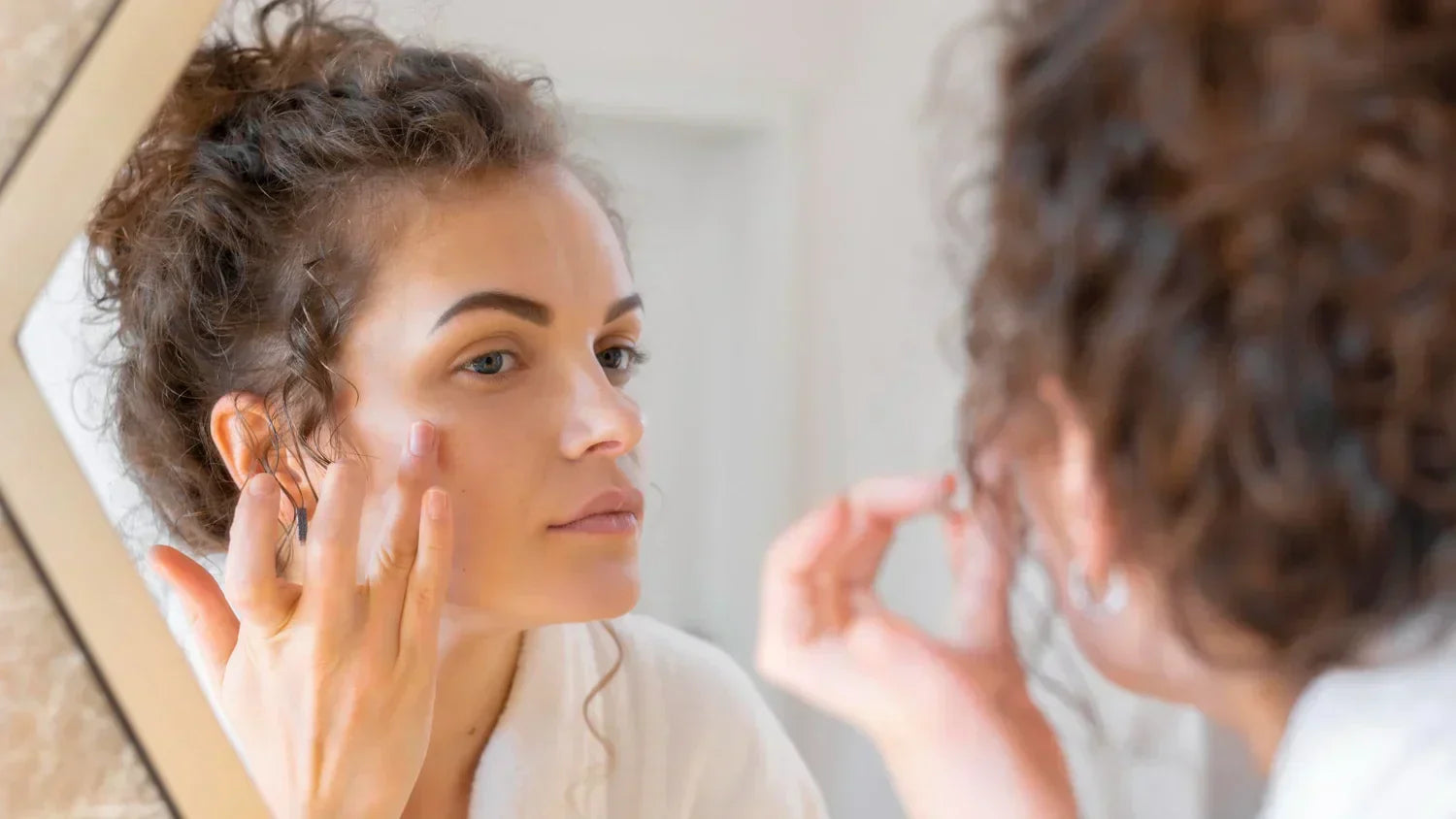
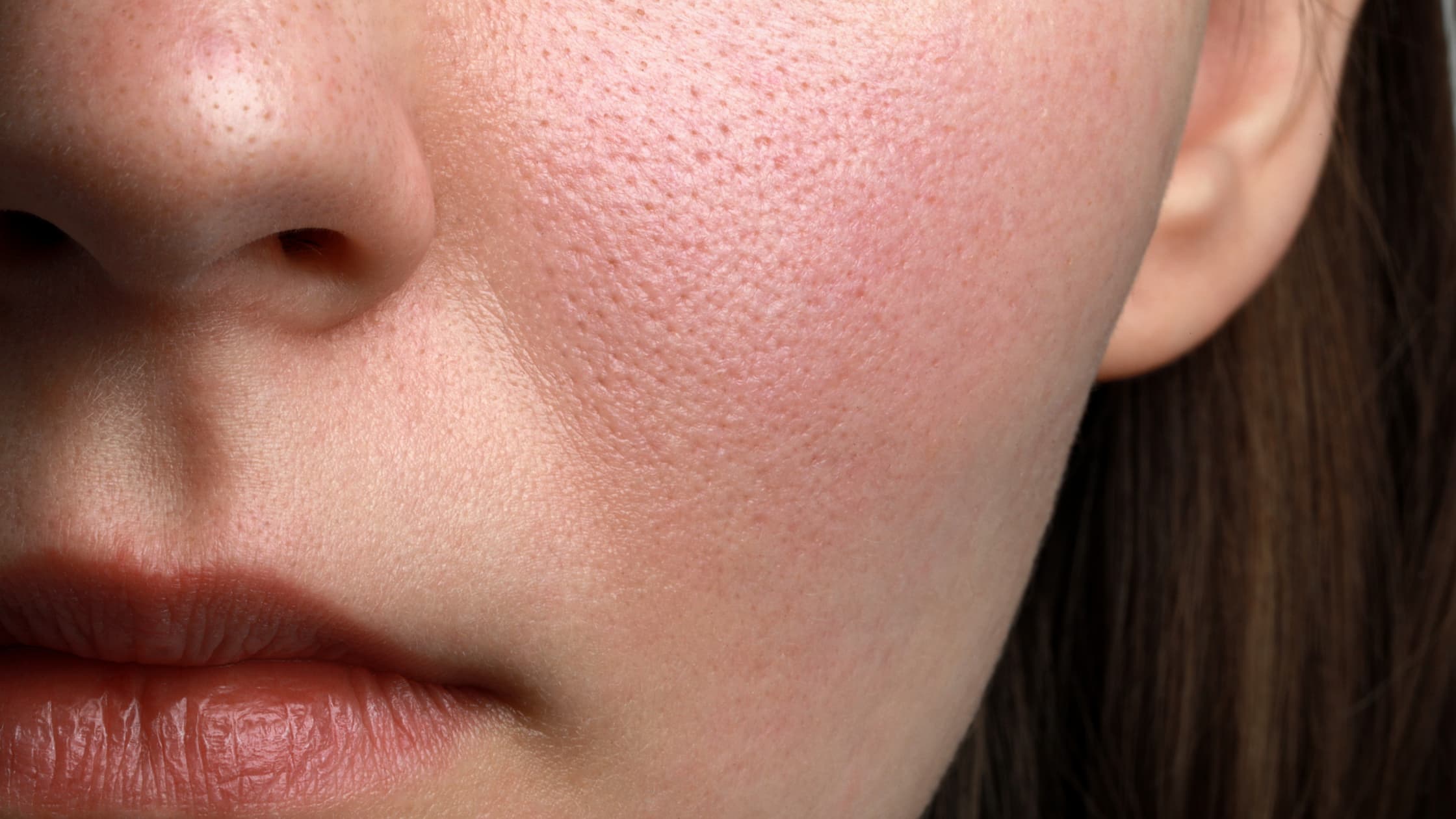
Woman's face

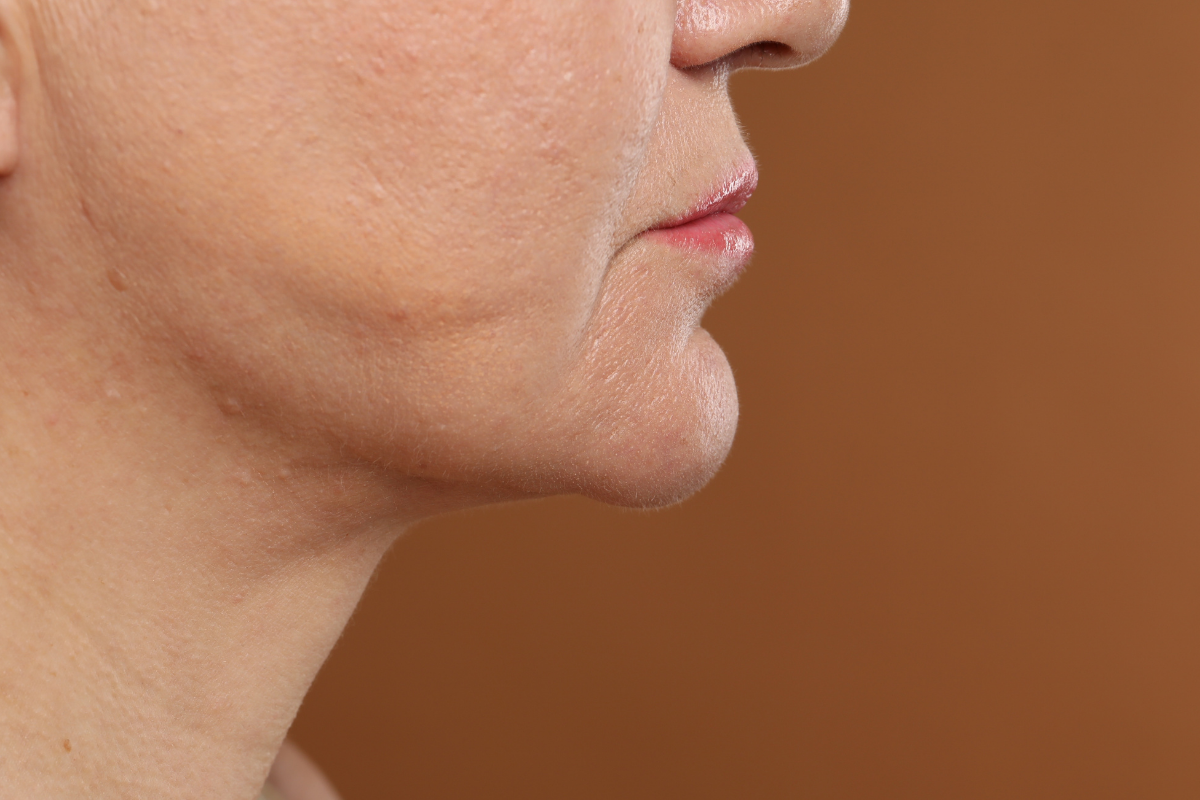
The health of our skin microbiota is often underestimated, but it plays a crucial role in our overall well-being. To maintain a balanced skin flora, it is important to give priority to certain foods and nutrients.

  • First of all, essential fatty acids are vital components of skin health. Oily fish such as salmon , mackerel and sardines are rich in omega-3 fatty acids, which are known for their ability to nourish the skin from the inside out. Walnuts , linseed and walnut oils are excellent plant sources of omega-3.
  • In addition, foods rich in antioxidants are beneficial for the health of the skin and skin microbiota. Colorful fruits and vegetables , such as berries , carrots , spinach and peppers , are loaded with antioxidants that help protect the skin from oxidative damage.
  • Probiotics are also valuable allies in maintaining healthy skin flora. Found in fermented foods such as plain yogurt , probiotics promote a balance of bacteria on the skin, helping to maintain a strong, healthy skin barrier.
  • Finally, let's not forget the importance of hydration . Drinking enough water is essential for maintaining well-hydrated skin, which promotes an environment conducive to balanced skin flora.

Food supplements for optimal support

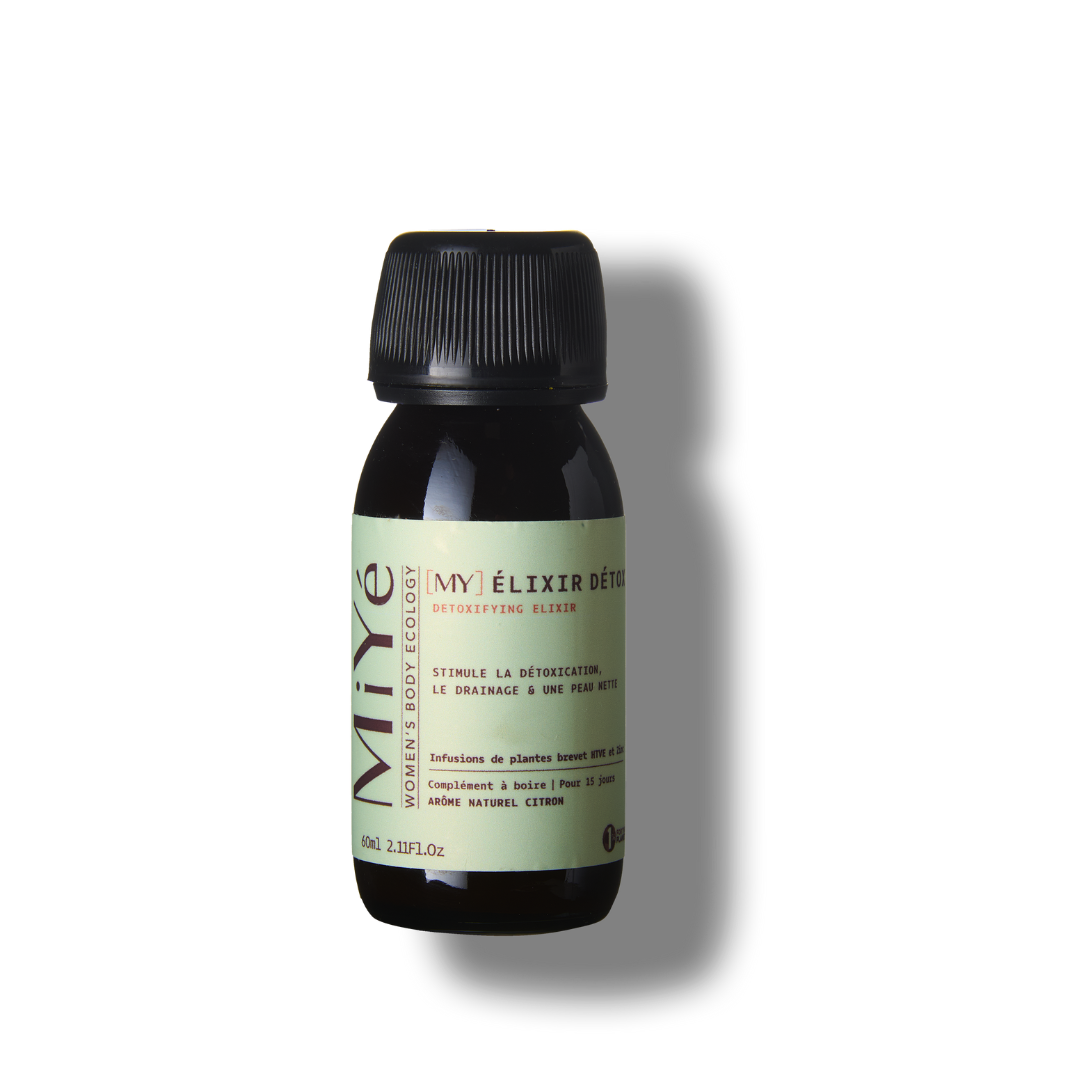
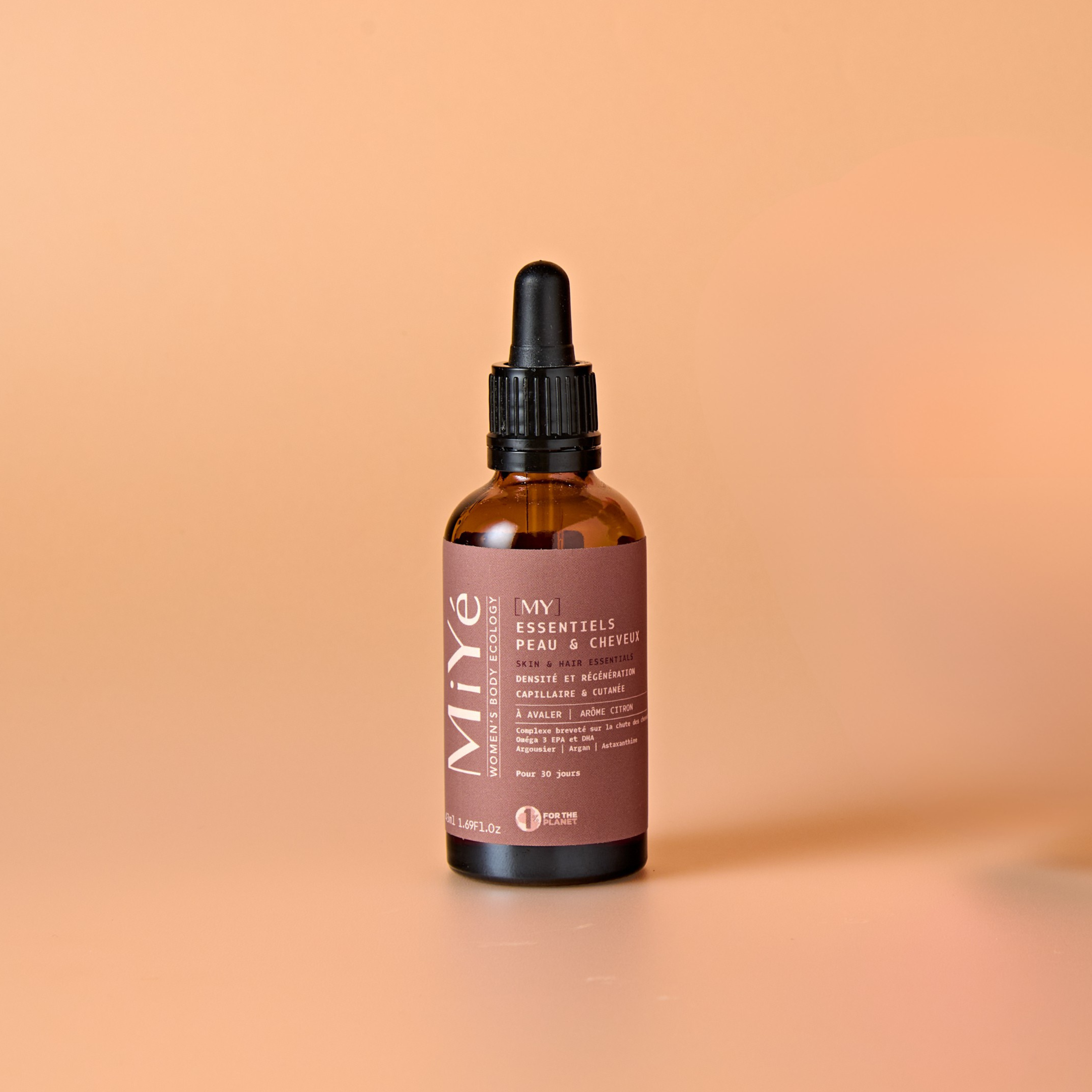
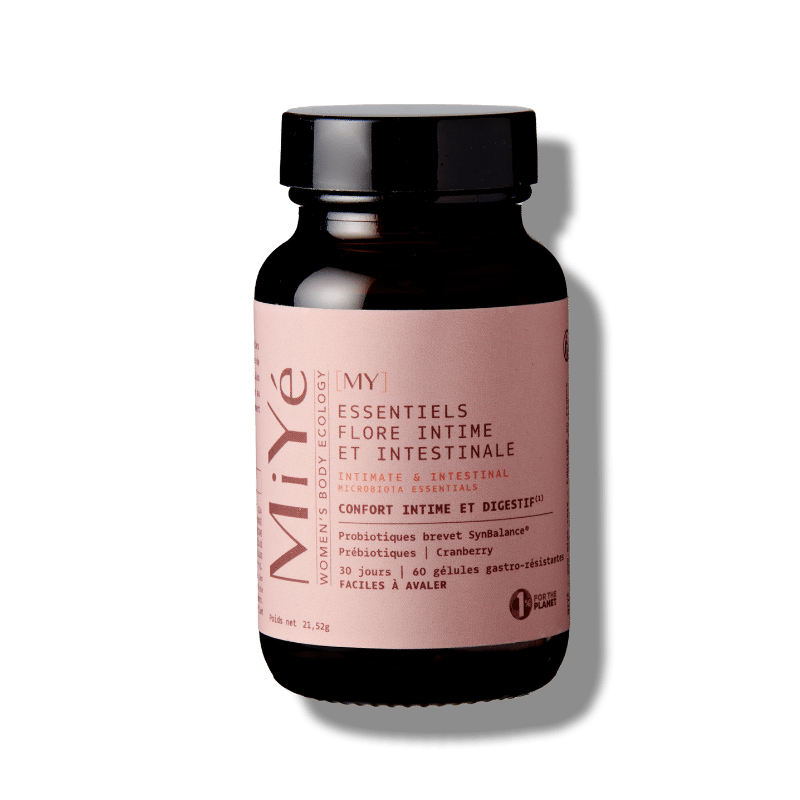
As a complement to a balanced diet , certain products can offer invaluable support. Discover our range of food supplements specially formulated to promote a good microbiota and healthy skin flora.


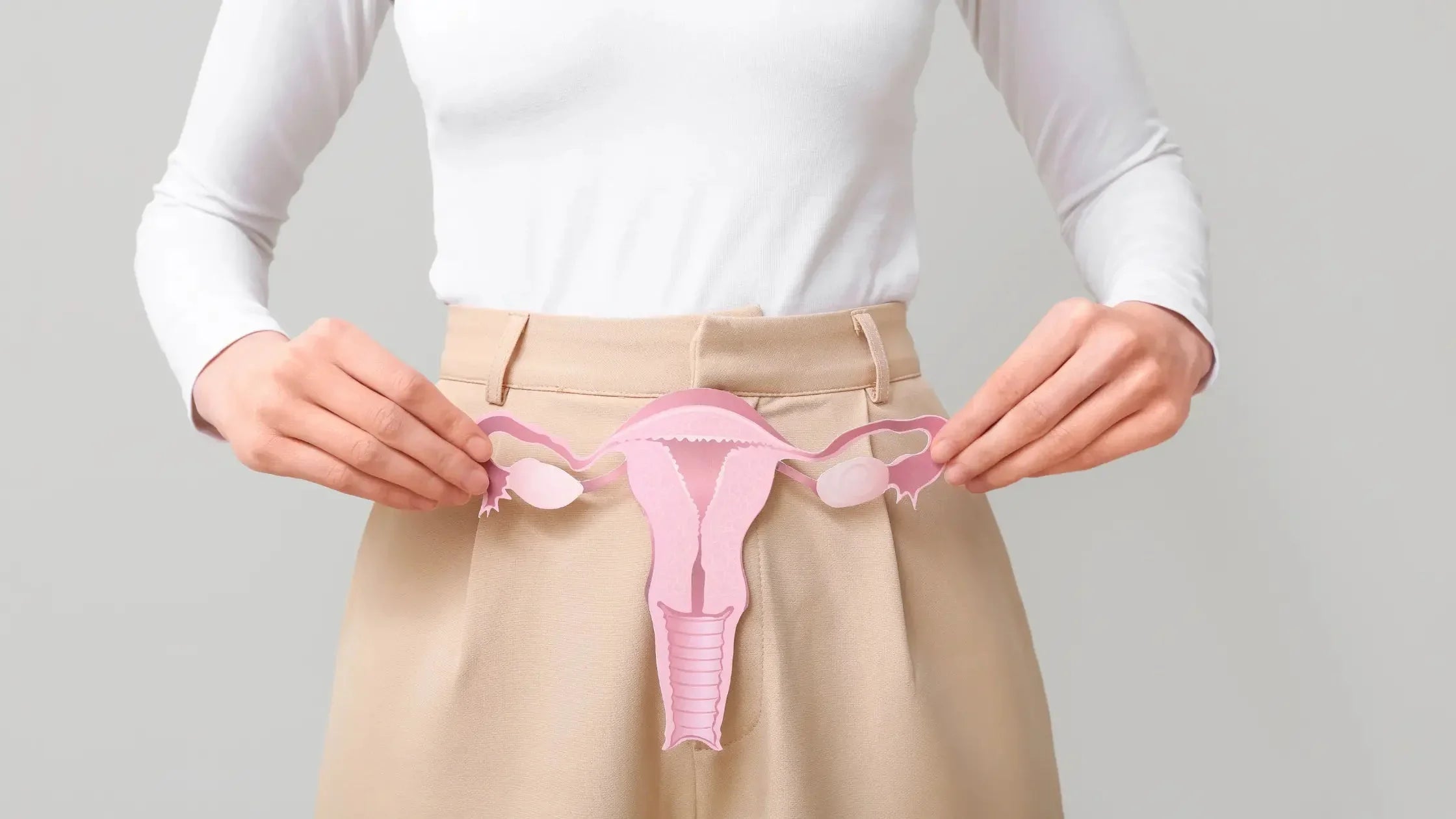
Essential intimate flora product

In conclusion, nourishing a good microbiota is essential for optimal health. Food choices play a fundamental role in the balance of intestinal and skin flora. By incorporating healthy foods and appropriate food supplements, you can promote a balanced microbiota and support your overall well-being.

Sources:

https://www.marieclaire.fr/aliments-bons-pour-le-microbiote,1448942.asp

https://solutions.pileje.fr/fr/conseil/alimentation-bon-microbiote
https://www.topsante.com/nutrition-et-recettes/les-bons-aliments/aliments-meilleurs-microbiote-639722#item=1

RELATED ARTICLES

Conseils lifestyle et nutrition
alimentation microbiote
  • 0 comments

What are the foods we need to promote a healthy microbiota?

First of all, it is essential to understand what microbiota is To understand the importance of the microbiota, let's start by defining what this fascinating ecosystem is. Our digestive tract is home to a veritable community of micro-organisms – as...

Read more

Dérèglements hormonaux
Comment arrêter la pilule ? Le guide complet pour une transition hormonale en douceur

Read more

Dérèglements hormonauxinconforts physiques liées aux hormones
Migraine cataméniale : comprendre et soulager les maux de tête liés aux règles
  • 0 comments

Menstrual migraine: understanding and relieving headaches related to menstruation

Catamenial migraine, sometimes called menstrual or hormonal migraine, affects nearly 60% of women who suffer from migraines, according to the International Headache Society (IHS). It generally occurs between 2 days before and 3 days after the start of menstruation, when the rapid drop in estrogen increases the sensitivity of blood vessels and nerve pathways for pain.

Read more

Une femme s'étirant, illustrant la prise de complément alimentaires pour accroître l'énergie
  • 0 comments

Energy supplements: the guide to choosing according to your hormonal profile

You wake up tired despite a full night's sleep. You feel a persistent lack of energy, regardless of the season. And yet, your test results come back "normal". This situation is far from uncommon: chronic fatigue in women is often multifactorial, and its link to hormones is still largely underestimated. This guide helps you understand the mechanisms that silently deplete your vitality, identify the natural actives that genuinely help, and choose the energy supplement best suited to your profile.

Read more

inconforts physiques liées aux hormonesjambes lourdes
jambes lourdes et chaleur
  • 0 comments

Heavy legs and heat: the hidden role of hormones and natural remedies

The effect of heat: to regulate its internal temperature, the body dilates blood vessels (vasodilation). This relaxation of the vein walls slows down blood return to the heart, causing pooling, swelling, and a heavy sensation in the lower limbs.

The influence of hormones: fluctuations in estrogen levels increase vascular permeability and promote water retention, making women more prone to heavy legs.

Natural remedies: physical activity, a balanced diet, dry brushing, and the use of botanical extracts offer a holistic approach to soothe inflammation and restore a feeling of lightness.

Read more

Les ingrédients et bioactifs naturels
Phytothérapie et ménopause : les plantes vraiment efficaces pour t'accompagner
  • 0 comments

Herbal medicine and menopause: the truly effective plants to support you

To address the symptoms of menopause, herbal medicine offers natural support based on plant extracts. As a dietary supplement for menopause, its aim is to gradually support hormonal balance and overall comfort, not to replace medical treatment, but to complement it in a scientifically documented manner.

Read more

Dérèglements hormonaux
comment savoir si on est ménopausée
  • 0 comments

How do you know if you're menopausal ? Symptoms, age, and tests to find out for sure

Menopause is officially confirmed after 12 consecutive months without a period, in the absence of any other cause (pregnancy, birth control pills, medical condition). If there is any doubt, particularly before age 45 or while using contraception, a blood test measuring FSH and estradiol levels can confirm the diagnosis. Several warning signs (hot flashes, irregular cycles, sleep disturbances) can be present well before this definitive cessation of menopause.

Read more

Dérèglements hormonaux
comment perdre du poids à la ménopause
  • 0 comments

Menopause and weight gain : why our body changes and how to regain balance

Menopause and weight gain are often associated as two simultaneous events. In reality, the first pounds usually appear during perimenopause, this transitional period that begins as early as 42-45 years of age, several years before menstruation ceases permanently. Even at this stage, hormonal fluctuations are already significant: cycles become irregular, estrogen levels vary erratically before gradually declining. These variations are enough to trigger a redistribution of body fat and a noticeable metabolic slowdown.

Read more

Digestion
postbiotique
  • 0 comments

Postbiotics : Everything you need to know about these compounds that are beneficial for your health

Postbiotics are molecules and fragments resulting from the activity of probiotics. Although inanimate, they exert measurable beneficial effects on the host's health. Unlike probiotics, which are live microorganisms consumed to rebalance the gut flora, postbiotics refer to preparations of inactivated bacteria or metabolites (short-chain fatty acids, peptides, polysaccharides, etc.). They interact directly with the microbiota, the intestinal mucosa, and the immune system, and, via the gut-brain pathway, influence overall well-being. Recognized by the International Scientific Association for Probiotics and Prebiotics (ISAPP), they represent an emerging and complementary approach to digestive health.

Read more

Dérèglements hormonaux
4 types de sopk
  • 0 comments

The 4 types of PCOS: how to identify yours to live better with it

Accurately identifying your PCOS subtype allows treatment to be tailored to the underlying causes: insulin resistance, adrenal hyperandrogenism, low-grade inflammation, or simply the post-pill transition. This targeted approach not only improves cycle regularity and fertility but also helps prevent metabolic and cardiovascular complications.

Read more