




















A FREE product of your choice from 80€ of purchase
Search

How to maintain your hormonal balance in 5 points ?

Written by Caroline Lanson

Published on
Updated on
femme
femme
SUMMARY
  1. Read more
  2. Effective solutions

Discover your hormonal profile in just a few clicks!

TAKE THE TEST

Read more

For both men and women, maintaining hormonal balance is essential for good health. Hormones play a role in many different bodily functions, including mood, metabolism, reproduction, and more. When your hormones are out of balance, it can lead to a range of problems, including weight gain, fatigue, anxiety, and even chronic depression.

Fortunately, there are a number of things you can do to keep your hormones in check and maintain your hormonal balance naturally!

Hormonal depression

Effective solutions

Get enough sleep:

Sleep plays a crucial role in hormonal balance. When you don't get enough sleep, it disrupts your body's natural circadian rhythms and can lead to an increase in the stress hormone cortisol. To maintain your hormonal balance, try to get 7–8 hours of sleep each night. To stimulate the secretion of melatonin, the sleep hormone, it is also strongly recommended not to dine late (before 8pm) and to avoid blue light from screens at least 3 hours before bedtime.

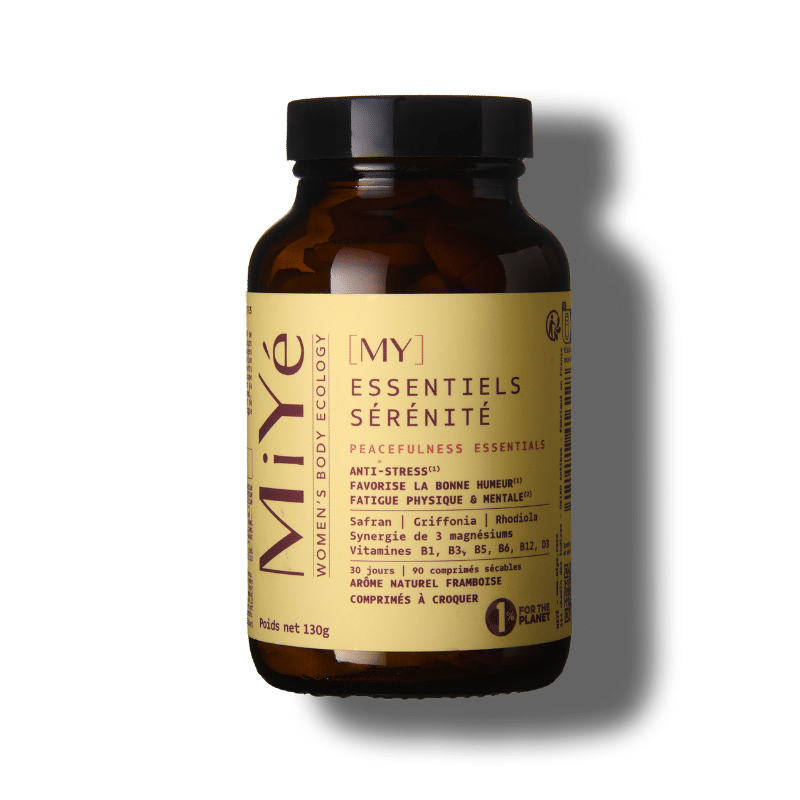
If you have trouble falling or staying asleep, there are a number of natural products you can try, including magnesium supplements such as Serenity Essentials. This product has been specially developed to promote better sleep and, in addition, better physical and mental energy.

Reduce stress:

As mentioned above, high levels of stress can lead to widespread hormonal disruption, with cortisol being a hormone that can be degraded from progesterone. To reduce stress and keep your hormones in check, make sure you take some time for yourself each day to relax and de-stress. Whether it's taking a yoga class, reading your favorite book or taking a long walk outdoors, find what works for you and make it a priority in your life. 30 minutes of brisk walking a day and/or 20 minutes of meditation can help you regulate stress very effectively. Adaptogenic herbs such as ashwagandha have also been shown to have benefits in modulating cortisol.

Eat a healthy diet:

What you eat has a direct impact on your hormone levels. To maintain your hormone balance naturally, it is important to eat a diet rich in whole foods such as fruit and vegetables, while avoiding processed foods as much as possible. In addition, be sure to include plenty of protein-rich foods and healthy fats such as avocados and olive oil in your diet. Discover healthy recipes in our booklet of healthy recipes for a better hormonal balance.

Exercise regularly:

Exercise is not only great for your physical health; it also does wonders for your mental health and can help keep your hormone levels in balance. When you exercise, you release endorphins which have a beneficial effect on mood and help to reduce stress levels. In addition, regular exercise can help regulate insulin levels and improve sleep quality, both of which are important for maintaining hormonal balance.

Avoid toxins and endocrine disruptors:

Environmental toxins can disrupt hormonal balance by mimicking or interfering with the action of hormones in the body. To protect yourself from these harmful toxins, avoid using synthetic chemicals as much as possible and make sure you choose organic fruits and vegetables whenever possible. Also make sure you drink filtered water to avoid drinking contaminants that could disrupt your hormone levels.

Hormonal imbalances can wreak havoc on our physical and mental health, but fortunately there are things we can do to prevent them from happening in the first place!

By following the tips outlined above – getting enough sleep, reducing stressors, eating a healthy diet, exercising regularly and avoiding environmental toxins – you can help balance your hormones and enjoy better health! You can also find our range of natural products developed with natural health experts to help you become your hormones' best friend and keep your hormones in balance.

endometriosis

You can find on our page the advice and opinions of our experts ! Consult our experts

Leave a comment

Please note, comments need to be approved before they are published.

This site is protected by hCaptcha and the hCaptcha Privacy Policy and Terms of Service apply.

RELATED ARTICLES

Dérèglements hormonaux
4 types de sopk
  • 0 comments

The 4 types of PCOS: how to identify yours to better treat it

Accurately identifying your PCOS subtype allows treatment to be tailored to the underlying causes: insulin resistance, adrenal hyperandrogenism, low-grade inflammation, or simply the post-pill transition. This targeted approach not only improves cycle regularity and fertility but also helps prevent metabolic and cardiovascular complications.

Read more

Dérèglements hormonauxRègles
couleur des regles signification
  • 0 comments

What do the different colors of your period mean ? Understanding your flow

The color of menstrual blood naturally changes throughout the cycle, primarily due to the amount of time the blood is exposed to oxygen and the rate at which it is expelled from the uterus. At the beginning of the flow, the blood is often bright red: it is fresh, oxygenated, and flows quickly. Later, as the flow slows, the blood remains longer in the uterus or vagina, oxidizes, and turns darker shades, such as burgundy or dark brown. Observing the color of your period helps you learn to interpret your body's signals and distinguish between what is normal and what might require medical attention.

Read more

Dérèglements hormonauxInconforts physiques liés aux hormones
Fatigue avant et pendant les règles : pourquoi votre corps s'épuise chaque mois (et comment y remédier naturellement)
  • 0 comments

Fatigue before and during menstruation: why your body gets exhausted every month (and how to remedy it naturally)

Key takeaways Fatigue during periods is hormonal: the sudden drop in estrogen and progesterone at the end of the cycle reduces energy (up to -30%) and affects around 75% of women. The cycle directly influences your energy: there is a...

Read more

Dérèglements hormonauxInconforts physiques liés aux hormones
Pourquoi mes règles empirent-elles ? Causes et solutions naturelles
  • 0 comments

Why are my periods getting worse ? Causes and natural solutions

Key takeaways Increasing inflammation : over time, the body produces more prostaglandins → stronger uterine contractions + lack of oxygen → more intense pain. Hormonal imbalance : excess estrogen vs progesterone makes the uterus more sensitive and amplifies pain (up...

Read more

Dérèglements hormonauxInconforts physiques liés aux hormones
Ménopause et brouillard mental : Qu'est-ce que le brain fog ?
  • 0 comments

Menopause and brain fog: What is brain fog ?

Menopausal brain fog, also known as mental fog, refers to the feeling of a cluttered mind, characterized by forgetfulness, difficulty concentrating, and slowed thinking. You are not alone: many women experience these symptoms during the transition to menopause, often due to the drop in estrogen levels.

Read more

Dérèglements hormonauxInconforts physiques liés aux hormones
Quelles sont les meilleures postures pour soulager la douleur pendant les règles ?
  • 0 comments

What are the best positions to relieve menstrual pain ?

When your period arrives, a few simple postures can really help reduce pain. By lying down, relaxing your abdominal muscles, and promoting blood circulation in your pelvis, you can effectively alleviate cramps and contractions. These exercises, often inspired by yoga or gentle movements, offer natural relief: whether you're in the fetal position on your side, sitting upright in a chair, or in child's pose (Balasana), they can help you without necessarily resorting to medication.

Read more

DigestionInconforts physiques liés aux hormones
Adénomyose et ventre gonflé : comprendre ce symptôme pour mieux le vivre au quotidien
  • 0 comments

Adenomyosis and bloating: understanding this symptom to better manage it on a daily basis

Key takeaways Adenomyosis is a uterine condition in which endometrial cells infiltrate the uterine muscle, causing inflammation, pain, and thickening of the uterus. It can lead to a “hormonal” bloated belly, linked to inflammation, water retention, and an increase in...

Read more

Bouffée de chaleur sans ménopause : comprendre les causes et soulager naturellement
  • 0 comments

Bouffée de chaleur sans ménopause : comprendre les causes et soulager naturellement

Hot flashes are not limited to menopause: they can appear at any age, often linked to hormonal fluctuations, stress, or certain medical conditions. Several factors can trigger them, such as premenstrual syndrome, postpartum, thyroid disorders, certain medications, or everyday factors...

Read more

Dérèglements hormonaux
Reconnaître les premiers signes de la ménopause et apprendre à mieux vivre avec
  • 0 comments

Recognizing the early signs of menopause and learning to live better with them

Perimenopause often begins with irregular cycles (more spaced-out, heavier or shorter periods), a sign of a gradual decline in estrogen. Menopause is defined after 12 months without a period, when the ovaries stop releasing eggs and produce fewer hormones. The...

Read more

Digestion
Comment soulager vos ballonements naturellement et efficacement ?
  • 0 comments

How to relieve your bloating naturally and effectively ?

How can you naturally and effectively relieve your bloating? For fast relief, put one drop of peppermint essential oil in a teaspoon of vegetable oil, then gently massage your belly in circular motions, clockwise. You will feel gas being released,...

Read more