



















My acupuncture session
The morning of my first appointment with Laetitia was heavy and gray and my mood the same...
However, very quickly, Laetitia's communicative energy and immediate kindness will erase all of this.
The preparation
Laetitia begins to explain to me the basics of acupuncture (of which she is a practitioner and teacher) while "taking the pulse" in different parts of the body. More precisely, she exerts light pressure on my skin in different places which constitute large "meridians" of energy in order to take 3 levels of pulse per organ : 3 levels of "pressure" during palpation which require a lot of tact and which allow us to evaluate the state of our different organs and in particular of Qi, Yin and Blood, which are the bases of traditional Chinese medicine.
She explains to me that certain organs have very strong links between them in oriental medicine (like the kidney and the bladder) and that she always begins with a fairly broad treatment of several organs to adjust according to the patient's feelings.
Then she inspects my tongue and concludes that my digestive system (stomach, intestines) is working a little slow (which is true, especially as my period approaches). And, by taking the pulse along my legs, tells me that my body is preparing for the arrival of my period in the next 2 days, which was completely true!
Finally, she prepares me by explaining that the levels of "feeling" can be very different depending on the person: from a very slight tingling to a sensation of a small electric shock that radiates, or even "sweating profusely"...
However, it should not be painful throughout the session; there should be fleeting sensations, this is normal, but there should be no persistent pain.
The session
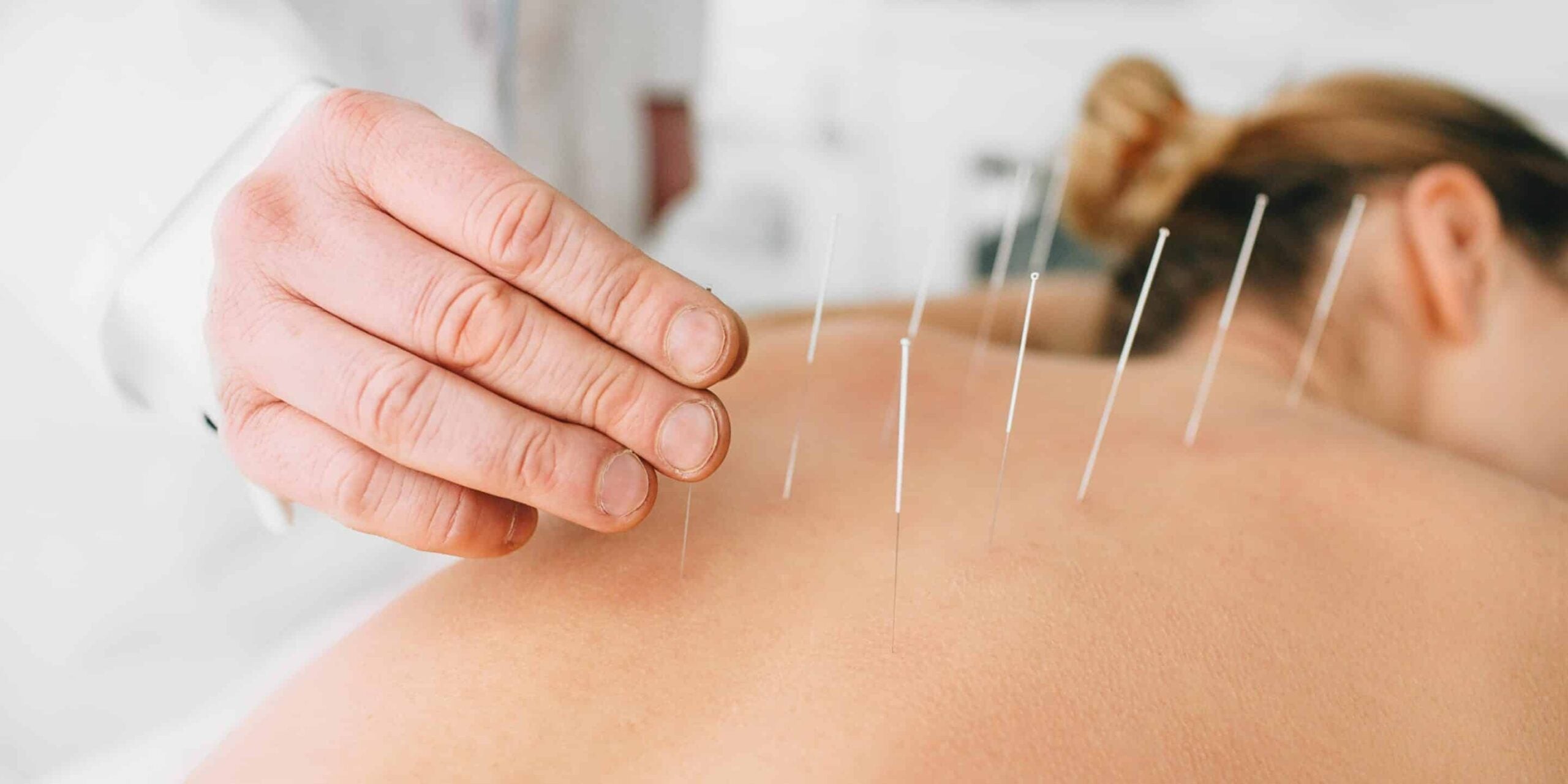
She chooses a first location to make me express my feelings on a first needle:
1. Very weak feeling: slight tingling
2. Feeling stronger: small fleeting pain (The slightest pain must be reported immediately)
3. More intense feeling: irradiation around the point or sensation of radiation in a place other than the location of the needle
SO ?
The body reacts, that's for sure. For my part, some needles will barely be felt while others will surprise me with their intensity: small electric shock and heat radiation felt throughout the body with a sensation of "pins and needles" as a result!
All this remains very bearable and very fleeting (the sensation should not last) but quite surprising: seeing the body react with such intensity to very small stimulations (I remind you here that the needles are extremely fine)
Once the needles are in place, they must be left in place for between 10 and 30 minutes (to be adapted according to the age, feelings but also the general condition of the person: this is where the experience and feelings of the therapist will make all the difference)
What results?
From the first session, a better general well-being is felt.
But beyond the feeling, certain pathologies and/or chronic pain require treatments 2 to 3 times per week at regular intervals to allow the body to return to its state of balance.
Slight imbalances can be rebalanced in 2 to 3 sessions, sometimes a single session is enough: Laetitia then tells me the anecdote of a patient who had not managed to raise his shoulder in a certain way for more than 5 years and who succeeded, full of astonishment, just after the 1st session!
But, as always in alternative medicine, there is no rule:
“The tighter the string, the further the arrow goes,” she also tells me.
And the earlier (upstream) imbalances are addressed, the more the body has the capacity to return to its state of balance , before chronic pain or pathology "sets in".
She also explains to me that depending on the type of profile (yin or yang), we draw more or less on our reserves and the imbalances are not the same.
A "yang" person (like me) will tend to exhaust themselves and draw on their reserves, so it will be necessary to rebalance the parasympathetic system regularly.
Afterwards, what I really like about Laetitia's approach is that she is very human, realistic and pragmatic: "Life must be lived to the fullest, with its imbalances too, and not try to change one's nature or be too perfect to prolong life."
The goal is rather to find the right balance that allows us to enjoy ourselves without drawing too much on our reserves, so ultimately, to learn to know how we function well to give the body a little boost when the need arises.
Her approach is all the more interesting as she has been trained in multiple disciplines: nutrition, acupuncture, foot reflexology, hypnosis, etc.
His experience gives him a lot of perspective on the best way to deal with a particular person's profile.
And then there are people with whom there is a beautiful exchange of energy.
The aftermath
Laetitia told me: you may have numb arms, some tingling and/or diffuse pins and needles, slight diffuse sensations at the targeted points, but never pain.
At the time, and after this wonderful exchange, I felt a real surge of energy and enthusiasm .
But, 2 hours later, an intense desire for a nap , quickly thwarted by my children returning from school.
Subtly but undeniably, something is happening: my mind is less foggy, clearer, and my body is tired, a little heavy and even numb, but also much more serene.
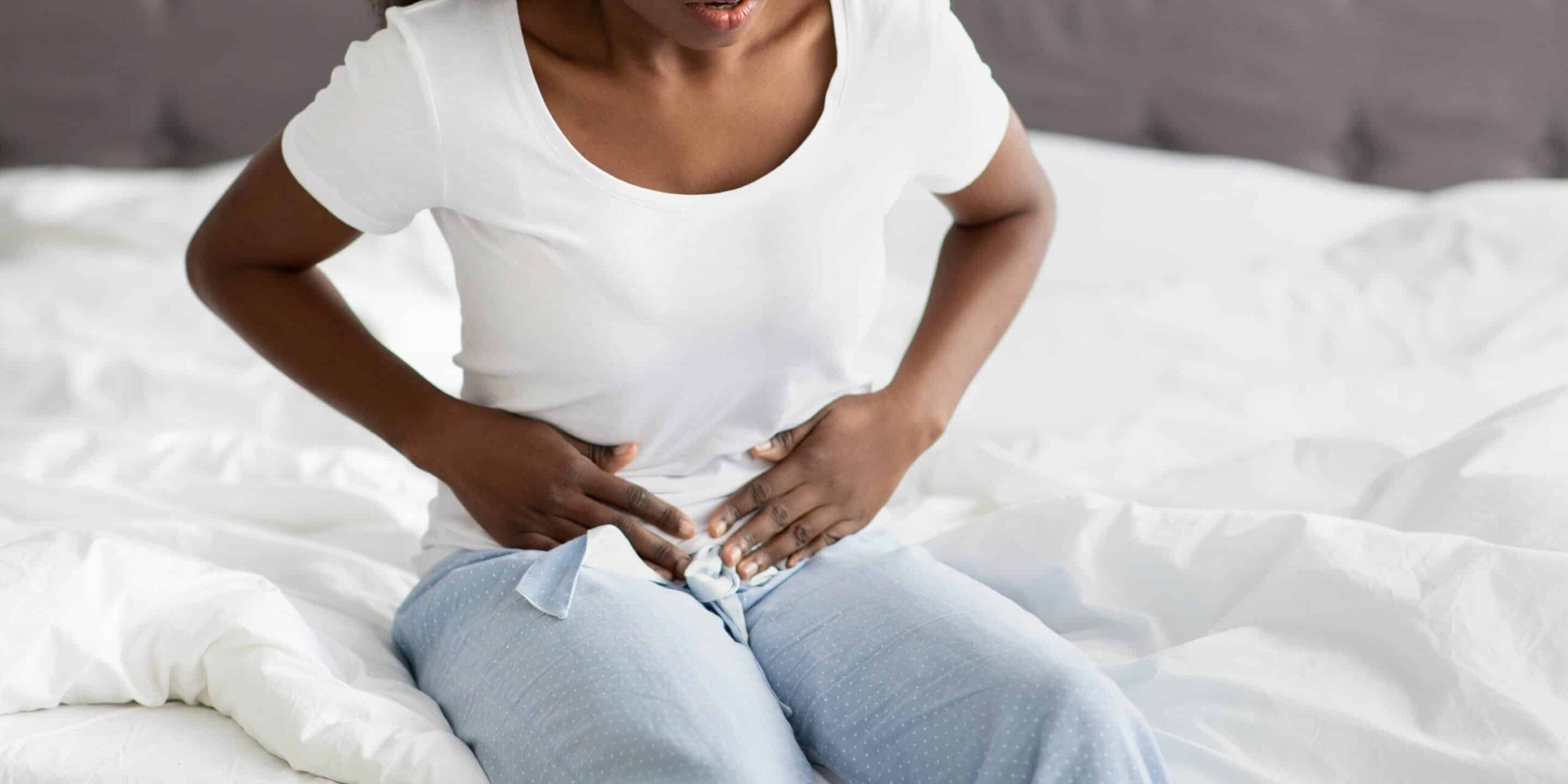
And last but not least, my premenstrual syndrome and the arrival of my period passed like a letter in the post and my kidney pain, diffuse and recurring before my period, has subsided.
My transit, which is usually slow before my period, is returning to normal and I also feel less "bloated" than usual.
I literally felt like my body was being signaled to enter the recovery phase: very quickly, I felt less tired, but also less agitated and scattered, and I fell asleep earlier with much better quality sleep, whereas for weeks I had been on edge with frequent nighttime awakenings and racing thoughts.
I am therefore fully satisfied with this first experience and intend to return to see Laetitia to pamper my body from time to time and learn more about this marvelous mechanism!
Thanks to Laetitia Estournel
Acupuncture, hypnotherapist, and specialist in nutritional reeducation
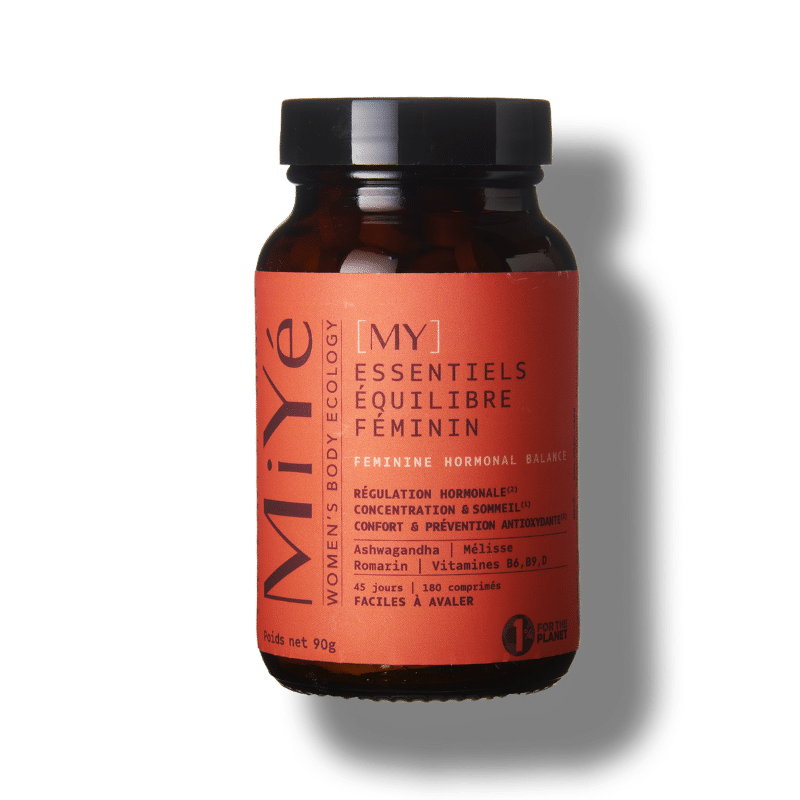
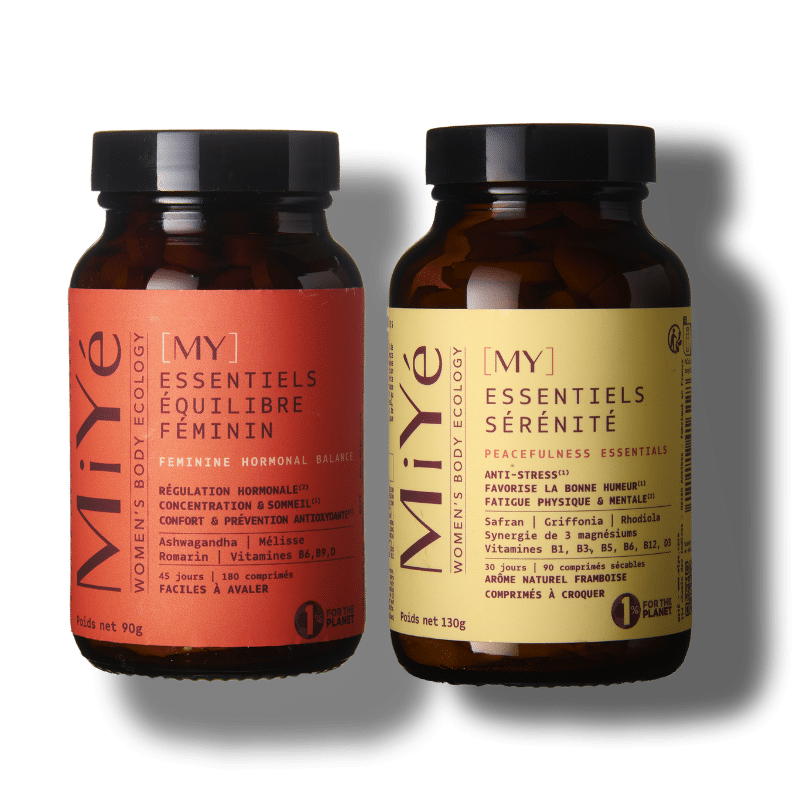
Food supplement adapted to female cycles, specially developed to support women during their hormonal variations (premenstrual syndrome, perimenopause, etc.) leading to emotional and physical imbalances (fatigue, mental fog), preserve their hormonal balance and strengthen our metabolism against oxidative stress and inflammation.
![[MY] BALANCE PACK](http://www.miye.care/cdn/shop/files/ack_equilibre.png?v=1755857561&width=1080)
Share:
What is hormonal detoxification?
Menopause? Not for me, thank you.