
























A FREE product of your choice from 80€ of purchase
Search

What are the benefits of shiatsu?

Written by Caroline De Blignières

Published on
Updated on
shiatsu
shiatsu
SUMMARY
  1. The benefits of Shiatsu
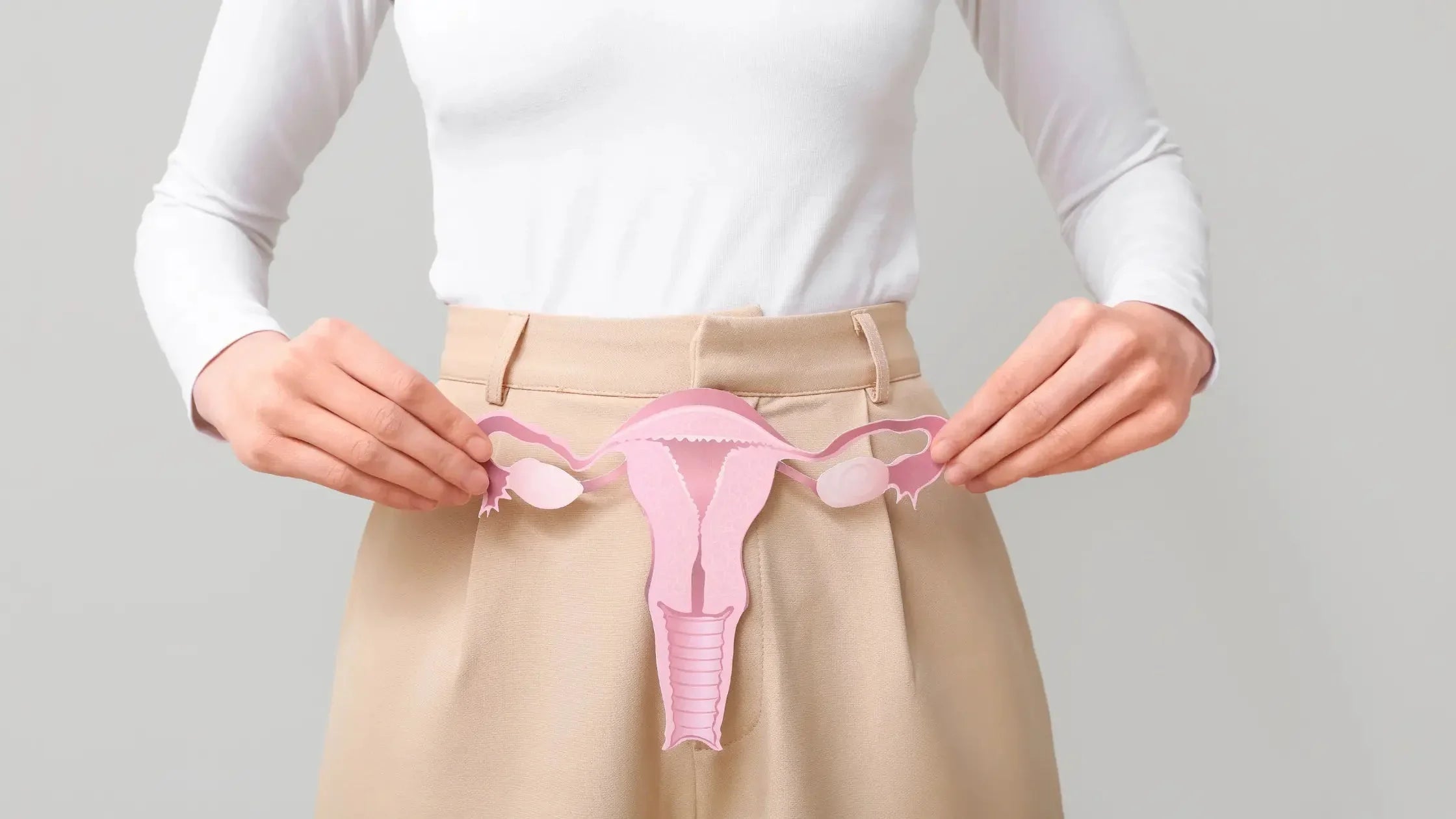
  2. The benefits of shiatsu for certain female endocrine disorders

Discover your hormonal profile in just a few clicks!

TAKE THE TEST

The benefits of Shiatsu

What is shiatsu ?

Shiatsu” is a Japanese word coined in the early 20th century meaning ” finger pressure”.

Shiatsu is a Japanese art of touch that has its origins in the age-old traditions of touch, massage and traditional Asian medicines.
Since the 1950s, it has been recognized as a medicine in its own right and enshrined in the Japanese constitution.

In France, we still have a long way to go to achieve such recognition of this practice…

“the basic principle of shiatsu is that everything is connected”.

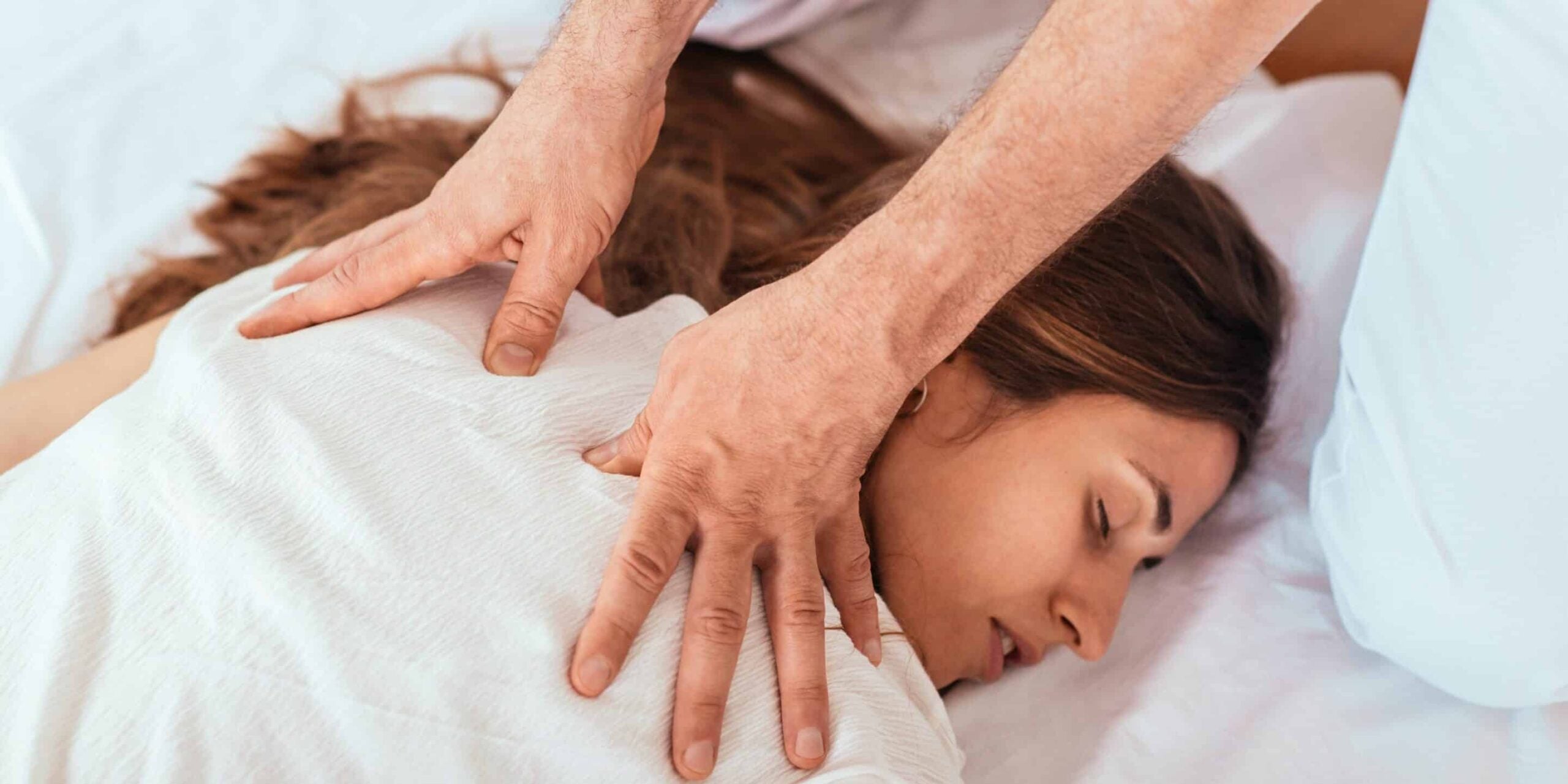
That’s why, during a shiatsu session, you’ll receive pressure with your thumbs and palms all over your body, as well as gentle stretching and mobilization of the joints.

How does it work?

Shiatsu works on four levels:

Anatomical: we press on muscles, sometimes bones
Physiological: we stimulate the autonomic nervous system, which regulates homeostasis (the body’s system of self-regulation and self-healing).
Energetic: we work on the acupuncture meridians, the circulation path of vital energy (Ki).
Emotional: in oriental energetics, each organ is linked to an emotion. By working on this organ through direct and/or indirect pressure (meridian), excess emotions are released. A saturated organ is one that functions less well; a liberated organ is one that will function optimally.

Clearly, shiatsu has a global action on the body and perfectly integrates the concept of the “mind-body link”.
Shiatsu helps people to better manage their stress and vital energy.

Nervous and endocrine systems – self-regulation of metabolic balance

The nervous and endocrine systems are the body’s two major regulatory systems. They are interconnected and in permanent relationship:

– the nervous system is “hard-wired” with neurons
– the endocrine system works “wi-fi”, as its messages circulate in the bloodstream but have no specific anatomical routes.

The nervous system responds quickly, while the endocrine system responds more slowly but with greater permanence.
These two systems jointly regulate metabolic balance.

Our mind is not aware of its own self-regulation.
Since you’ve been reading this article, have you thought about asking your heart to beat or your pancreas to secrete the right dose of insulin for the absorption of glucose from your last meal? These functions are handled by the “autonomic” nervous system, which works in tandem with your endocrine system to maintain the body’s vital functions at optimum levels.

As we’ve seen, shiatsu acts on the autonomic nervous system (especially when applying pressure along the spine); in turn, it acts on the endocrine system, soothing or stimulating it according to the body’s needs.

The benefits of shiatsu for certain female endocrine disorders

Shiatsu produces excellent results on chronic menstrual pain, by relaxing pelvic zones and calming the intensity of nervous messages.

Shiatsu has no direct effect on hot flushes during menopause. On the other hand, since we know that shiatsu has a calming effect on stress, stress being a factor which accentuates hot flushes, we can deduce thatshiatsu will help to reduce hot flushes (frequency and intensity) through its action on stress.

Shiatsu has no direct effect on thyroid disorders either.
That said, by working appropriately on the cervical spine, shiatsu can have an interesting effect in addition to conventional treatments.

Are there protocols for endocrine and/or nervous disorders?

My answer is yes and no.
Yes, we know the key zones involved in certain disorders and how to work on them.

“BUT EVERY WOMAN IS UNIQUE”.

Every woman has her own way of reacting to a situation. Somewomen may experience intestinal cramps after a stressful event, while others may experience headaches, heartburn or nausea.
Standard protocols cannot be used to alleviate these problems. The shiatsu professional is familiar with these “standard protocols”, but they will not be applied to the letter, precisely to respond to your uniqueness and specificity. Each shiatsu treatment is unique, because it’s made for you and only you.

Relaxation protocol for use at home

Here’s a little relaxation protocol you can offer yourself:

– Lie on your back, head resting on a small cushion, legs bent, soles of feet flat on the floor.
– Keep in mind that when you apply these pressures, you must exhale without holding your breath with your lips, in a continuous and gentle manner.
– Using the 4 fingers of your hands, reach for your solar plexus, which is located at the mouth of your stomach, at the end of the sternum in the center of your trunk. Press down until the end of the exhalation. Repeat three times.
– Then, with each breathing cycle, lower your fingers and move the pressure until you come to rest on your pubic symphysis (pubis).
– Using the same pressure pattern with the 4 fingers of your hands and on the exhale, you’ll start on your right and work your way up, forming an arc of a circle back to the starting point (solar plexus), which will run along the bones of your pelvis and ribcage.
– Then continue the arc down your left side until you reach the pubic symphysis again.
– Repeat this complete path as many times as you like.
– Place your hands flat on your navel.
– Move back and forth, in waves, from one side to the other, without lifting your hands.
– Place your hands flat on your navel again and take five conscious breaths.
– Don’t forget to thank yourself for this gift!

A few precautions, however:
– This protocol is not suitable for pregnant women.
– Wait at least 30 minutes after a meal before applying these pressures.
– Do not use this protocol if you have a fever, or if you have undergone abdominal surgery within the last three months.

WARNING: shiatsu does not replace medical treatment. Always talk to your doctor if you feel your current treatment needs to be adapted.

Take care of yourself!

Leave a comment

Please note, comments need to be approved before they are published.

This site is protected by hCaptcha and the hCaptcha Privacy Policy and Terms of Service apply.

RELATED ARTICLES

Dérèglements hormonaux
Reconnaître les premiers signes de la ménopause et apprendre à mieux vivre avec
  • 0 comments

Reconnaître les premiers signes de la ménopause et apprendre à mieux vivre avec

La préménopause commence souvent par des cycles irréguliers (règles plus espacées, abondantes ou courtes), signe d’une baisse progressive des œstrogènes. La ménopause est définie après 12 mois sans règles, lorsque les ovaires cessent de libérer des ovules et produisent moins...

Read more

Digestion
Comment soulager vos ballonements naturellement et efficacement ?
  • 0 comments

Comment soulager vos ballonements naturellement et efficacement ?

How can you naturally and effectively relieve your bloating? For fast relief, put one drop of peppermint essential oil in a teaspoon of vegetable oil, then gently massage your belly in circular motions, clockwise. You will feel gas being released,...

Read more

Dérèglements hormonauxDigestion
endobelly endométriose
  • 0 comments

Endobelly: When endometriosis causes a bloated stomach

Do you regularly experience abdominal pain and bloating ? This discomfort, often called endobelly, affects more than 90% of women with endometriosis. You may experience intense bloating, abdominal pain, digestive issues (constipation, diarrhea, nausea), and a abdomen that can give the impression of pregnancy. These symptoms often worsen around your period. Behind this bloating lie inflammation related to endometriotic lesions, hormonal fluctuations, adhesions, and even an altered gut microbiota. You might sometimes mistake it for irritable bowel syndrome, but the synchronization with your menstrual cycle is a valuable clue.

Read more

Dérèglements hormonauxInconforts physiques liés aux hormones
nausées règles
  • 0 comments

Why do you experience nausea before and during your period ?

Why do these nausea symptoms accompany menstruation? That's the question, and the answer is clear: hormonal changes disrupt the body and trigger a digestive storm that affects so many women worldwide. If your energy is evaporating and your stomach is silently clenching, you belong to a large, discreet group. This discomfort is far from trivial; it disrupts routines, alters appetites, and interrupts sleep.

Read more

Dérèglements hormonauxDigestion
digestion difficile remède grand mère
  • 0 comments

Indigestion: Natural and effective home remedies

Do you sometimes feel like your digestion takes too long, or that your stomach is bloated or painful? Simple remedies, such as a pinch of baking soda in a large glass of water, a drop of diluted peppermint essential oil, or an infusion of artichoke and black radish, can quickly bring relief. These family traditions, passed down through generations, work gently to soothe your digestive system and reduce bloating and water retention.

Read more

Dérèglements hormonauxInconforts physiques liés aux hormones
ventre gonflé règle
  • 0 comments

Bloating before menstruation: hormonal causes and solutions

If you've ever experienced bloating before or during your period, know that you're not alone. Many women experience this discomfort linked to the hormonal fluctuations of the menstrual cycle. You're probably familiar with that feeling of a tight stomach, as if your body is trying to retain every last drop of water, making your abdomen feel heavy and uncomfortable. This "bloating period" affects many women, whether they have a completely "normal" cycle or suffer from endometriosis, sometimes referred to as "endo belly," with its associated pain and bloating.

Read more

Dérèglements hormonauxInconforts physiques liés aux hormones
syndrome du gros ventre
  • 0 comments

Why do we talk about the "big belly syndrome" in women ?

The "bloated belly" syndrome in women manifests as a swollen abdomen that often feels uncomfortable. This phenomenon can be linked to various factors: digestive disorders such as irritable bowel syndrome, celiac disease, or endometriosis; hormonal fluctuations related to the menstrual cycle or menopause; water retention; stress; or even an accumulation of abdominal fat. If you experience bloating after meals, abdominal pain, or slower digestion, it's natural to wonder what's really behind this swollen belly.

Read more

Dérèglements hormonauxDigestion
ventre hormonal
  • 0 comments

Hormonal belly in women: understanding and taking action

The "hormonal belly" refers to an accumulation of deep abdominal fat, often linked to hormones in women. During menopause, the drop in estrogen facilitates the storage of visceral fat around the organs, and excess cortisol during periods of stress further exacerbates this phenomenon. This fat, being more inflammatory and metabolically active, can make localized weight loss particularly challenging.

Read more

Dérèglements hormonauxInconforts physiques liés aux hormones
ventre gonflé stress
  • 0 comments

Stress and bloating : the impacts on your well-being

If you experience bloating due to stress, know that stress is often the cause of these bloating and intestinal gases. Indeed, chronic stress, through the release of cortisol, disrupts your digestive system: it slows gastrointestinal motility, unbalances your gut microbiota, and can lead to constipation or abdominal pain.

Read more

Dérèglements hormonauxInconforts physiques liés aux hormones
ventre gonflé et dur
  • 0 comments

Bloated and hard stomach : understanding and relieving these digestive problems

A bloated and hard stomach is often caused by a buildup of gas in the digestive system. This can be linked to an unsuitable diet, the consumption of carbonated drinks, digestive upset, or stress. Using dietary supplements to support good digestion can help alleviate these symptoms. These factors lead to bloating and abdominal distension.

Read more