














































The different types of contraception: advantages and disadvantages
Contraception methods: which is right for you?
These days, there are a multitude of contraceptive methods, and the contraceptive pill, although the most widespread, is just one of many. With the IUD, contraceptive patch, injection and many other options available, it’s important to ask: which method should I choose?
Each method has its own advantages and disadvantages.

Using the right contraception
Using contraception is essential to avoid unwanted pregnancy. But you still need to find the one that’s right for you.
The good news is that there are many methods available today. There’s bound to be one that’s right for you! To help you make your choice, we present the main advantages and disadvantages of the most commonly used contraceptives.

The IUD (copper or hormonal): is it natural and safe?
There are 2 types of IUD: hormonal OR copper
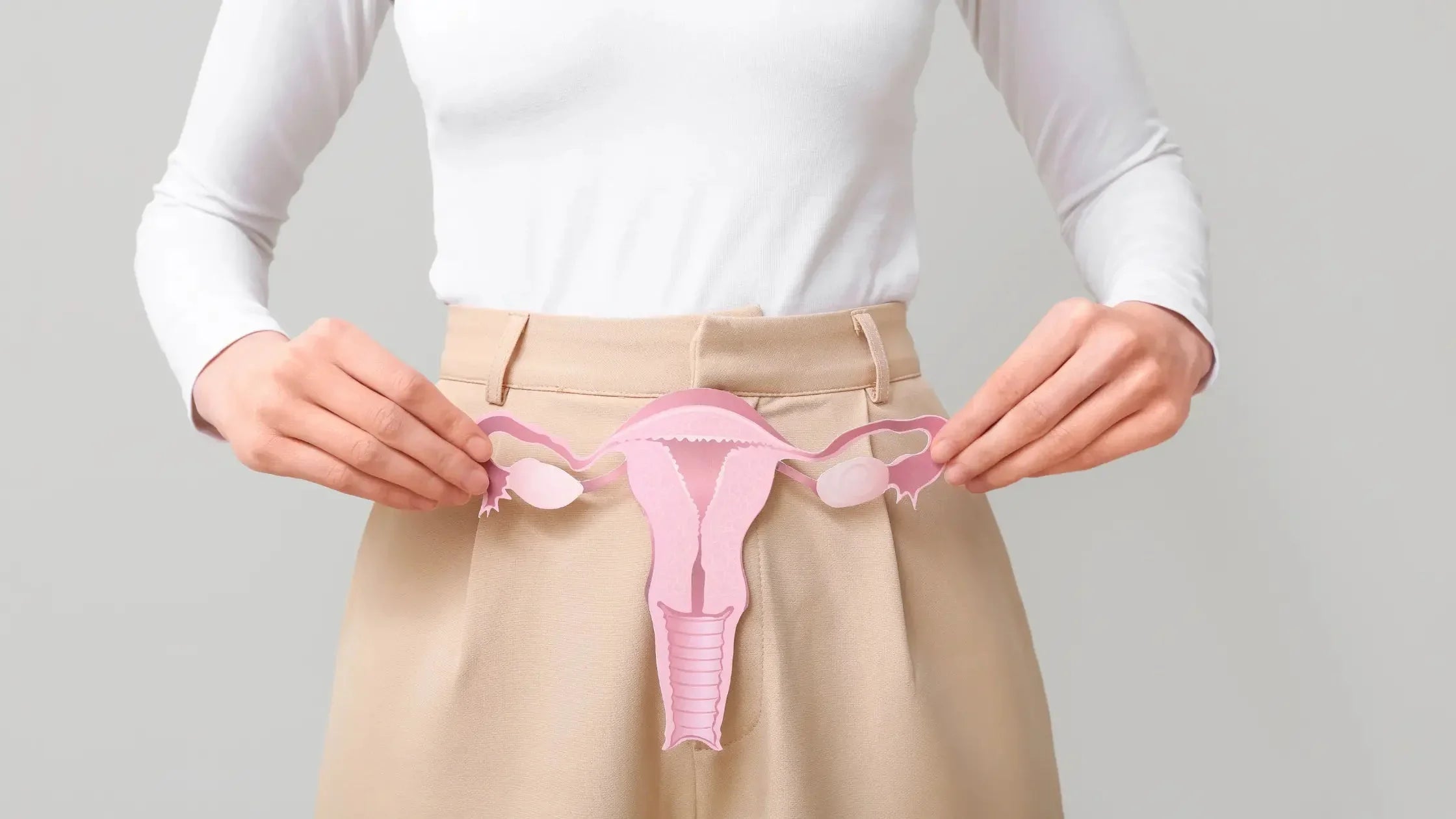
The intra-uterine device (IUD) is a contraceptive device inserted inside the uterus. There are two types: copper and hormonal.
Neither type blocks ovulation. Both types act on the uterus and its cervix, but not on the ovary.
Leur action contraceptive fonctionne pour :
- Create permanent local inflammation of the uterus: to prevent nidation of any fertilized eggs.
- Releasing an active ingredient (copper or synthetic hormones) directly into the uterus, designed to block the cervix with permanently infertile mucus, in an attempt to prevent any spermatozoa from passing through.
The difference between copper and hormonal IUDs:
An IUD consists of a small plastic “T” that creates the inflammation, a nylon thread attached to the end and protruding a few centimetres into the vagina (this thread is used to check that it hasn’t moved and is still in place), and a copper wire or mini reservoir of synthetic hormones.

Their difference lies in their active ingredient: one, the copper IUD, diffuses copper into the uterus, and the other a synthetic progestogen (levonorgestrel), similar to what might be found in a progestin-only pill (and not an estrogen-only pill).
What they have in common is their mechanical inflammatory action, which, to put it simply, accounts for the other 50% of their action.
The contraceptive pill
The contraceptive pill is one of the best-known and most reliable methods of contraception. It contains two hormones that are naturally present in women and which, when taken consistently every day, modify the menstrual cycle: estrogen and progesterone.
The benefits of the contraceptive pill :
- Less heavy, more regular and less painful periods,
- Helps reduce acne,
- Can be stopped at any time,
- Easily found in pharmacies.
The disadvantages of the contraceptive pill :
- Take it every day at the same time if possible,
- A prescription is required to take the contraceptive pill.
Pill-related side effects:
- Weight gain
- Headaches
- Mood swings
- Nausea
- May cause loss of libido
- Increased risk of thrombosis and cardiovascular disease.

However, there are also 2 types of pill: the progestin-only pill (POP) and the combination pill (CP).
Combination pills, or estrogen-progestin pills, are an oral contraceptive consisting of an estrogen and a progestin.
There are many different types of combined pill, differing in terms of estrogen type and dose, progestin type and combination.
In other words, a pill contains two hormones: an estrogen (often ethinyl estradiol) and a progestin (which varies from pill to pill).
Progestin-only pills, or microdose pills, are an oral contraceptive consisting of a low-dose progestin hormone. Unlike the combined pill, they contain no estrogen.
There are several types of progestin-only pill, depending on the progestin used: desogestrel, levonorgestrel and drospirenone.
The contraceptive patch
The patch is also a method of hormonal contraception that is applied to the skin. It contains two hormones, estrogen and progesterone, which are released gradually through the skin.
For optimum efficacy (99%), the patch must be changed every week, on the same day and at the same time, for three weeks. The 4th week is patch-free, and triggers menstruation.
Its benefits are fairly equivalent to those of the contraceptive pill:
- Less painful, less abundant periods,
- No need to take it every day,
- Easy to use,
- Can help reduce acne.
However, the patch can have several drawbacks:
Skin can become irritated where the patch is applied,
If the patch comes off, it must be replaced as soon as possible,
Bleeding may occur between cycles.

The implant
The contraceptive implant is a small plastic rod, 4 cm long and 2 mm in diameter (the size of a match). It is inserted just under the skin and delivers small quantities of a progestin, etonogestrel, to suppress ovulation.
How is it used?
The doctor or midwife inserts the implant under the skin of the non-dominant arm, using an applicator with a special needle. The procedure is performed under local anaesthetic to minimize pain.
The implant is free of charge for people under 26.
It is 99.9% effective and can last up to 3 years, before being replaced.
The vaginal ring
This is a soft, flexible ring about 5 cm in diameter that is inserted into the vagina without interruption for 21 days. It contains two hormones, estrogen and progesterone, which are released gradually.
The vaginal ring has several advantages:
- Less painful, lighter periods,
- No need to take them every day,
- Easy insertion and removal.
However, like all contraceptives, there are disadvantages, such as :
- Sore, swollen breasts,
- More vaginal discharge,
- Some people may experience discomfort during intercourse.
Finally, don’t hesitate to consult a healthcare professional, as this will help you decide which contraceptive to choose and which is best suited to your body.
We offer you products that will help calm your contraceptive-related symptoms, such as cravings with

Did you know? New male contraceptive methods in the form of gels, implants or the “on-demand” pill could soon be available in the USA.
to share the contraceptive burden, which today still too often falls on women.
Do male contraceptive pills work?
The male contraceptive pill is a type of contraception that is still under development and not yet available on the market. It aims to offer men an alternative to vasectomy and condoms as a contraceptive option. It is not a pill offering permanent sterility, but a temporary contraceptive method that is effective when the treatment is conscientiously followed.

Caroline LANSON, co-founder of the Miyé brand, is passionate about plants and well-being: she has over 20 years of experience in developing skincare and food supplements in various laboratories and has also trained in naturopathy.
![Pilulier [MY] Essentiels équilibre féminin sur fond transparent](http://www.miye.care/cdn/shop/files/Visuels-shop-25.png?v=1747987949&width=800)
![[MY] INTIMATE MOISTURIZING BALANCING GEL 50ML](http://www.miye.care/cdn/shop/files/packshot-meilleur-produit-pharma-gel-intime-hydratant-50ml.png?v=1792076056&width=810)
![[MY] SERENITY ESSENTIALS](http://www.miye.care/cdn/shop/files/packshot-meilleur-produit-pharma-serenite.png?v=1792076195&width=810)
![[MY] INTIMATE BALANCING MOISTURIZING GEL 20mL](http://www.miye.care/cdn/shop/files/packshot-meilleur-produit-pharma-gel-intime-hydratant-20ml.png?v=1792076145&width=810)
Share:
Intimate and intestinal flora
Intimate and intestinal flora