



SUMMARY
































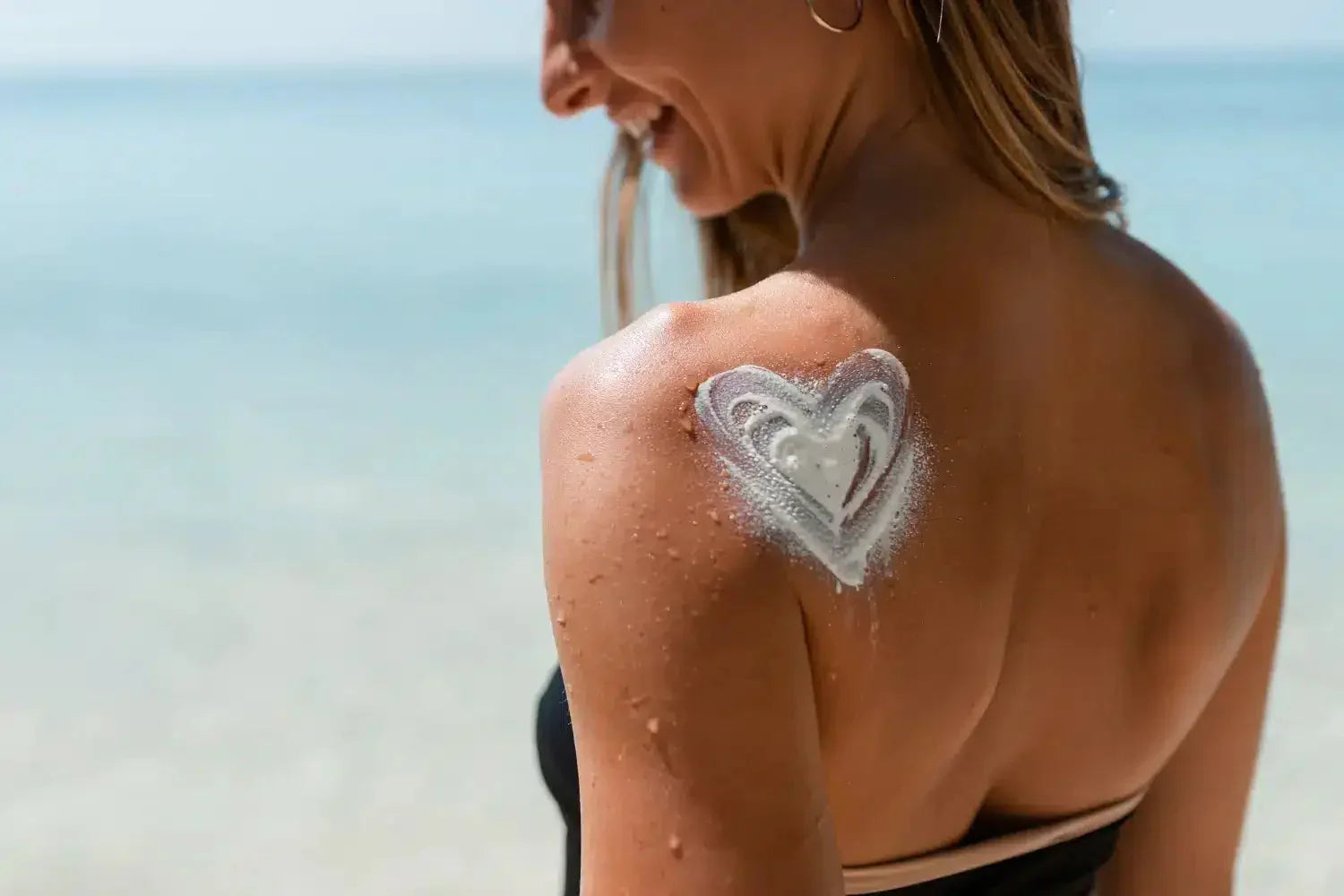

The sun has many health and moral benefits. While UV rays give you a tanned complexion by stimulating melanin production, tanning is above all an act of self-defense by the skin against them. Indeed, the sun is a source of health risks, from sunburn to the risk of developing skin cancer. To protect themselves from the sun’s rays, they need to protect themselves with high protection indices and numerous upstream tips.

Types of sunlight and their effects on the skin
Ultraviolet (UV) radiation is electromagnetic radiation from natural sources (sunlight) or artificial sources (tanning booths). The sun’s rays contain several types of ultraviolet (or UV) radiation at different wavelengths:
UVA: This is poorly filtered by the atmosphere, and accounts for 95-99% of the UV reaching the Earth’s surface.
UVB: These are mostly filtered by the atmosphere, but their intensity increases throughout the day. They account for 1 to 5% of UV reaching the earth’s surface.
UVC: They are completely blocked by the atmosphere.
The UV index is used to measure the intensity of UV radiation. The higher the index, the more important it is to protect oneself from the sun, and not to expose oneself for too long, even if the sky is cloudy. In France, the sun’s UV rays are very strong from May to the end of August, due to the earth’s position in relation to the sun. Exposure to UV radiation is the main cause of skin cancer, but can also cause serious eye damage.
UVA and UVB rays are genotoxic, i.e. they cause alterations to the DNA molecule, the body’s genetic material, sometimes leading to cancer. UVA rays promote the formation of free radicals inside cells, which attack DNA molecules. When they reach the skin, excessive doses of UV aggress the skin cells and can cause irreversible damage to the genes of exposed cells.
But the sun is also good for your health. After exposure to the sun, vitamin D is produced. A 10-minute exposure of the face and forearms to the midday sun, two or three times a week in summer, is enough to produce the vitamin D needed by an adult. For dark-skinned people, or on cloudy days, 30 minutes are required.

The sun’s harmful effects on the skin
Moderate amounts of sunlight are good for your health. However, excessive exposure to the sun’s rays can be a source of health risks, such as sunburn, premature aging of the skin, photosensitization, skin cancer and serious eye damage.
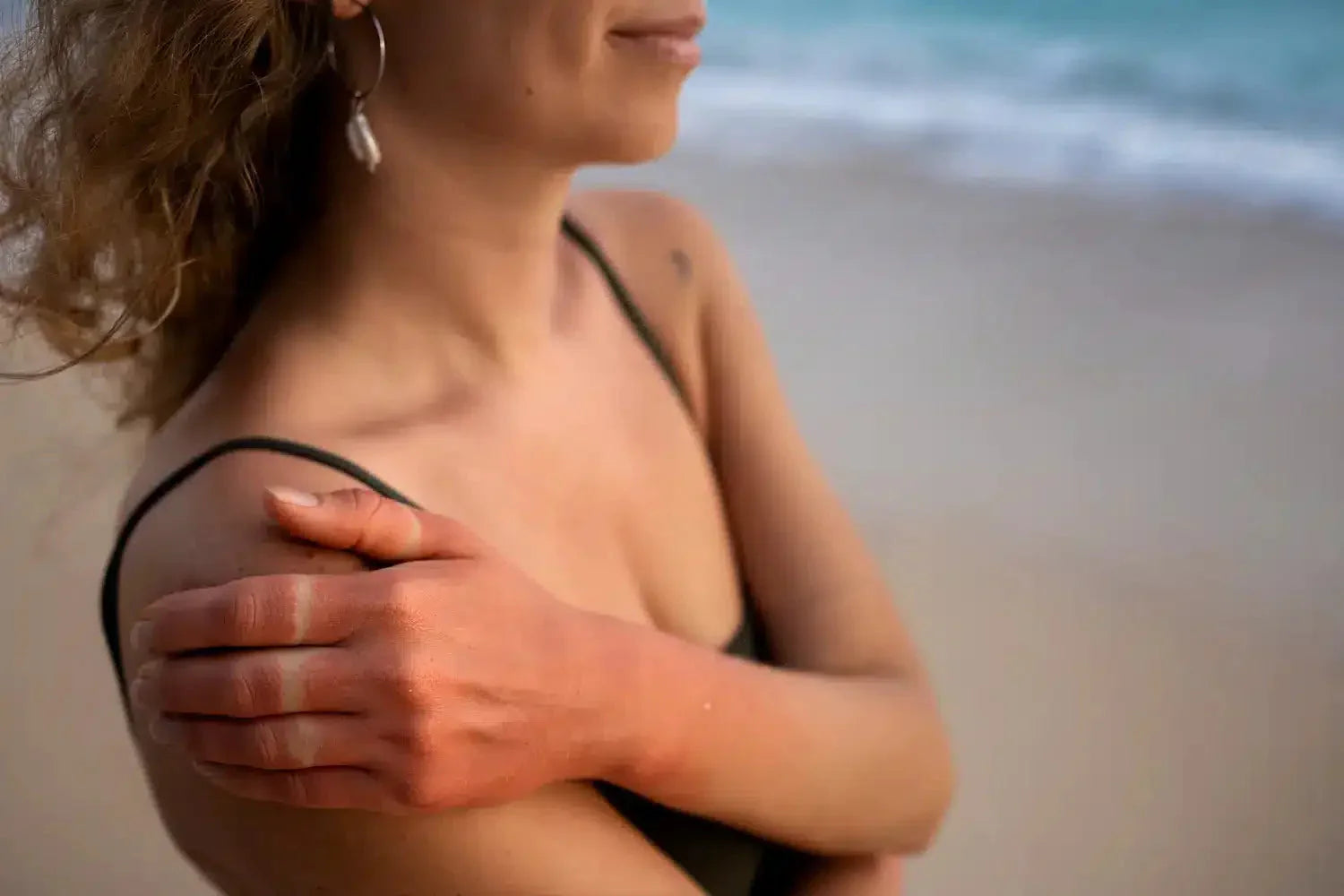
Sunburn and tanning are directly linked to exposure to UV rays. The skin is the first line of defense against external attacks. It is made up of the dermis (deep part of the skin) and the epidermis (superficial part). The epidermis comprises two cell types: keratinocytes and melanocytes. The latter produce large quantities of melanin, a pigment responsible for protecting cells from ultraviolet radiation. Since melanin is a brown pigment, UV rays progressively darken the skin, producing a tan. Sunburn is an inflammatory reaction in which the body defends itself against sun-induced damage.
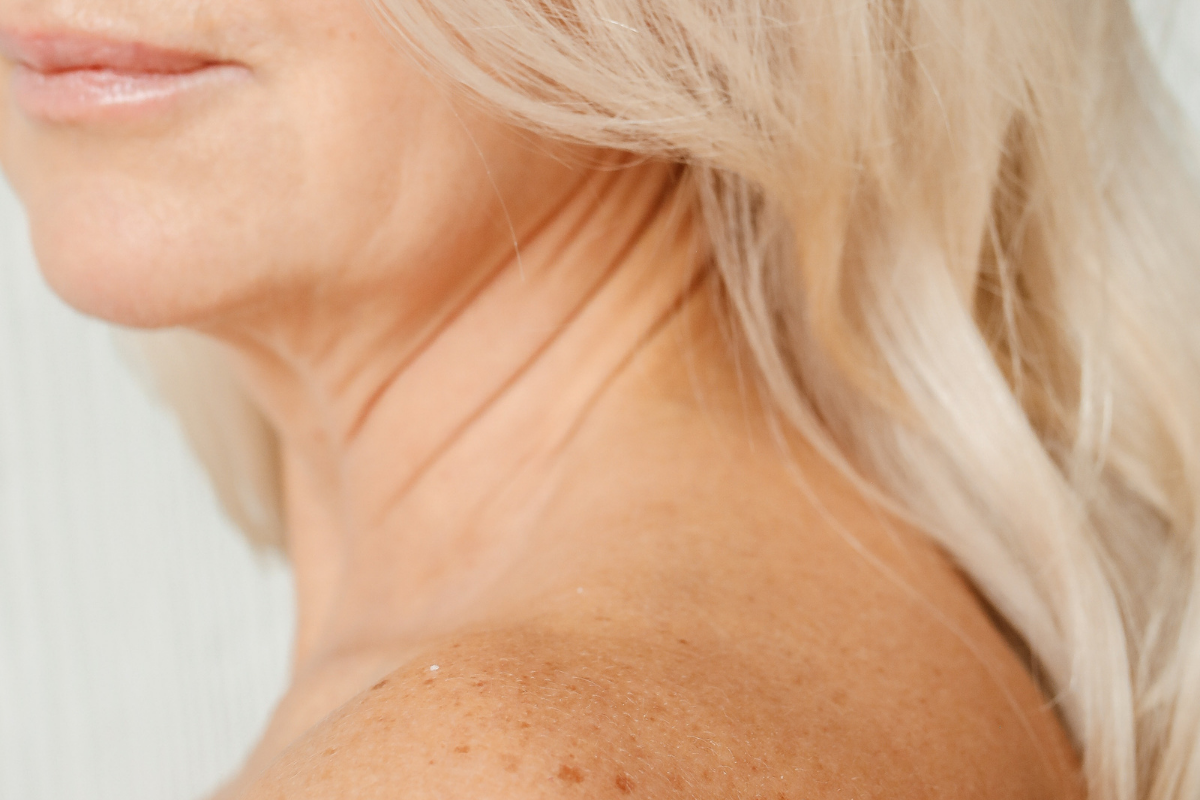
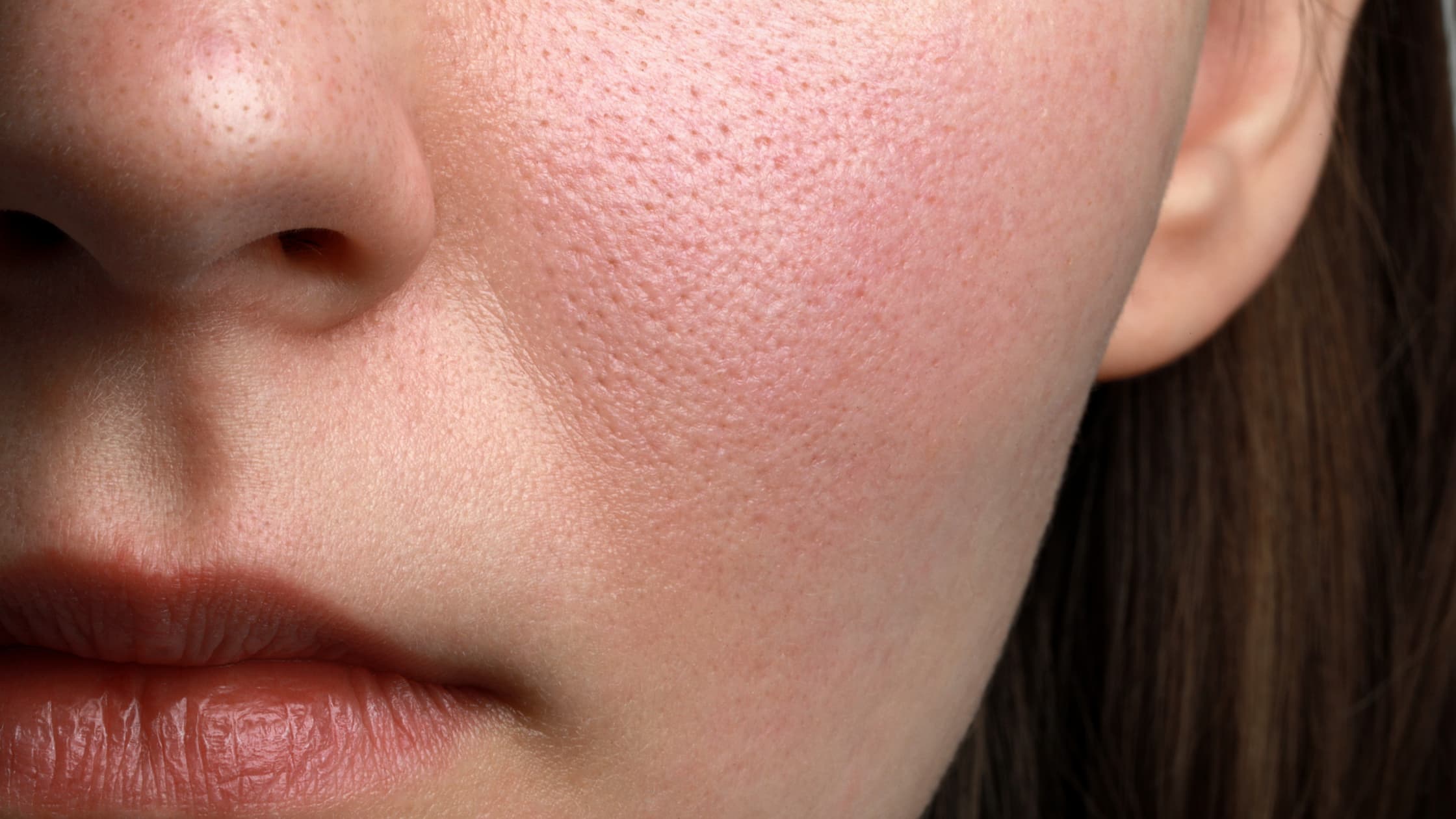
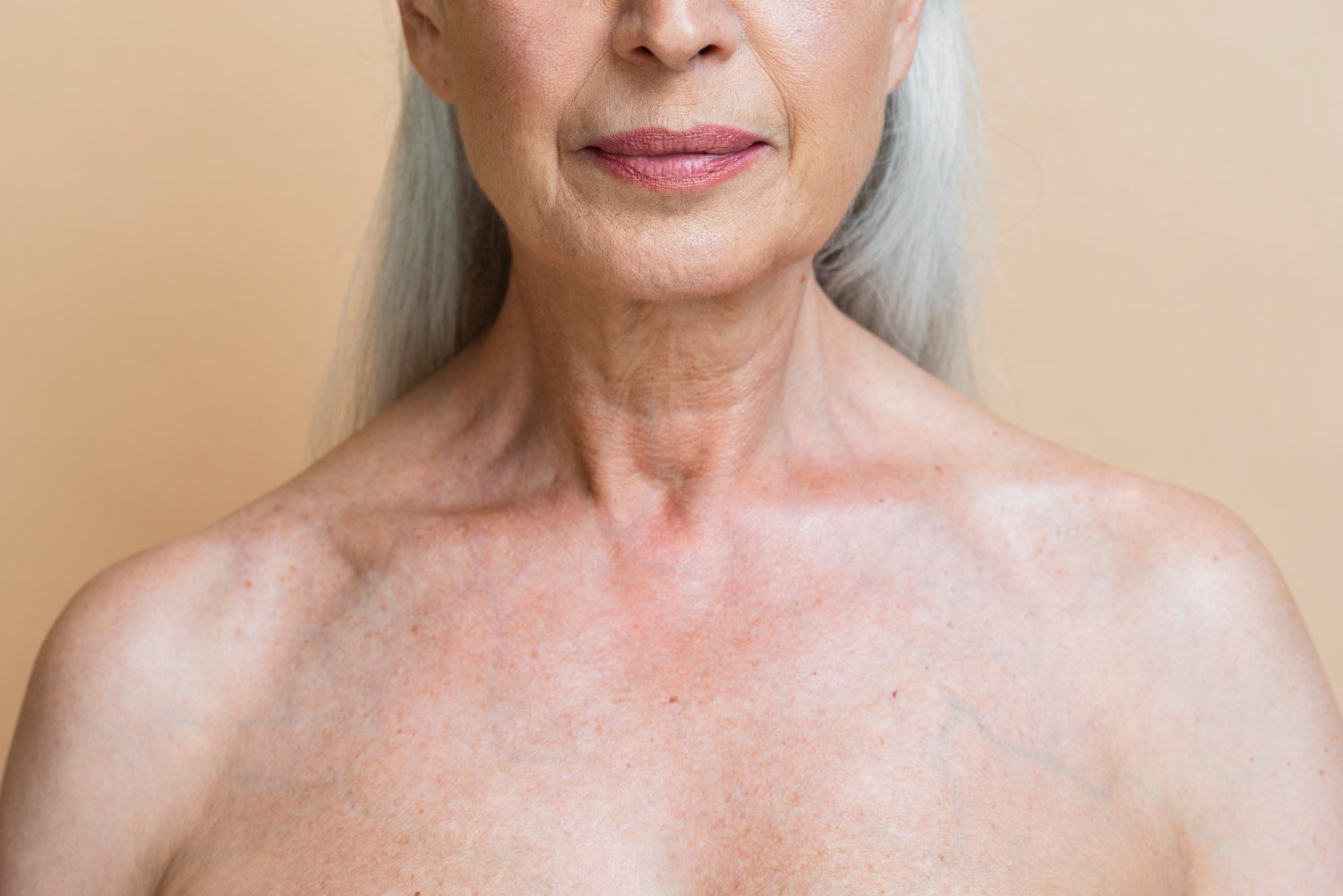
On the other hand, exposure to the sun prematurely ages the skin, and fine lines, wrinkles and pigmentation spots can appear. These brown spots, known as solar lentigines, are more or less dark in color and reflect the hyperproduction of melanocytes within the epidermis. All skin types are affected by significant exposure, although fair-skinned people are more vulnerable.
UV rays also increase the risk of developing skin cancer. A study coordinated by the International Agency for Research on Cancer (IARC) dated June 2018, reveals that 40% of cancers would be linked to our lifestyle or environment and would therefore be “avoidable”. In France, around 3% of cancers are linked to exposure to ultraviolet rays (sun or UV tanning booths). The link between sun exposure and skin cancer has been clearly demonstrated. The longer a person has been exposed to the sun, the greater the risk of developing skin cancer. Protection against ultraviolet rays, particularly during childhood and adolescence, contributes significantly to reducing the risk of skin cancer.

Preparing the skin before exposure to the sun
Before exposing yourself to the sun, here are a few tips and good habits you can adopt to limit sunburn and allergic reactions. However, it’s important to remember that when you’re out in the sun, it’s essential to apply sunscreen to protect your skin from ultraviolet rays.
- Moisturizing the skin
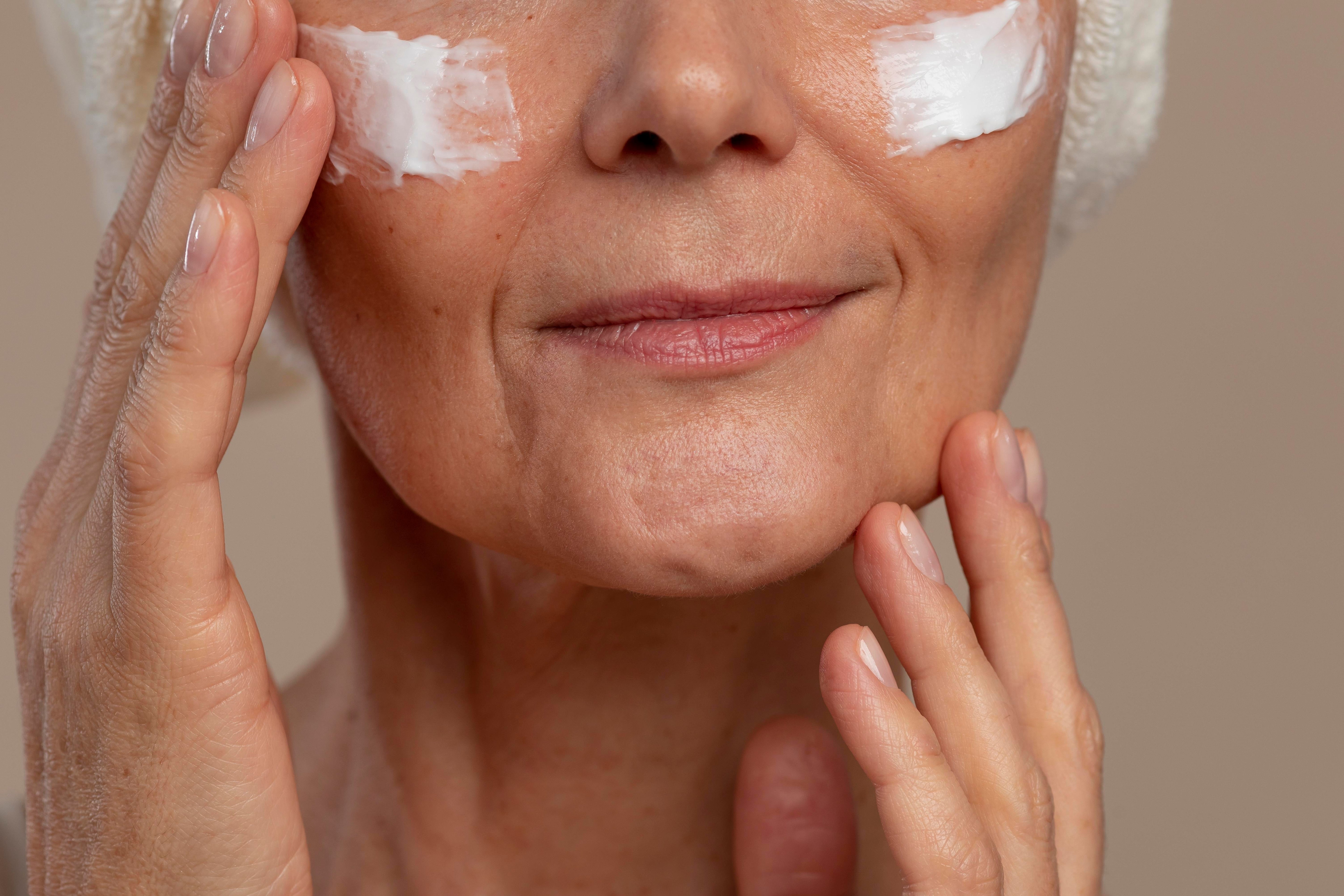
To strengthen the skin barrier and prevent sun-induced dehydration, it’s important to keep your skin well hydrated. Indeed, exposure to the sun is experienced as an aggression by the skin. To help protect and regenerate your skin, it’s important to moisturize your body and face before, during and after exposure to the sun. And don’t forget to stay hydrated by drinking at least 1.5 liters of water a day.
- Exfoliation
Gently exfoliating the skin removes dead cells from its surface and stimulates cell renewal. Exfoliation also enhances the penetration of moisturizers. After exfoliation, you should wait at least a day before exposing your skin to moderate sunlight.
- Nutrition
To prepare your skin for the sun, diet plays an important role. Certain foods promote melanin production and cell regeneration, while combating oxidative stress.
A diet rich in beta-carotene and lycopene, antioxidant vitamins A and E, and essential fatty acids is recommended. These nutrients are found in certain vegetables (carrots, tomatoes, sweet potatoes, red peppers), fruits (citrus fruits, mangoes, apricots, melons, watermelons) and sources of omega 3 and 6 (rapeseed oil, olive oil and seaweed oil).
- Gradual exposure to the sun
Frequent exposure to the sun for short periods (30 minutes to 1 hour) with appropriate sun protection helps protect your skin. Sun exposure between 12 p.m. and 4 p.m. is not recommended.

Sun filters and their use
90% of French people know that the sun is dangerous for their health, and 70% of women have changed their behavior over the last ten years, mainly to protect their children. Although the majority of French people are aware of the harmful effects of the sun, the protective measures they use are often not sufficient. Sun protection products are highly effective, but need to be applied regularly and in the right doses.
What is sunscreen?
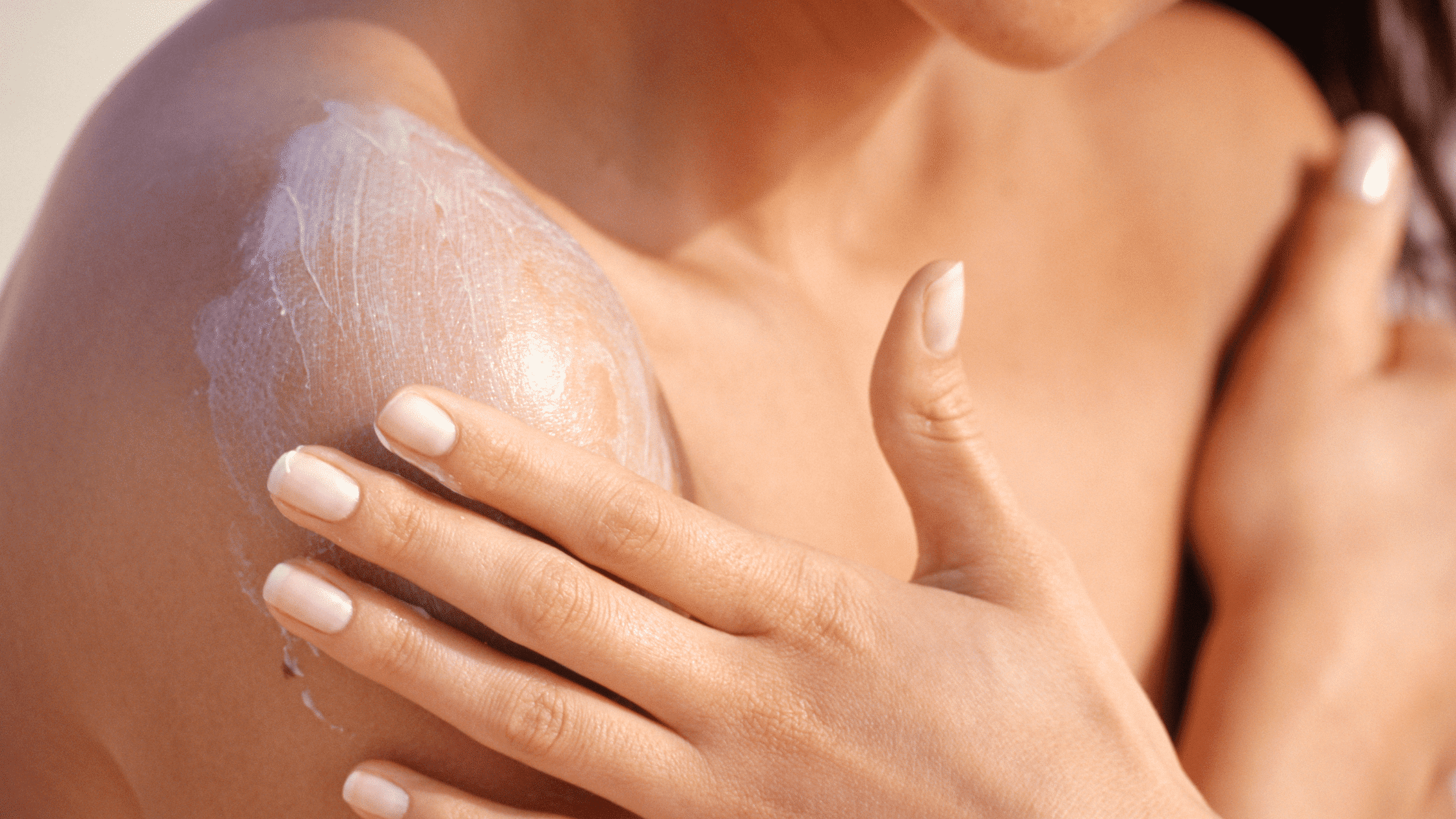
A sunscreen is a cosmetic product designed to protect the skin from the harmful effects of the sun’s ultraviolet rays. It must protect against UVA and UVB rays. A sunscreen formulation is therefore often composed of several sun filters, whose actions are complementary.
What are the differences between the chemical and mineral filters used in sun protection products ?

The SPF (Sun Protection Factor) is calculated by dividing the dose of solar radiation needed to cause skin redness with sunscreen by the dose needed to cause redness without sunscreen. This calculation is based on the application of 2 milligrams of sunscreen per square centimetre of skin surface. The SPF index is a scale indicating the level of sun protection offered by the product. The higher the SPF, the greater the protection. According to European regulations, there are 4 categories of sunscreen: 6-10 low protection; 15-25 medium protection; 30-50 high protection and 50+ very high protection.
Any application of sun protection should be repeated every 2 hours for continuous exposure, but also between swims or after physical activity. In fact, according to AFSSAPS (Agence française de sécurité sanitaire des produits de santé), the sun protection efficacy of all creams is reduced by 90% after 30 minutes of physical activity. Furthermore, it’s important not to reuse sunscreen from one year to the next, as its effectiveness can be altered by heat, and certain components can oxidize, increasing the risk of skin allergy.
The almost daily application of sunscreen is recommended to protect the skin from aging. Including sun protection in your routine protects against the appearance of wrinkles and spots.
Exposure to the sun can therefore be beneficial to health if limited. Exposure to the sun without protection can lead to health risks. It’s important to choose the right sunscreen to protect you from UV rays, while protecting your health and the environment.
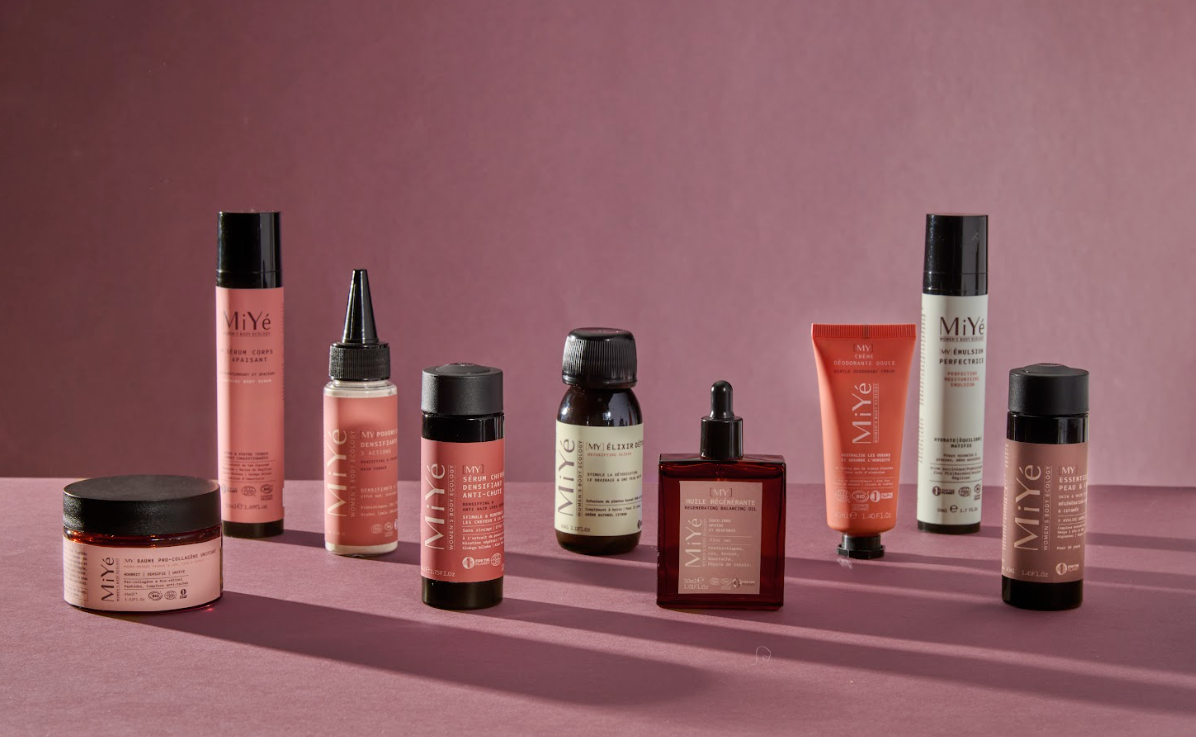
Rediscover the [MY] REGENERATING OIL facial oil that has been designed to preserve the skin microbiome’s balance.

Sources :
- https://www.cosmebio.org/fr/nos-dossiers/comment-preparer-naturellement-sa-peau-a-lete
- https://fr.u-paris.fr/actualites/les-effets-nefastes-du-soleil-sur-la-peau
- https://www.msdmanuals.com/fr/accueil/troubles-cutan%C3%A9s/l%C3%A9sions-cutan%C3%A9es-dues-au-soleil/pr%C3%A9sentation-des-l%C3%A9sions-cutan%C3%A9es-dues-au-soleil
- https://dermato-info.fr/fr/les-conseils-dermato_tutos-peau/le-soleil-et-la-peau
- https://www.laboratoires-biarritz.com/blog/etude-les-bienfaits-dune-protection-solaire-quotidienne-2/

Share:
Endometriosis and Diet: Which Nutrients to Favour or Avoid?
Astaxanthin benefits : What are they ?