






SUMMARY















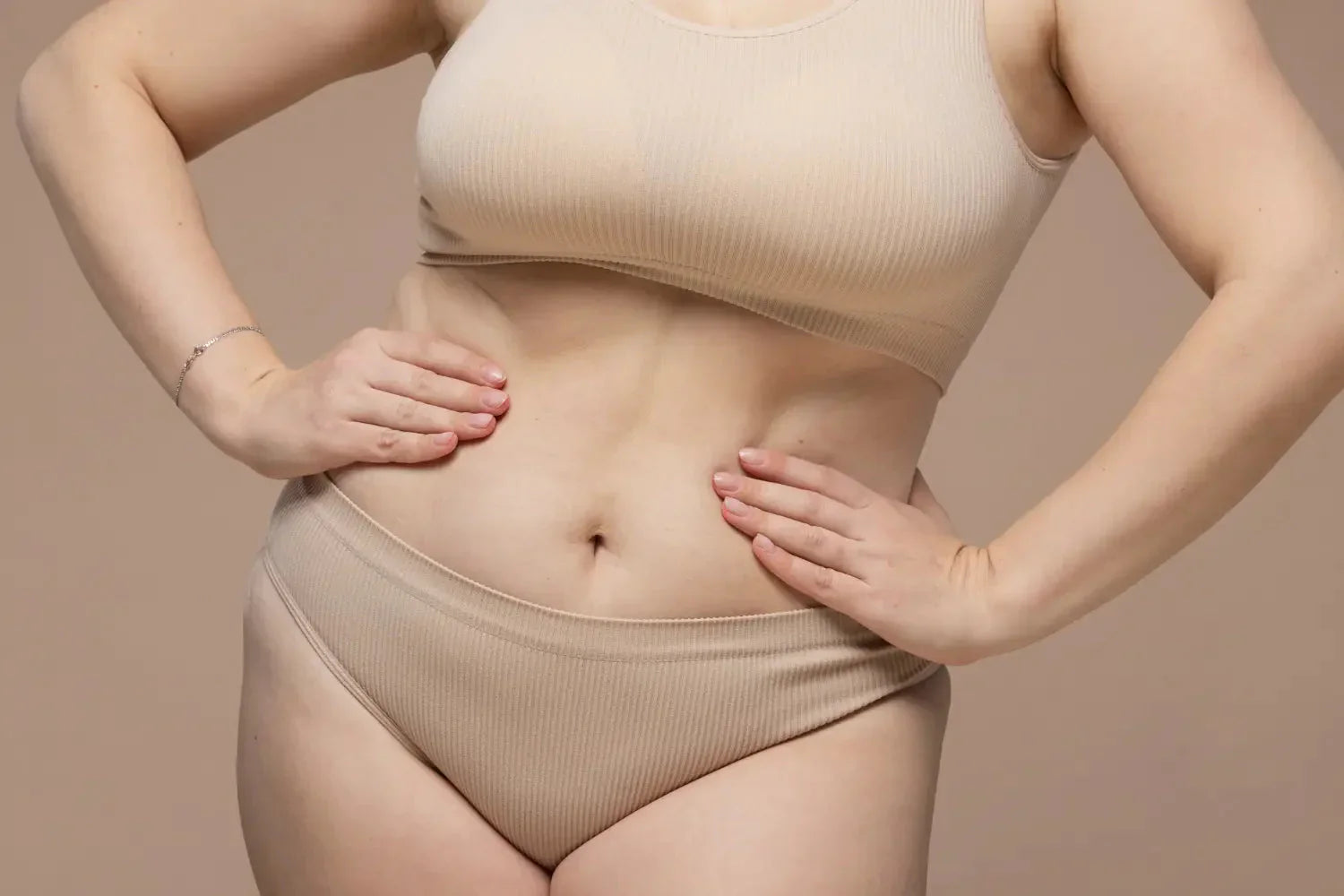

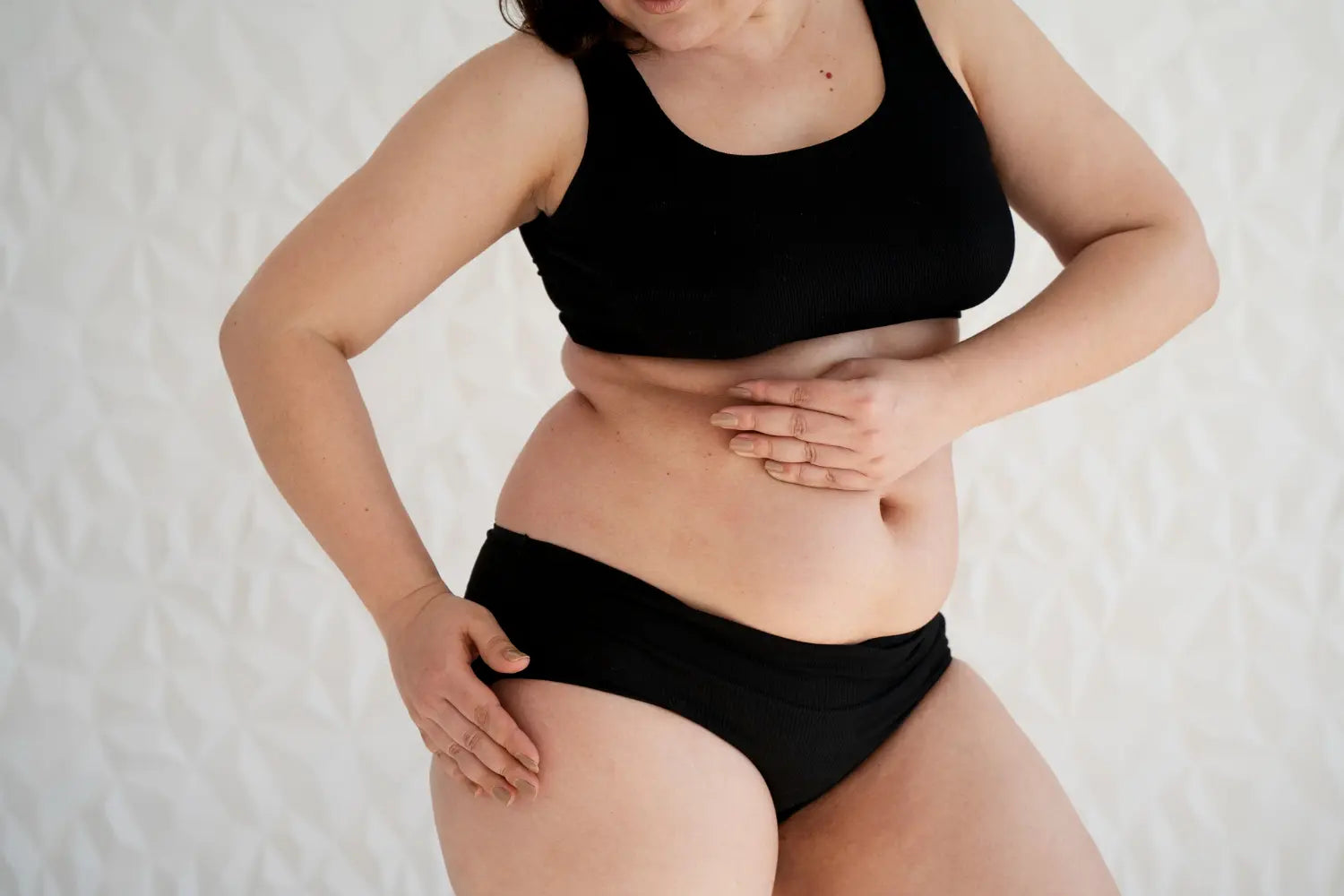

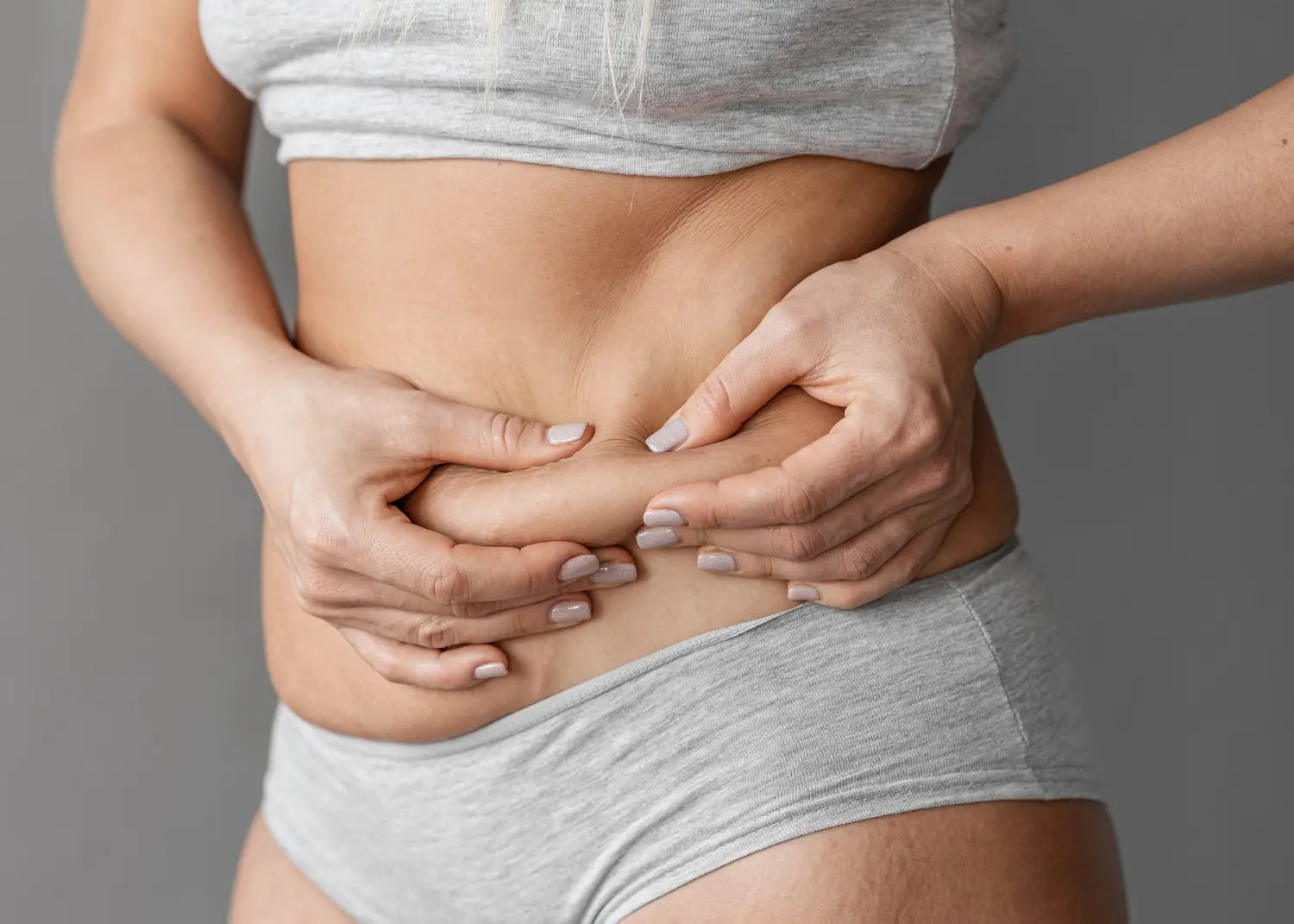
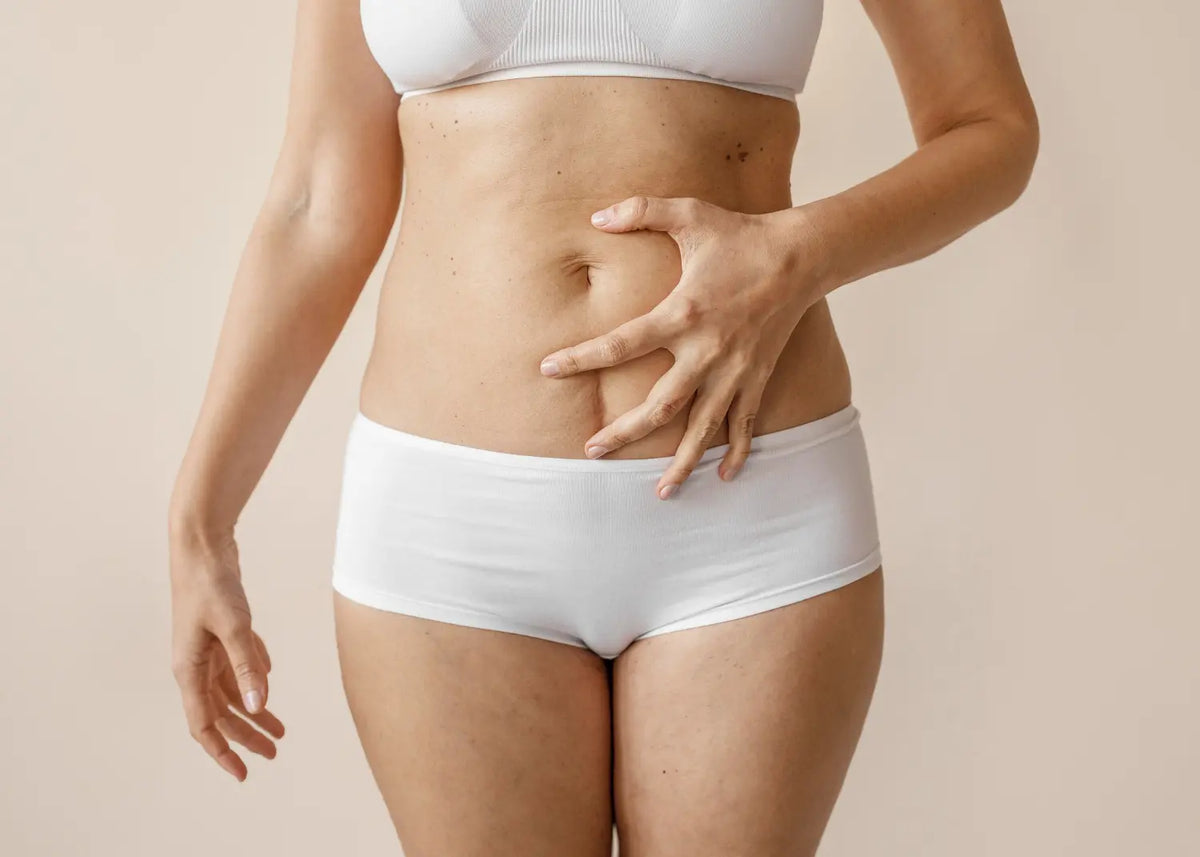










Female hormones directly influence weight, notably through their impact on blood sugar, metabolism and fat storage.
The balance between oestrogen and progesterone is decisive: a relative excess of oestrogen (oestrogen dominance) can promote water retention and an increase in body fat.
Other hormones also play a key role in weight management, such as insulin, cortisol, thyroid hormones and testosterone, which influence metabolism and fat distribution.
Hormonal imbalances can appear at different stages of life (perimenopause, premenstrual syndrome, PCOS, endometriosis) and lead to weight gain or difficulty losing weight.
The relationship is bidirectional: weight also influences hormones, as adipose tissue produces oestrogens, which can sustain certain hormonal imbalances.
How female hormones influence our weight... and our weight influences our hormones!
Have you been gaining weight without changing anything in your lifestyle? Or conversely, are you being very careful about what you eat and moving more, yet the number on the scale refuses to budge? What if it were a question of hormones?
You have probably already noticed: your weight varies slightly depending on where you are in your cycle. We also see this in people who are severely underweight or overweight, who find that their periods disappear. This is explained by the different actions of your female hormones — progesterone and oestrogen — and their interactions with other hormones or various organs in your body.
Let us explore this in detail.
What effect does progesterone have on the body?
Progesterone is a key hormone of the female cycle, produced primarily after ovulation by the corpus luteum. Its effects on the body are multiple:
- On the uterus: it prepares the uterine lining for a potential pregnancy and maintains the wall in the event of implantation.
- On sleep: it has a naturally sedative effect, which explains the fatigue often felt in the second half of the cycle.
- On mood: via its metabolites (notably allopregnanolone), it acts on GABA receptors in the brain with an anxiolytic effect. A sudden drop in progesterone can conversely generate irritability or anxiety.
- On bowel transit: it slows intestinal motility, promoting bloating and constipation.
- On body temperature: it slightly raises basal temperature after ovulation — this is the basis of the symptothermal method.
An imbalance between progesterone and oestrogen (oestrogen dominance) is common and can amplify many cycle symptoms.
What are the side effects of progesterone?
Progesterone — whether natural or prescribed — can lead to several effects experienced by women: fatigue, drowsiness, bloating, breast tenderness, mood variations or mild water retention. These effects are often transient and linked to cycle fluctuations.
It is important to distinguish natural (bioidentical) progesterone, prescribed by a doctor, from synthetic progestogens, which have a different side-effect profile. Any hormonal treatment requires a prescription and medical monitoring. If you experience unusual effects, speak to your doctor.
A brief reminder about female hormones:
The 2 female hormones are oestrogens and progesterone. Oestrogens predominate during the first part of the cycle — particularly at the time of ovulation and at the very end of the cycle — while progesterone rises progressively from ovulation, which occurs approximately mid-cycle. If the egg is not fertilised, the levels of both hormones drop sharply just before menstruation. They are secreted mainly by the ovaries. Their role is to prepare the body as best as possible for pregnancy.
In terms of weight, they act in opposing ways. For example, oestrogens promote water retention and the storage of fat on the buttocks, hips, thighs and breasts. They also influence the satiety hormone, leptin. They additionally have a role in sleep: good oestrogen levels support sleep, and we know that poor-quality sleep can cause cravings for sugar and/or fatty foods, and therefore weight gain.
Conversely, progesterone has a diuretic action; it therefore promotes the elimination of water via the kidneys. It also has an effect on the release of stored fat and, so that these reserves do not remain empty and can be available in the event of pregnancy, it stimulates hunger. Added to this, progesterone acts positively on mood and wellbeing. And we know how important mood is when it comes to weight: the lower it is, the more we tend to eat (and generally not broccoli...) and therefore gain weight.
- Hormonal imbalances: an important factor in weight gain
As we have seen, oestrogens and progesterone have opposing effects. They balance and self-regulate one another. Thus, beyond the levels of each of these hormones individually, it is above all their proportion relative to one another that is decisive. We discussed this in this article: oestrogen dominance. Too much oestrogen relative to progesterone, and — to speak only of the impact on weight — body fat and water retention increase.
Many other hormones react to the progesterone/oestrogen balance. This is the case, for example, with insulin, cortisol, thyroid hormones and testosterone. And these various hormones have a significant impact on weight, as they influence blood sugar control, promote the storage of sugar in adipose tissue, accelerate or slow metabolism and encourage fat storage in the most metabolically harmful areas of the body.
So when the delicate balance between our female hormones is disrupted, the entire hormonal balance is thrown into disarray. Certain discomforts follow, along with weight gain or resistance to weight loss. This is the case, for example, during perimenopause, in cases of premenstrual syndrome, or with certain conditions such as PCOS or endometriosis.
- Weight also influences female hormone levels
As we have seen, depending on our oestrogen-progesterone balance, many disruptions can occur and influence weight. But did you know that the reverse is also true?
Indeed, fat tissue is capable of producing hormones. In particular, it produces oestrogens. Thus, too much fat — particularly concentrated in the abdominal area — can be at the root of oestrogen dominance and therefore weight gain. It is a vicious cycle.
This can also be beneficial! A few extra kilograms at the time of menopause — when the ovaries shut down and therefore no longer produce oestrogens — can help maintain a minimum secretion of this hormone, which has positive and important effects on, for example, bone health, the prevention of hot flushes and night sweats.
In addition to synthesising oestrogens via fat tissue, excess weight also has an impact on the microbiome. It is indeed observed that people who are overweight have a lower-quality, less diverse microbiome: certain categories of beneficial bacteria are absent or present in insufficient quantities, while others are overrepresented. Yet the richness, balance and variety of the microbiome are key to good health, including hormonal health.
For example, a particular family of bacteria known as the estrobolome is capable of recomposing "used" oestrogens that the liver has metabolised for elimination via the intestines. These bacteria are sensitive to the balance around them as well as to their host's diet. A modification of the microbiome — linked, for example, to excess weight and a diet too rich in fast sugars — alters the way they function: they re-conjugate and recirculate the oestrogens destroyed by the liver, in a more active form than normal. This results in an excess of this hormone, with all the discomforts and disorders that accompany it.
Does progesterone cause bloating?
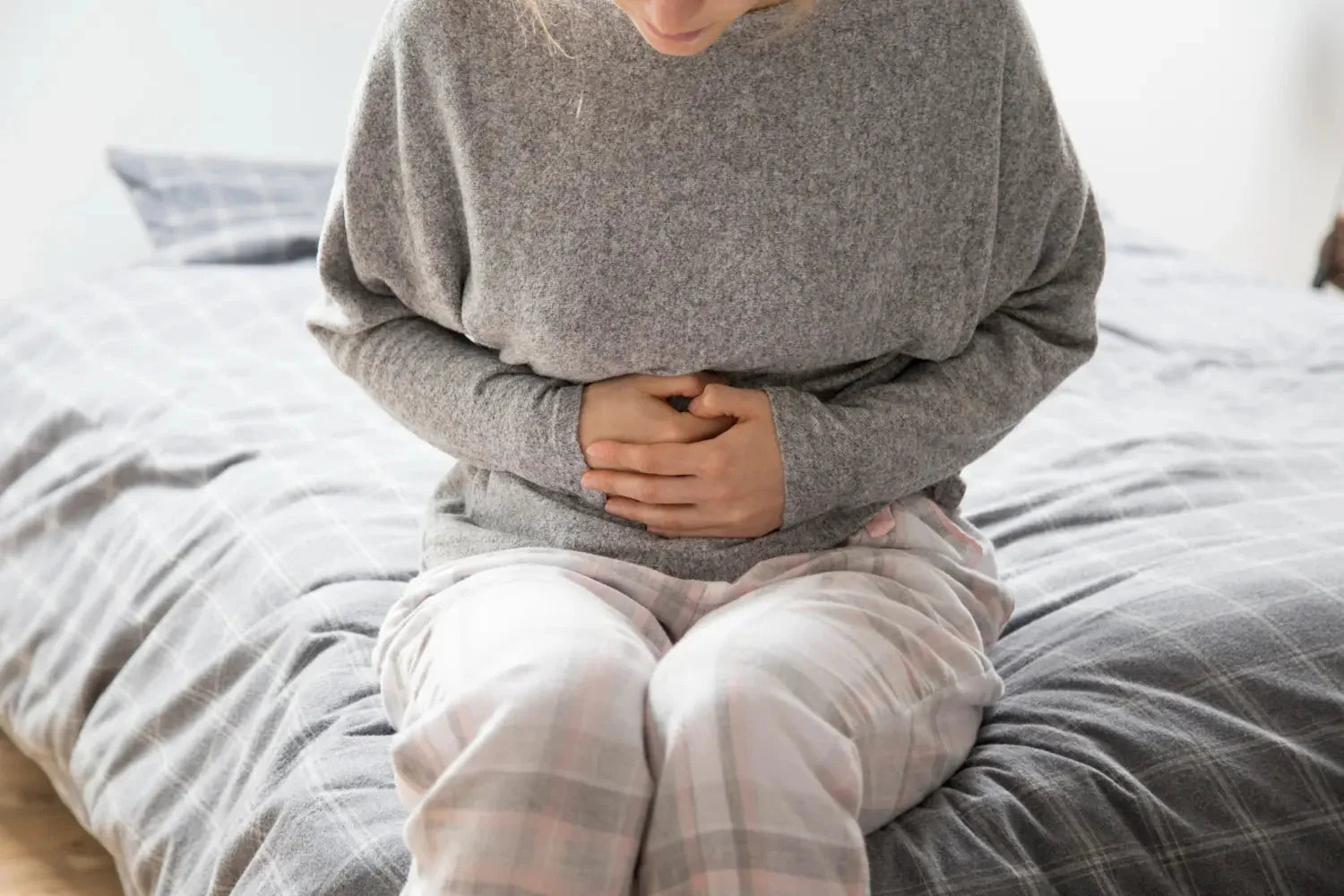
Yes, this is a well-known and often poorly explained effect. During the luteal phase (second half of the cycle), progesterone slows intestinal transit and promotes water retention in the tissues. The result: a bloated abdomen, a sensation of heaviness and sometimes uncomfortable bloating.
This phenomenon is physiological and cyclical. It generally eases with the onset of menstruation. In cases of chronic or severe bloating, a medical consultation can help rule out other causes.
Supporting overall hormonal balance and taking care of the gut microbiome are two levers that can help reduce everyday discomfort.

How can you act on your hormonal balance to restart weight loss?
As you will now understand, the aim is to restore a good balance between oestrogens and progesterone — and to do this, most often, to contain the amount of oestrogen present in the body. And of course to continue eating healthily and moving every day!
- Hormonal detox
We discussed this at length in this article: hormonal detoxification, a prerequisite in naturopathy. This is crucial for maintaining oestrogen levels proportional to those of progesterone. Indeed, at the arrival of menstruation, oestrogen secretion ceases and those in circulation must be eliminated. Your liver is responsible for this task. So take care of it so that it can perform this function as effectively as possible and avoid oestrogen overload with all the discomforts that come with it. Do not overload it with fats, sugars or alcohol, and warm it with a hot water bottle — particularly in the evening after dinner. Products, notably plant-based ones, can help.
- Managing stress
It is also important to manage stress effectively. Because it affects what we feel like eating and how sugar is stored, but also because the production of cortisol — its regulatory hormone — competes with the production of progesterone. They share a common precursor: cholesterol. Under stress, cholesterol is preferentially directed towards cortisol synthesis at the expense of progesterone. The level of this latter hormone will then be too low to counterbalance the effects of oestrogens.
So breathe, release the excess through exercise or writing, take your mind off things and enjoy the present moment! You can also support yourself with nutrients and plants. One of our new products, [MY] Essentiels Sérénité, will help you better manage your stress and cravings.

- Adapting your diet
Pay attention to the glycaemic index of what you eat. The glycaemic index measures the capacity of foods to raise blood sugar levels. The sweeter the food and the longer it is cooked, the higher its glycaemic index. So choose, if your digestion allows, wholegrain or at least semi-wholegrain versions of bread, pasta and rice, and do not cook them for too long. Avoid eating a sugary product on its own — always accompany it with good fats, fibre and/or proteins. You can also swallow vinegar in water or lemon juice before a meal to lower its glycaemic impact. Be careful with drinks too: some send blood sugar levels soaring — fruit juices, certain alcoholic drinks (among the worst: cocktails and beer), and of course sodas and sweetened tea and coffee.
In parallel, favour organic produce and home cooking. Stock up on fruits and vegetables for their fibre, seasonal ones so they are packed with nutrients, and good fats (olive oil, walnut oil, rapeseed oil, sardines, mackerel, almonds...). Add prebiotics (garlic, banana, asparagus, chicory...) and probiotics (for example, a little lacto-fermented vegetables) to your plate. Limit red meat, dairy products and processed, fried and sugary foods. It is good for your hormonal balance and for the scales!
As you will now understand, weight loss is not always as simple as subtracting calories consumed from calories expended. Other factors come into play, such as the right balance between hormones. So take care of them. In addition to the benefits on your weight, you will feel better — physically and mentally!
FAQ
Which hormone causes weight gain?
There is no single hormone, but some are particularly associated with weight gain.
Cortisol (the stress hormone) is one of the main ones: in excess, it stimulates appetite, promotes sugar cravings and fat storage, especially around the abdomen.
Insulin also plays a key role: when it is elevated or poorly regulated, it promotes fat storage.
How do you know if weight gain is hormonal?
Hormonal weight gain is often recognisable by certain signs:
weight gain despite a good lifestyle, localised storage (often abdominal), cravings, fatigue or cycle irregularities.
This may indicate an imbalance in the hormones that regulate hunger, metabolism and fat storage.
The only way to confirm this remains a medical hormonal assessment.
Which female hormones influence weight?
Several female hormones directly impact weight:
- Oestrogens: influence fat distribution (hips, abdomen)
- Progesterone: acts on water retention and appetite
- Insulin: regulates blood sugar and fat storage
- Cortisol: promotes storage under stress
- Leptin: controls satiety
An imbalance between these hormones can lead to weight gain or make loss more difficult.
Which hormone promotes weight loss?
Certain hormones help burn fat and regulate weight:
- Leptin: promotes satiety
- Thyroid hormones: stimulate metabolism
- Growth hormone and testosterone: maintain muscle mass, which increases caloric expenditure
Conversely, when these hormones decline (with age or imbalance), weight loss becomes more difficult.
Sources:
INSERM — Hormones, metabolism and weight regulation
https://www.inserm.fr/dossier/hormones/
NHS — Unexplained weight gain and hormonal causes
https://www.nhs.uk/live-well/healthy-weight/
Harvard Health Publishing — Hormones and weight gain in women
https://www.health.harvard.edu/womens-health
Endocrine Society — Hormones and metabolism
https://www.endocrine.org/patient-engagement/endocrine-library
NIH (National Institutes of Health) — Obesity and endocrine function
https://www.niddk.nih.gov/health-information/weight-management
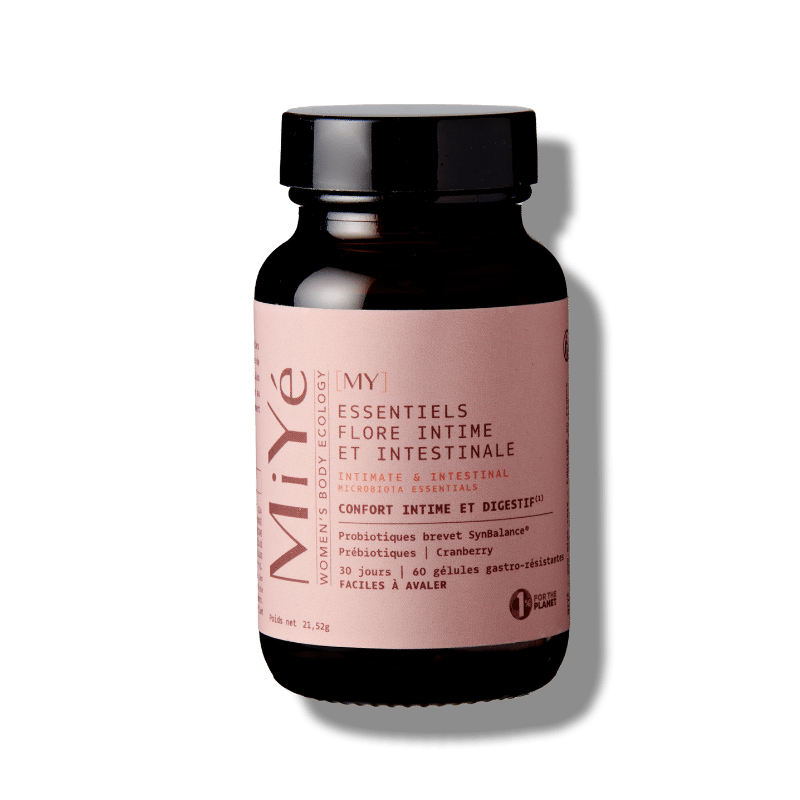
![Pilulier [MY] Essentiels équilibre féminin sur fond transparent](http://www.miye.care/cdn/shop/files/Visuels-shop-25.png?v=1747987949&width=800)
Share:
What are the benefits of silk?
How can I live better with my PCOS?
2 comments
Bonjour, dans votre cas, nous vous conseillons notre complément [MY] Essentiels Flore Intime et Intestinal pour améliorer le confort digestif.
Bonjour
Je suis ménauposée et je prends un traitement depuis 18 mois. Je n’ai plus de bouffées de chaleur mais la régulation du poids, les ballonnements et la sensation de gonflement ds tout le corps sont tjrs presents.
Quel complément me conseilleriez vous ?
Cordialement
Caroline DELUCÉ