

























Trustpilot
Search

Why is sugar an endocrine disruptor ?

Written by Caroline Lanson

Published on
Updated on
Pourquoi le sucre est un perturbateur endocrinien ?
SUMMARY
  1. How to cut down on sugar ?

Discover your hormonal profile in just a few clicks!

TAKE THE TEST

Sugar can be hard to spot in ingredient lists, with so many different names for the same ingredient.

It’s not uncommon for its presence to be indicated by a term other than “sugar”, and manufacturers use and abuse these incomprehensible synonyms to mislead consumers. This makes it very difficult to identify the presence of sugar in a product.

Sugar deregulates the hormonal systems that control satiety, leading people to eat more sugar. If cravings and sugar cravings corresponded to the time of premenstrual syndrome, this wouldn’t really be an issue.

Indeed, during this period of our cycle, a variation in estrogen and progesterone levels creates many changes within our body.

It’s essential to maintain hormonal balance throughout the cycle, to prevent premenstrual syndrome (PMS)from becoming too intense and disabling.

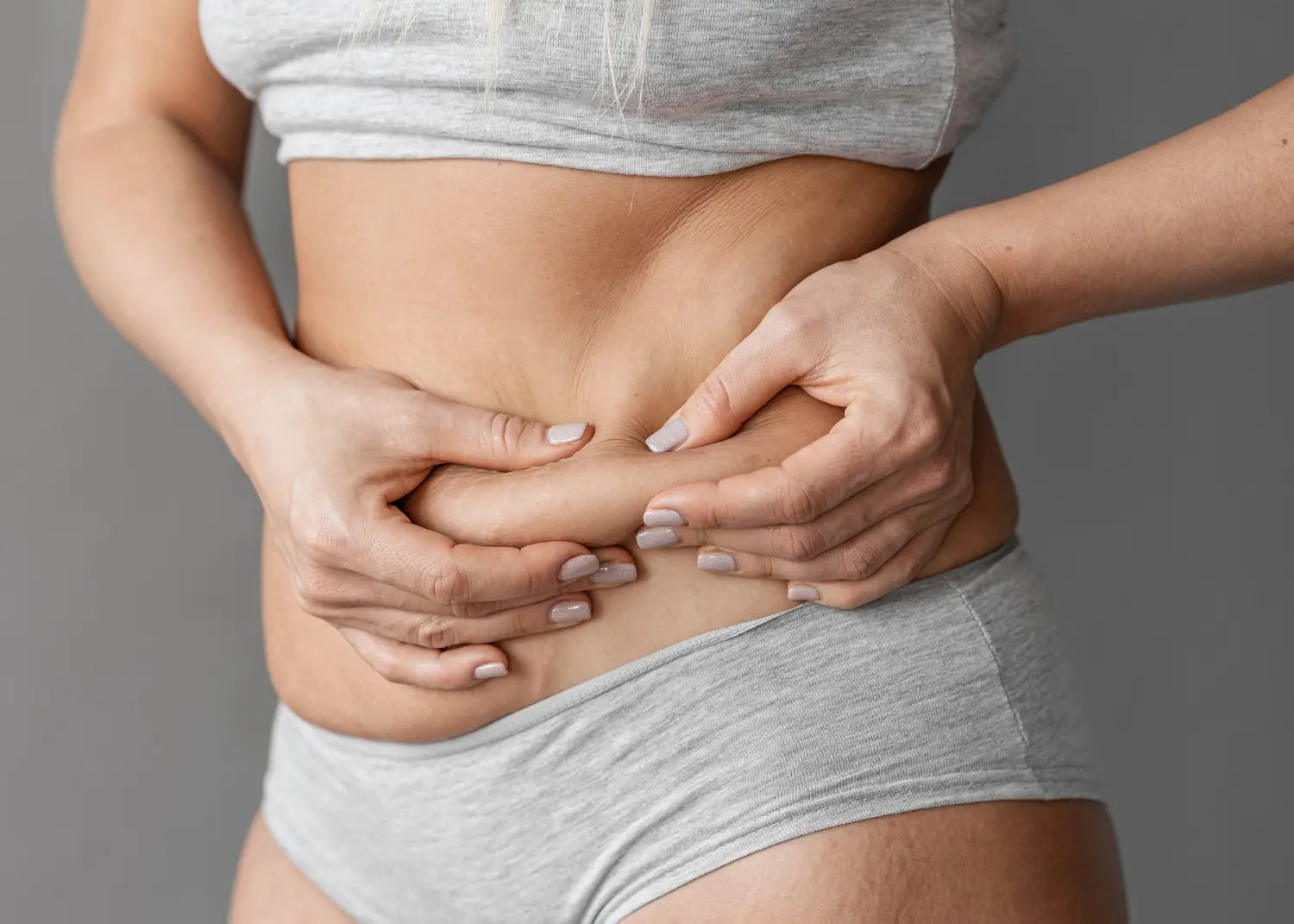
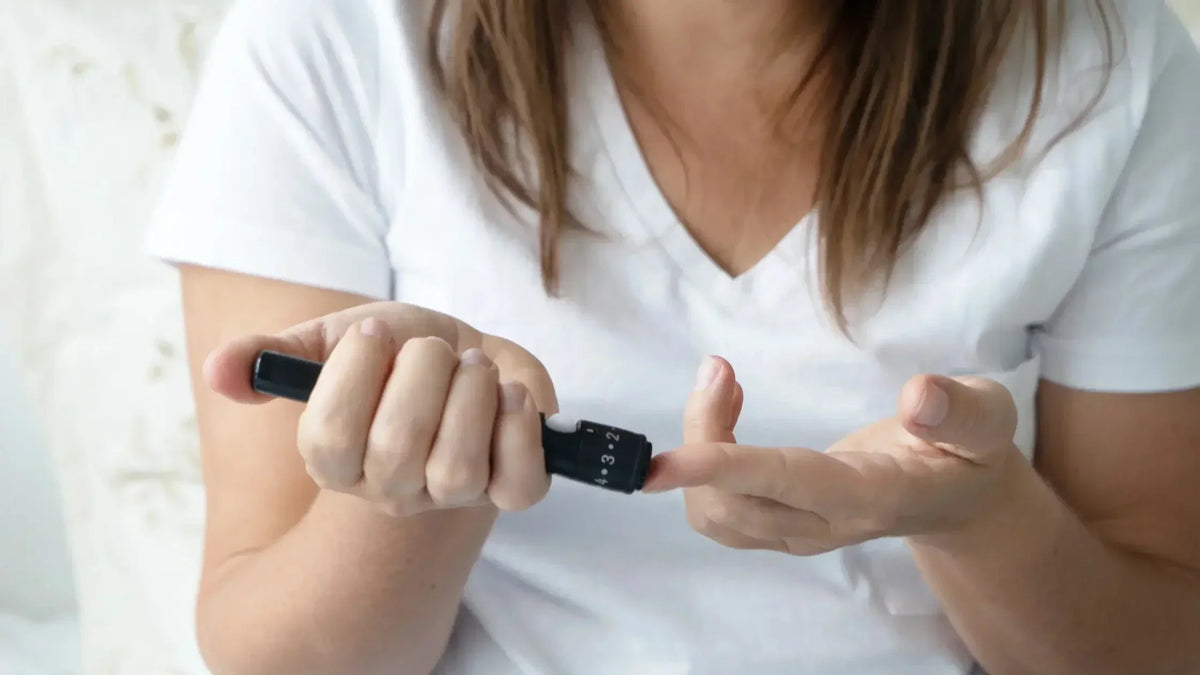
Did you know that insulin is the hormone responsible for regulating blood sugar levels? To prevent our blood sugar levels from becoming too high, insulin stores excess glucose in fat cells, which tend to be very present and resistant in the case of PCOS in particular.

Excess sugar gradually fattens the liver: hepatic steatosis (or fatty liver) is on the rise, already affecting 23% of Europeans and leading to cirrhosis.

So it’s a good idea to sort things out: 25 g or 6 teaspoons of sugar is the maximum recommended daily intake (not including milk and fresh fruit).

Find out more about sugar and its various constraints: True / False

Is brown sugar healthier than white sugar ?

Yes, because it’s unrefined, contains slightly more vitamins and minerals, and has a stronger taste, so you can use less (brown sugar, rapadura). However, the calorie count remains just as high.


Is there a better time to eat sugar ?

YES! If you really don’t want to create a blood sugar spike in the morning by drinking fruit juice or eating jam or pastries, the end of the afternoon (snack time) is the best time to allow yourself a small sugar snack, as the body is better able to metabolize it.

The sweeter a food, the higher its GI ?

The GI, or glycemic index, measures a food’s capacity to raise blood glucose levels. It depends not only on the sugar content, but also on the fiber, protein and fat content (e.g., fruit juice has a much higher GI than fruit, because fruit contains more fiber), and on the cooking method (avoid overcooking)!

For example, French fries will have a much higher GI than steamed potatoes eaten cold, which are also a source of resistant starch.


Are the worst sugars the hidden ones ?

Yes, and the bad news is that they’re found in almost all ultra-processed foods, including savoury products! (Delicatessen…) The best thing to do: opt for fresh produce and home-cook as much as possible. You can find our homemade, low-sugar and high-protein recipes in the recipe book section!

Are sweeteners a good alternative ?

No, they really aren’t!

  1. The brain is fooled by the sweet taste, and if it doesn’t think it’s had enough, it will crave more.
  2. Studies have recently shown that artificial sweeteners such as Acesulfame K and aspartame not only increase the risk of type 2 diabetes more than sweetened drinks (linked to microbiota disruption ), but also increase the risk of cancer… So stay away!

Alternatives to white sugar and sweeteners

  • Honey: high sweetness and minerals, best = acacia honey with the lowest GI (35) Birch sugar: low GI (35) and sweetness identical to sugar, but can cause bloating.
  • Agave syrup: high sweetness and low GI (19).
  • Coconut sugar: pleasant caramelized taste, minerals and moderate GI (35): our favorite for baked goods!

How to cut down on sugar ?

  • Gradually detoxify by opting for gourmet savoury dishes and avoid sugar at all costs at breakfast (protein EDP: egg, etc.).
  • Halve the amount of sugar in recipes and choose the recommended sugar alternatives
  • Twist our water or herbal teas with citrus zest, or choose sugar-free flavored drinks. Our product Infusion concentrée, with raspberry and blackcurrant leaves, Yarrow and Tarragon, is an infusion with multiple virtues.

  • A sugar-free powder to be dissolved in water, which works deep down on the root causes of metabolic blockages that slow down our bodies. Ideal for (peri)menopause or for women suffering from PCOS or hormonal imbalances.

Leave a comment

Please note, comments need to be approved before they are published.

This site is protected by hCaptcha and the hCaptcha Privacy Policy and Terms of Service apply.

RELATED ARTICLES

inconforts physiques liées aux hormonesjambes lourdes
jambes lourdes et chaleur
  • 0 comments

Heavy legs and heat: the hidden role of hormones and natural remedies

The effect of heat: to regulate its internal temperature, the body dilates blood vessels (vasodilation). This relaxation of the vein walls slows down blood return to the heart, causing pooling, swelling, and a heavy sensation in the lower limbs.

The influence of hormones: fluctuations in estrogen levels increase vascular permeability and promote water retention, making women more prone to heavy legs.

Natural remedies: physical activity, a balanced diet, dry brushing, and the use of botanical extracts offer a holistic approach to soothe inflammation and restore a feeling of lightness.

Read more

Les ingrédients et bioactifs naturels
Phytothérapie et ménopause : les plantes vraiment efficaces pour t'accompagner
  • 0 comments

Herbal medicine and menopause: the truly effective plants to support you

To address the symptoms of menopause, herbal medicine offers natural support based on plant extracts. As a dietary supplement for menopause, its aim is to gradually support hormonal balance and overall comfort, not to replace medical treatment, but to complement it in a scientifically documented manner.

Read more

Dérèglements hormonaux
comment savoir si on est ménopausée
  • 0 comments

How do you know if you're menopausal ? Symptoms, age, and tests to find out for sure

Menopause is officially confirmed after 12 consecutive months without a period, in the absence of any other cause (pregnancy, birth control pills, medical condition). If there is any doubt, particularly before age 45 or while using contraception, a blood test measuring FSH and estradiol levels can confirm the diagnosis. Several warning signs (hot flashes, irregular cycles, sleep disturbances) can be present well before this definitive cessation of menopause.

Read more

Dérèglements hormonaux
comment perdre du poids à la ménopause
  • 0 comments

Menopause and weight gain : why our body changes and how to regain balance

Menopause and weight gain are often associated as two simultaneous events. In reality, the first pounds usually appear during perimenopause, this transitional period that begins as early as 42-45 years of age, several years before menstruation ceases permanently. Even at this stage, hormonal fluctuations are already significant: cycles become irregular, estrogen levels vary erratically before gradually declining. These variations are enough to trigger a redistribution of body fat and a noticeable metabolic slowdown.

Read more

Digestion
postbiotique
  • 0 comments

Postbiotics : Everything you need to know about these compounds that are beneficial for your health

Postbiotics are molecules and fragments resulting from the activity of probiotics. Although inanimate, they exert measurable beneficial effects on the host's health. Unlike probiotics, which are live microorganisms consumed to rebalance the gut flora, postbiotics refer to preparations of inactivated bacteria or metabolites (short-chain fatty acids, peptides, polysaccharides, etc.). They interact directly with the microbiota, the intestinal mucosa, and the immune system, and, via the gut-brain pathway, influence overall well-being. Recognized by the International Scientific Association for Probiotics and Prebiotics (ISAPP), they represent an emerging and complementary approach to digestive health.

Read more

Dérèglements hormonaux
4 types de sopk
  • 0 comments

The 4 types of PCOS: how to identify yours to better treat it

Accurately identifying your PCOS subtype allows treatment to be tailored to the underlying causes: insulin resistance, adrenal hyperandrogenism, low-grade inflammation, or simply the post-pill transition. This targeted approach not only improves cycle regularity and fertility but also helps prevent metabolic and cardiovascular complications.

Read more

Dérèglements hormonauxRègles
couleur des regles signification
  • 0 comments

What do the different colors of your period mean ? Understanding your flow

The color of menstrual blood naturally changes throughout the cycle, primarily due to the amount of time the blood is exposed to oxygen and the rate at which it is expelled from the uterus. At the beginning of the flow, the blood is often bright red: it is fresh, oxygenated, and flows quickly. Later, as the flow slows, the blood remains longer in the uterus or vagina, oxidizes, and turns darker shades, such as burgundy or dark brown. Observing the color of your period helps you learn to interpret your body's signals and distinguish between what is normal and what might require medical attention.

Read more

Dérèglements hormonauxInconforts physiques liés aux hormones
Fatigue avant et pendant les règles : pourquoi votre corps s'épuise chaque mois (et comment y remédier naturellement)
  • 0 comments

Fatigue before and during menstruation: why your body gets exhausted every month (and how to remedy it naturally)

Key takeaways Fatigue during periods is hormonal: the sudden drop in estrogen and progesterone at the end of the cycle reduces energy (up to -30%) and affects around 75% of women. The cycle directly influences your energy: there is a...

Read more

Dérèglements hormonauxInconforts physiques liés aux hormones
Pourquoi mes règles empirent-elles ? Causes et solutions naturelles
  • 0 comments

Why are my periods getting worse ? Causes and natural solutions

Key takeaways Increasing inflammation : over time, the body produces more prostaglandins → stronger uterine contractions + lack of oxygen → more intense pain. Hormonal imbalance : excess estrogen vs progesterone makes the uterus more sensitive and amplifies pain (up...

Read more

Dérèglements hormonauxInconforts physiques liés aux hormones
Ménopause et brouillard mental : Qu'est-ce que le brain fog ?
  • 0 comments

Menopause and brain fog: What is brain fog ?

Menopausal brain fog, also known as mental fog, refers to the feeling of a cluttered mind, characterized by forgetfulness, difficulty concentrating, and slowed thinking. You are not alone: many women experience these symptoms during the transition to menopause, often due to the drop in estrogen levels.

Read more