






SUMMARY
- What is a hormonal imbalance?
- What are the most common hormonal disorders?
- Why do our hormones get out of balance?
- What are the main symptoms of a hormonal imbalance?
- In search of lost hormonal balance…
- How can you fix a hormonal imbalance?
- A largely underestimated public health issue
- How do you know if you have a hormonal imbalance?









































What is a hormonal imbalance?
Pollution, endocrine disruptors, constant stress… for several decades now, the female metabolism has been put under intense pressure.
Early puberty, fertility issues, hormonal acne, endometriosis, hypothyroidism… female hormonal disorders seem to have exploded in recent years.

“Female endocrine disorders have reached alarming proportions in recent years…”
This is what I’ve heard many times when speaking with experts from different fields (gynaecologists, GPs, endocrinologists, naturopaths, nutritionists…). And it’s worrying!
It is estimated that 6 million people suffer from thyroid disorders in France alone.
But first, let’s talk about “hormones”: what does this word mean to you? 🧐
Overly muscular athletes? Aggressive behaviour? Crude jokes?
Hormones often seem like a marginal or even taboo part of our physiology… when in reality they are central to our wellbeing!
Hormones are the messengers, the “conductors” of our body.
When one hormone plays out of tune, the whole body’s symphony is disrupted: in the short term, our wellbeing is affected (mood, weight gain…), and in the long term, many health problems can appear.
That’s why it’s so important to identify and correct imbalances as early as possible.
What are the most common hormonal disorders?
Hormonal imbalances affect women in particular.
In women on the pill especially, some imbalances can be masked for a while (irregular cycles, etc.).
The most common female hormonal disorders involve:
– sex hormones
– thyroid hormones
“In adulthood, it’s estimated that 7.5% of women are affected by a thyroid disorder, compared with just under 3% of men,” notes endocrinologist Pierre Nys.
“After age 60, these figures rise to 12% for women and 4% for men.”
Women are therefore particularly affected during periods of hormonal fluctuation: pregnancy, breastfeeding, perimenopause and menopause.
Why do our hormones get out of balance?
Most of the time, there is no single direct cause (although heredity or a tumour can play a role).
However, more and more attention is being paid to endocrine disruptors.
A survey by the magazine *60 Millions de Consommateurs* (May 2017) revealed that no fewer than 23 to 54 different disruptors were found in the hair of children aged 10 to 15!
In the long term, these molecular cocktails can interfere with thyroid function.
What are the main symptoms of a hormonal imbalance?
Hypothyroidism, hyperthyroidism, polycystic ovary syndrome, estrogen dominance, difficult menopause… certain signs are telling:
– mood swings, irritability
– digestive issues
– persistent fatigue
– decreased libido
– hair loss
– thinner hair, brittle nails
– rebound acne
– feeling cold easily or excessive sweating
– sleep disturbances
– rapid weight changes without lifestyle changes.
HYPERTHYROIDISM
Palpitations, nervous overstimulation, rapid weight loss without dieting, diarrhoea, difficulty falling asleep… when combined, these symptoms may indicate hyperthyroidism (an overactive thyroid).
HYPOTHYROIDISM
Conversely: rapid weight gain, feeling cold, low mood, constipation, muscle cramps and deep fatigue may suggest hypothyroidism: the thyroid is sluggish and no longer produces enough hormones.
More than 10% of women over 45 are affected — and many remain undiagnosed.
ESTROGEN DOMINANCE
This is one of the most common situations in young women: an excess of estrogen relative to progesterone.
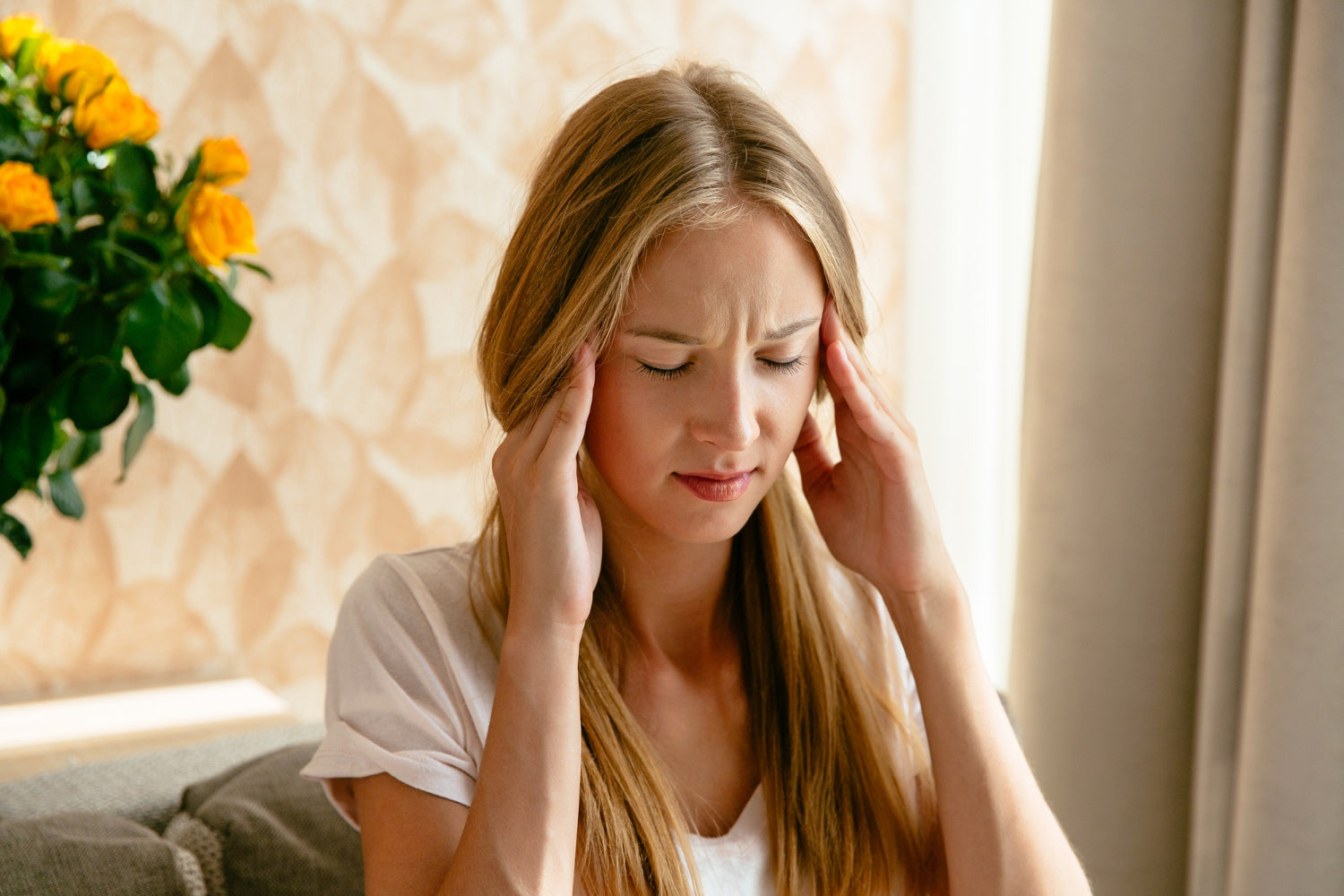
Main symptoms: irritability, restlessness, breast tenderness, water retention, headaches, sugar cravings, sleep disturbances, cold hands and feet.
Possible causes include:
– xenoestrogens (pollution, cosmetics, plastics…)
– birth control pill
– unbalanced diet
– chronic stress → excess cortisol → relative progesterone deficit.
POLYCYSTIC OVARY SYNDROME (PCOS)
Very common: it affects 1 in 10 women of childbearing age.
Linked to an excess of androgens produced by the ovary.
Main symptoms: excess hair growth, hair loss, irregular cycles, persistent acne.
MENOPAUSE
With age, hormone production becomes more erratic.
Menopause marks the depletion of estrogen and progesterone.
Common symptoms: dryness, irritability, hot flushes, hair loss, brain fog…
These issues can appear up to 10 years before menopause.
TREATING THE “TERRAIN”
75% of our hormonal balance depends on our lifestyle.
Stress, sleep, diet, physical activity: everything counts.
Experts remind us that hormonal treatment can sometimes worsen an imbalance if the terrain isn’t balanced first (e.g. high cortisol → brain becomes less sensitive to estrogen).
We deeply believe that it’s the terrain that must be treated to restore hormonal balance in a lasting way.
In search of lost hormonal balance…
Rest assured: even if they are uncomfortable, most hormonal imbalances do not necessarily lead to disease.
However, some persistent disorders (e.g. insulin resistance) can lead to complications (diabetes, obesity…).
There is no miracle pill.
The most important things are: treating the terrain, spotting early signs, and adopting a healthy lifestyle.

How can you fix a hormonal imbalance?
1. Learn to better manage stress
Cardiac coherence, yoga, meditation, herbal medicine… choose what works for you!
Learning to know yourself and to calm yourself is essential.
2. Eat a varied and balanced diet
Avoid eating the same food more than twice a week and vary the colours on your plate!
3. Avoid the major pollutants that scramble hormonal communication
Tobacco, pesticides, non-organic meat/dairy, plastics, non-clean cosmetics…
Discover how to avoid endocrine disruptors.
What exactly is an endocrine disruptor?
Thousands of molecules that have appeared over the last 50 years (plastics, pesticides, synthetic hormones…) interfere with our hormone receptors by mimicking our natural hormones.
In short: “fake keys” that disrupt our biological systems.
More info: Endocrine disruptors.
A largely underestimated public health issue
Fortunately, natural solutions do exist, and the body can return to balance if we give it the means early enough.
How do you know if you have a hormonal imbalance?
If in doubt, consult a doctor.
If you have several symptoms, a healthcare professional can identify the hormone involved, prescribe tests and suggest appropriate treatment.
MiYé does not replace medical advice.

Share:
Hormonal balance and digestion
Why is sugar an endocrine disruptor ?