





SUMMARY
- What is hyperestrogenism?
- The causes of hyperestrogenism: why does it occur?
- The symptoms of hyperestrogenism: how to recognize them?
- The consequences of hyperestrogenism on women's health
- Strategies for regulating hyperestrogenism and rebalancing your hormones
- FAQ on hyperestrogenism and hormonal balance
- Sources
Hyperestrogenism = excess estrogens (or imbalance with progesterone), which disrupts the menstrual cycle and intensifies PMS.
Main causes: endocrine disruptors, hormonal disorders (PCOS, endometriosis), poor diet, stress, hormonal treatments and excess weight.
Common symptoms: heavy periods, breast tenderness, weight gain, fatigue, irritability, acne and digestive issues.
Long-term risks: infertility, fibroids, endometriosis and hormone-dependent cancers (breast, uterus).
What is hyperestrogenism?
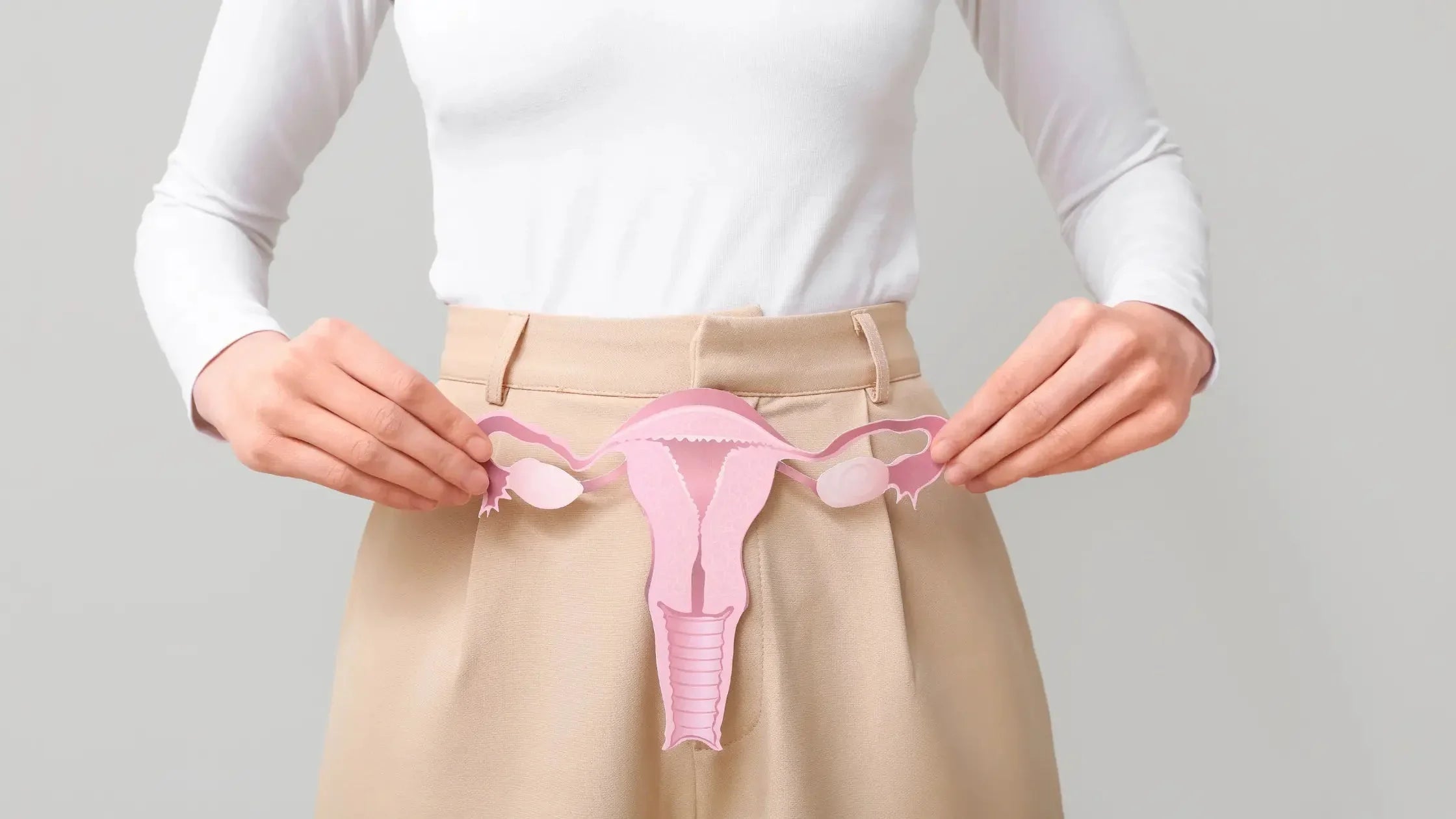
Hyperestrogenism refers to an excess of estrogens in the female body. This can be an absolute surplus or a hormonal imbalance, when estrogen levels are too high relative to those of progesterone. These hormones play an essential role in the menstrual cycle, particularly in the regulation of pre- and post-ovulatory phases. Hyperestrogenism can lead to cycle disturbances, such as heavy periods, disorders during the post-ovulatory phase, or an intensified premenstrual syndrome.
It is important to differentiate natural estrogens, produced mainly by the ovaries, from synthetic estrogens. The latter are present in certain hormonal treatments or come from endocrine disruptors present in the environment. These substances can disrupt the hormonal system by accumulating in adipose tissue, thereby overloading the liver's elimination capacity. This disrupts the entero-hepatic cycle and promotes an excess of estrogens.
Hyperestrogenism can occur for several reasons: an overproduction of estrogens, an insufficiency of progesterone to counterbalance these hormones, or a reduction in the liver's elimination of estrogens, often linked to hepatic detoxification disorders. Furthermore, this excess can be worsened by poor lifestyle habits, frequent exposure to endocrine disruptors, or certain conditions such as polycystic ovary syndrome (PCOS) or endometriosis.
Understanding this dynamic is essential for identifying menstrual cycle disorders and their symptoms, thereby enabling better adapted management.

The causes of hyperestrogenism: why does it occur?
Hyperestrogenism does not occur by chance. It often results from a combination of factors linked to lifestyle, environment or hormonal disorders. Here are the main causes to be aware of in order to better understand this hormonal imbalance.
- Exposure to endocrine disruptors: The daily environment is full of chemical substances that mimic estrogens, such as certain plastics (bisphenols, phthalates), cosmetics, pesticides or household products. These endocrine disruptors can accumulate in the body and permanently disrupt hormonal balance, artificially increasing the presence of estrogens, even when cycles remain regular.
- Hormonal disorders (PCOS, endometriosis): Certain female conditions promote hyperestrogenism. Polycystic ovary syndrome (PCOS) and endometriosis are associated with anovulatory cycles that lead to progesterone insufficiency, accentuating the estrogen/progesterone imbalance. Hypothyroidism, by slowing down metabolism, can also limit hormonal elimination and contribute to excess estrogens.
- Diet and lifestyle: An unbalanced diet, rich in refined sugars, saturated fats, dairy products or meat from intensive farming (often laden with hormones or disruptors), can promote estrogenic overload. Deficiencies in essential nutrients (B vitamins, magnesium, zinc, iodine) weaken the liver, the key organ for estrogen detoxification, and complicate their elimination. Chronic stress as well as excessive consumption of alcohol or coffee are also aggravating factors, as they burden the liver and disrupt menstrual cycles.
- Hormonal treatments and contraception: Certain combined oral contraceptives, menopausal hormone replacement therapy (HRT) or assisted reproduction protocols (IVF, ovarian stimulation) introduce synthetic estrogens which, when poorly dosed or inadequately eliminated, can increase hyperestrogenism. Abruptly stopping the pill can also disrupt hormonal balance and reveal a relative excess of estrogens.
- Excess weight and adipose tissue: Adipose tissue is a veritable "factory" for estrogens. In cases of excess weight or obesity, estrogen production increases, accentuating the hormonal imbalance, especially if liver activity is impaired and hormonal elimination is slowed.
- Other aggravating factors: Early puberty, late menopause, chronic inflammation, hepatic or intestinal disorders, absence of breastfeeding, and certain genetic predispositions can also contribute to hyperestrogenism. These factors illustrate the diversity of possible causes and the need for a holistic approach to restore hormonal balance.
Understanding these causes makes it possible to act on several fronts, whether related to lifestyle, environment or medical management, to better support and manage hyperestrogenism on a daily basis.
The symptoms of hyperestrogenism: how to recognize them?
Recognizing hyperestrogenism is not always straightforward. The clinical signs can be varied, sometimes subtle, and many women do not suspect that a hormonal imbalance is at the root of their disorders. Here are the most characteristic symptoms to watch for in order to identify a possible estrogen dominance in your cycle.
- Heavy and painful periods: If your periods become painful, longer, heavier or even hemorrhagic, and are accompanied by intense pain, this may indicate an excess of estrogens relative to progesterone. These menstrual cycle disorders often manifest in the post-ovulatory phase, when hormonal balance is disrupted.
- Breast tenderness and swelling: A tight, tender chest, or swollen breasts, particularly before or during periods, is a common symptom in women experiencing hyperestrogenism. This breast sensitivity is often associated with a more pronounced premenstrual syndrome (PMS).
- Weight gain and water retention: An excess of estrogens can promote fat storage, particularly around the hips and abdomen, and lead to water retention. This can manifest as heavy legs, edema or a weight increase visible on the scale. This weight gain is often localized and difficult to lose, even with a healthy lifestyle.
- Fatigue, irritability and mood swings: Hyperestrogenism can also disrupt your emotional balance. You may experience persistent fatigue, unusual irritability, anxiety or mood fluctuations, particularly in the second half of the cycle or during the premenstrual period.
- Skin problems: Oilier skin, the appearance of acne or blemishes around the time of periods, as well as skin rashes, are common signs of a hormonal imbalance between estrogens and progesterone.
- Changes in cervical mucus: When observing your cycle, you may notice an abundance of cervical mucus and a prolonged sensation of slipperiness. This can be a sign of an extended fertile window, but also of an excess of estrogens in the pre-ovulatory phase.
- Digestive issues: Bloating, constipation or a sensation of digestive heaviness can also accompany hyperestrogenism, particularly during premenstrual syndrome.
- Decreased libido: A loss of sexual desire can occur due to the hormonal imbalance and associated fatigue.
- Appearance of cysts, fibroids or fertility disorders: Some women may develop ovarian cysts, fibroids or encounter difficulties conceiving, particularly if hyperestrogenism becomes chronic.
If several of these symptoms apply to you, it is advisable to consider an assessment of your hormonal balance, in particular the estrogen/progesterone ratio. Appropriate medical monitoring and good lifestyle habits can help you regain better everyday comfort.
The consequences of hyperestrogenism on women's health
Hyperestrogenism can have a profound and varied impact on the general and reproductive health of women. On a gynecological level, this excess of estrogens promotes the development of conditions such as endometriosis, characterized by excessive proliferation of endometrial tissue outside the uterus, causing pain and complications. Similarly, it can increase the risk of uterine fibroids and polyps appearing, which disrupt uterine health and lead to heavy and painful periods.
In terms of fertility, hyperestrogenism can lead to irregular cycles, absent or poor-quality ovulations, particularly in connection with polycystic ovary syndrome (PCOS), thereby complicating conception. This hormonal imbalance, often worsened by a relative insufficiency of progesterone, directly affects the preparation of the uterus for implantation and disrupts the regularity of the menstrual cycle.
Beyond reproductive disorders, epidemiological data have highlighted a link between prolonged exposure to estrogens and certain hormone-dependent cancers (breast, uterus). These observations underline the importance of regular medical monitoring. For any questions about your health, consult your doctor, particularly when hepatic detoxification is insufficient or when the excess of estrogens is chronic.
Systemic consequences should not be overlooked: hyperestrogenism is often associated with weight gain, particularly in adipose tissue around the abdomen and thighs, as well as persistent water retention. These metabolic disorders increase the risk of cardiovascular disease and can induce chronic fatigue, digestive issues and a negative impact on overall quality of life.
Finally, this hormonal state promotes emotional symptoms such as mood swings, irritability, a drop in libido, or even anxiety or depressive disorders, thereby contributing to significant psychological distress.
In summary, beyond immediate symptoms, hyperestrogenism creates an environment conducive to serious medical complications, thereby underscoring the need for appropriate management to limit these harmful effects on women's health.

Strategies for regulating hyperestrogenism and rebalancing your hormones
- To support the body in the face of hyperestrogenism and restore hormonal balance, several natural strategies can be implemented, centered around diet, lifestyle and adapted supplementation.
- Balanced and detoxifying diet: Cruciferous vegetables such as broccoli, cauliflower and Brussels sprouts are particularly effective for supporting the hepatic detoxification of estrogens thanks to their richness in sulfur compounds. Dietary fiber, present in fruits, vegetables, whole grains and seeds (chia, flaxseed, sesame), promotes the elimination of estrogens via the entero-hepatic cycle by binding bile salts, thereby reducing their reabsorption. It is also advisable to favor healthy fats, particularly from oily fish, avocados and quality vegetable oils, while limiting refined sugars and ultra-processed foods that disrupt hormonal balance.

- Stress management and lifestyle: Chronic stress increases the production of cortisol, a hormone that can disrupt the hormonal system and worsen estrogen dominance. Incorporating practices such as meditation, yoga or breathing exercises helps regulate hormones.
- Regular physical activity improves blood circulation, stimulates metabolism and promotes the elimination of excess hormones, while helping to maintain a healthy weight, an important factor in controlling estrogens produced by adipose tissue.
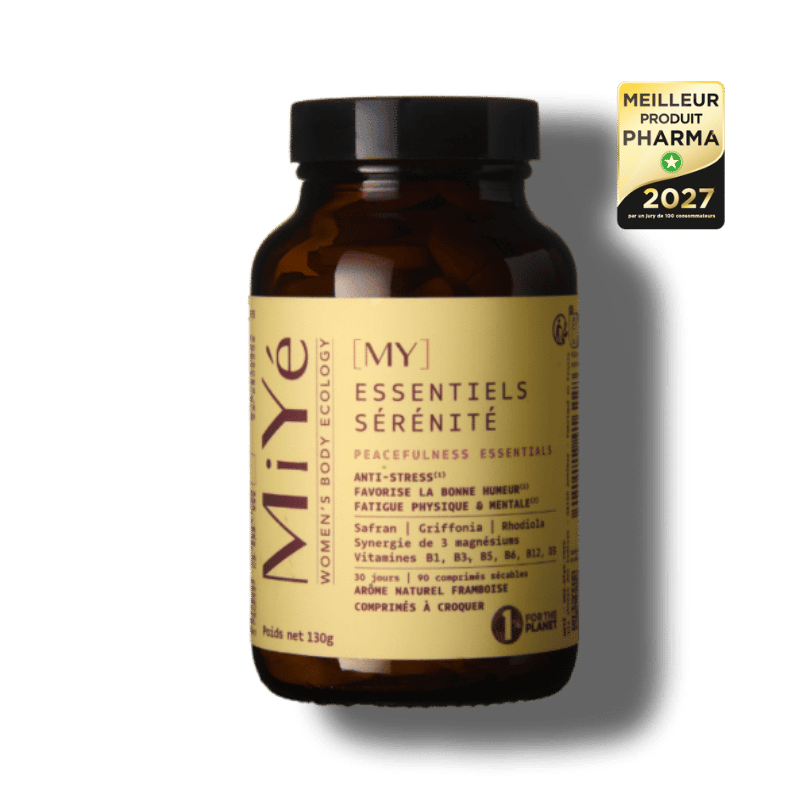
- Targeted natural supplementation: Certain food supplements, such as those offered by the MiYé range, contain a blend of medicinal plants and nutrients to support hepatic detoxification and the elimination of estrogens. For example, complexes based on milk thistle help the liver filter hormones more effectively, while vitex (chaste tree) acts as a hormonal regulator.
Other ingredients such as green tea polyphenols, B vitamins, magnesium and sulfur (present in garlic and green vegetables) effectively support this approach.
- Menstrual cycle regulation: Promoting a good balance between estrogens and progesterone is essential. To this end, reviewing one's overall lifestyle and supporting the liver often helps improve the post-ovulatory phase, thereby reducing the symptoms of premenstrual syndrome (PMS) and the relative estrogen dominance that results. In some cases, support from a healthcare professional may be necessary to balance hormones through specific or natural adapted approaches.
By combining these approaches — healthy diet, stress management, targeted supplementation and attention to the cycle — you can effectively reduce excess estrogens, improve your hormonal well-being and limit the complications linked to hyperestrogenism.

FAQ on hyperestrogenism and hormonal balance
What are the symptoms of hyperestrogenism to watch for?
The symptoms of hyperestrogenism include heavy and painful periods, localized weight gain around the hips and abdomen, breast pain or tension, irritability and mood swings. You may also notice skin problems such as acne, digestive issues, and water retention visible as heavy legs. Premenstrual syndrome (PMS) is often intensified in cases of hyperestrogenism.
How to naturally regulate estrogen levels?
To naturally regulate estrogen levels, several approaches can be adopted:
– Opt for a diet rich in cruciferous vegetables, such as broccoli and cabbage, which support hepatic detoxification.
– Reduce exposure to endocrine disruptors present in household products, cosmetics and plastic containers.
– Adopt regular physical activity and practice stress management techniques to support hormonal balance.
– Consider supplementation with plants, such as milk thistle, which support the liver in its role of detoxifying estrogens.
Can hyperestrogenism cause fertility problems?
Yes, hyperestrogenism can lead to fertility complications. An excess of estrogens can disrupt menstrual cycles, cause irregular ovulations, or even ovulatory disorders, making conception more difficult.
Furthermore, it promotes the appearance of ovarian cysts, some of which may be linked to conditions such as polycystic ovary syndrome (PCOS), which also affects fertility.
When should you consult a healthcare professional?
It is essential to consult a healthcare professional if you experience several symptoms of hyperestrogenism, particularly abnormally heavy or painful periods, changes in your mood or libido, or difficulties conceiving. A hormonal assessment can help identify an imbalance and determine the best regulation strategy.
Furthermore, in cases of fibroids, suspicious cysts, or persistent abdominal pain, a medical consultation is essential to assess your health and establish appropriate support.
Sources
The information presented in this article is based on various reliable scientific and medical sources. These include in particular studies on hormonal imbalances such as hyperestrogenism, as well as reputable health resources. These references help inform readers on this essential topic for women's health.
ANSES (2011), Endocrine disruptors: state of knowledge and research needs:
https://www.anses.fr/fr/content/perturbateurs-endocriniensEFSA (2016), Guidance on the assessment of endocrine disruptors:
https://www.efsa.europa.eu/en/efsajournal/pub/4384Oseni T. et al. (2008), Selective estrogen receptor modulators and phytoestrogens. Planta Medica, PubMed:
https://pubmed.ncbi.nlm.nih.gov/18651337/Cornwell T. et al. (2004), Dietary phytoestrogens and health. Phytochemistry:
https://pubmed.ncbi.nlm.nih.gov/15301239/EMA, Monograph Vitex agnus-castus (chaste tree), premenstrual disorders:
https://www.ema.europa.eu/en/medicines/herbal/agni-casti-fructusINCa (French National Cancer Institute), Hormone-dependent cancers:
https://www.e-cancer.fr/Patients-et-proches/Les-cancers/Cancer-du-sein
To explore these subjects further, these resources constitute an excellent starting point for a more detailed and enriching exploration.


![Pilulier [MY] Essentiels équilibre féminin sur fond transparent](http://www.miye.care/cdn/shop/files/Visuels-shop-25.png?v=1747987949&width=800)
Share:
Organic Ashwagandha KSM-66: What are its benefits?
Dry skin: causes, signs and effective solutions