




A FREE product of your choice from 80€ of purchase
Search

Water retention and excess estrogen: What's the natural treatment?

Written by Caroline Lanson

Published on
Updated on
visuel rétention d'eau
SUMMARY
  1. Understand and act
  2. Causes of water retention
  3. Excess estrogen: the link with water retention
  4. Discover natural solutions
  5. conclusion

Discover your hormonal profile in just a few clicks!

TAKE THE TEST

Understand and act

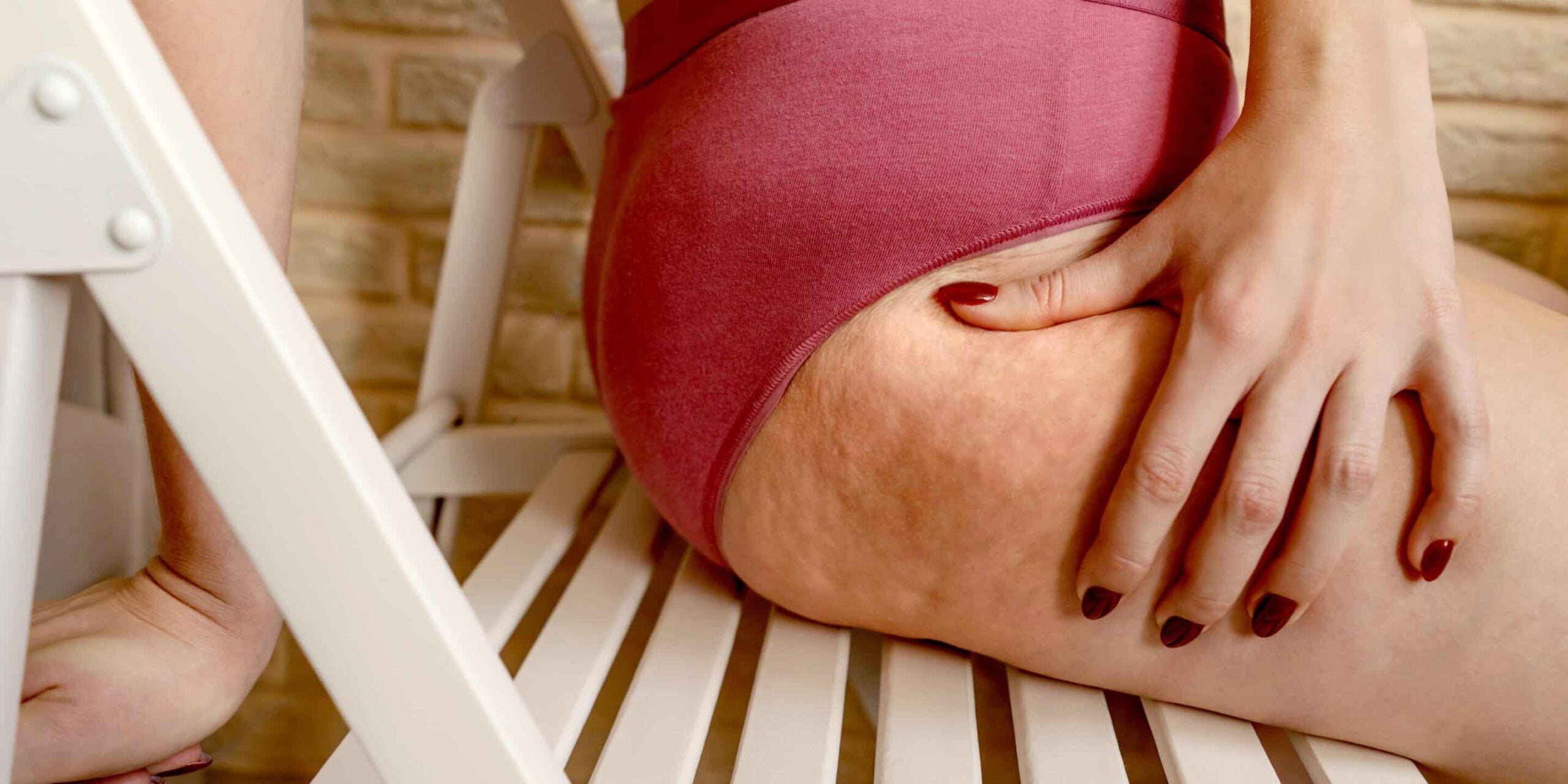
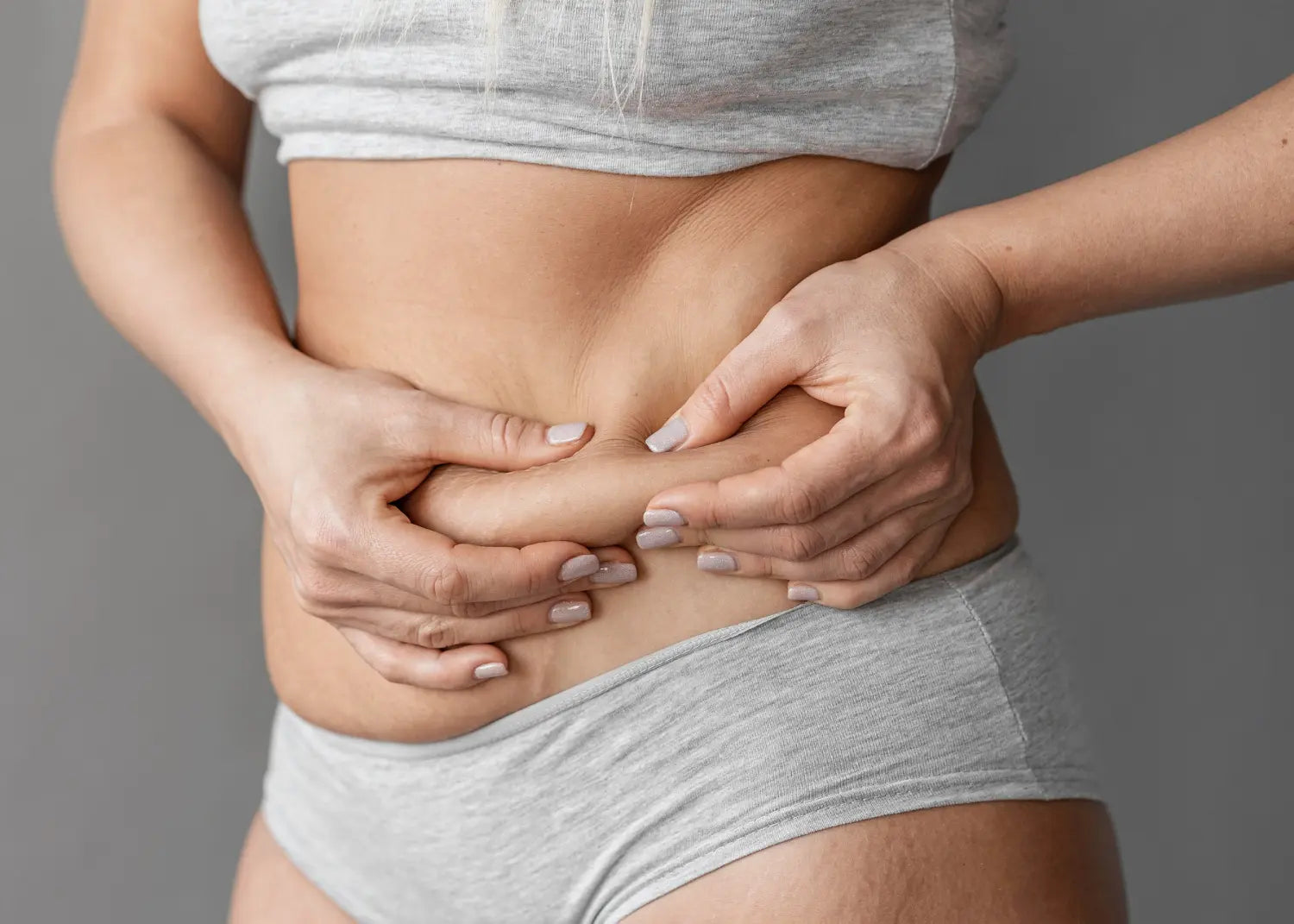
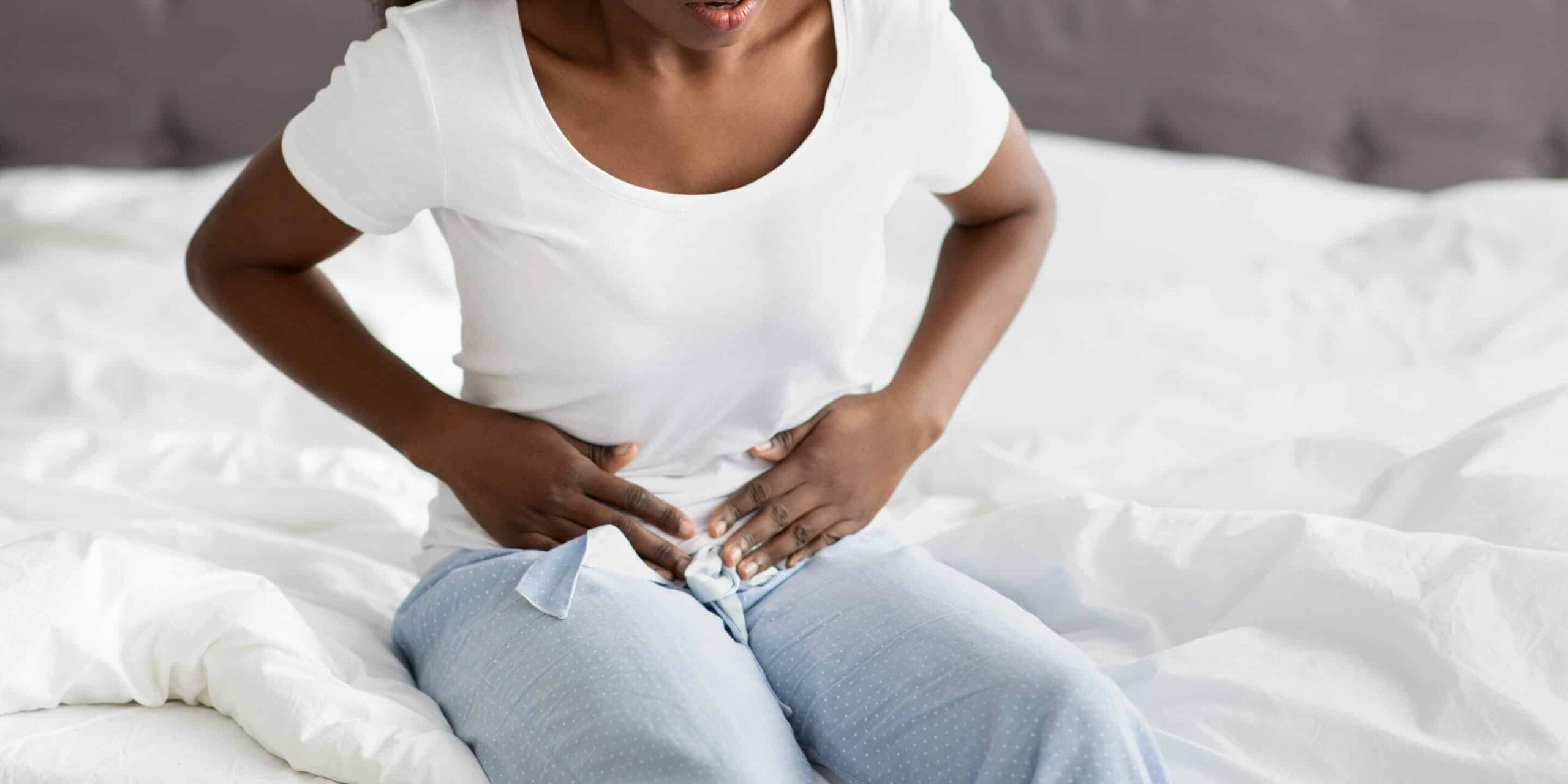
Water retention occurs when there is an accumulation of water in body tissues, leading to swelling. It occurs mainly in areas such as the fingers, thighs, stomach and legs.

Water retention, often linked to excessive estrogen , can be a source of discomfort. Here are some practical tips to help you understand and overcome the problem.

women's legs

Causes of water retention

Several factors can contribute to water retention :

  • Hormonal imbalance:

Hormonal fluctuations , particularly an excess of estrogen, can influence water retention. This is common during certain periods such as menstruation and menopause .

  • Diet:

Excessive sodium (salt) intake can lead to water retention. Similarly, an unbalanced diet can influence fluid levels in the body.

  • Prolonged posture:

Standing or sitting for long periods can compromise blood circulation, leading to fluid accumulation.

  • Circulatory problems:

Circulation disorders, such as venous insufficiency, can contribute to water retention.

  • Pregnancy:

Hormonal changes and increased weight can increase the likelihood of water retention in pregnant women.

  • Medications:

Certain medications, such as antidepressants and anti-inflammatories, can cause water retention as a side effect.

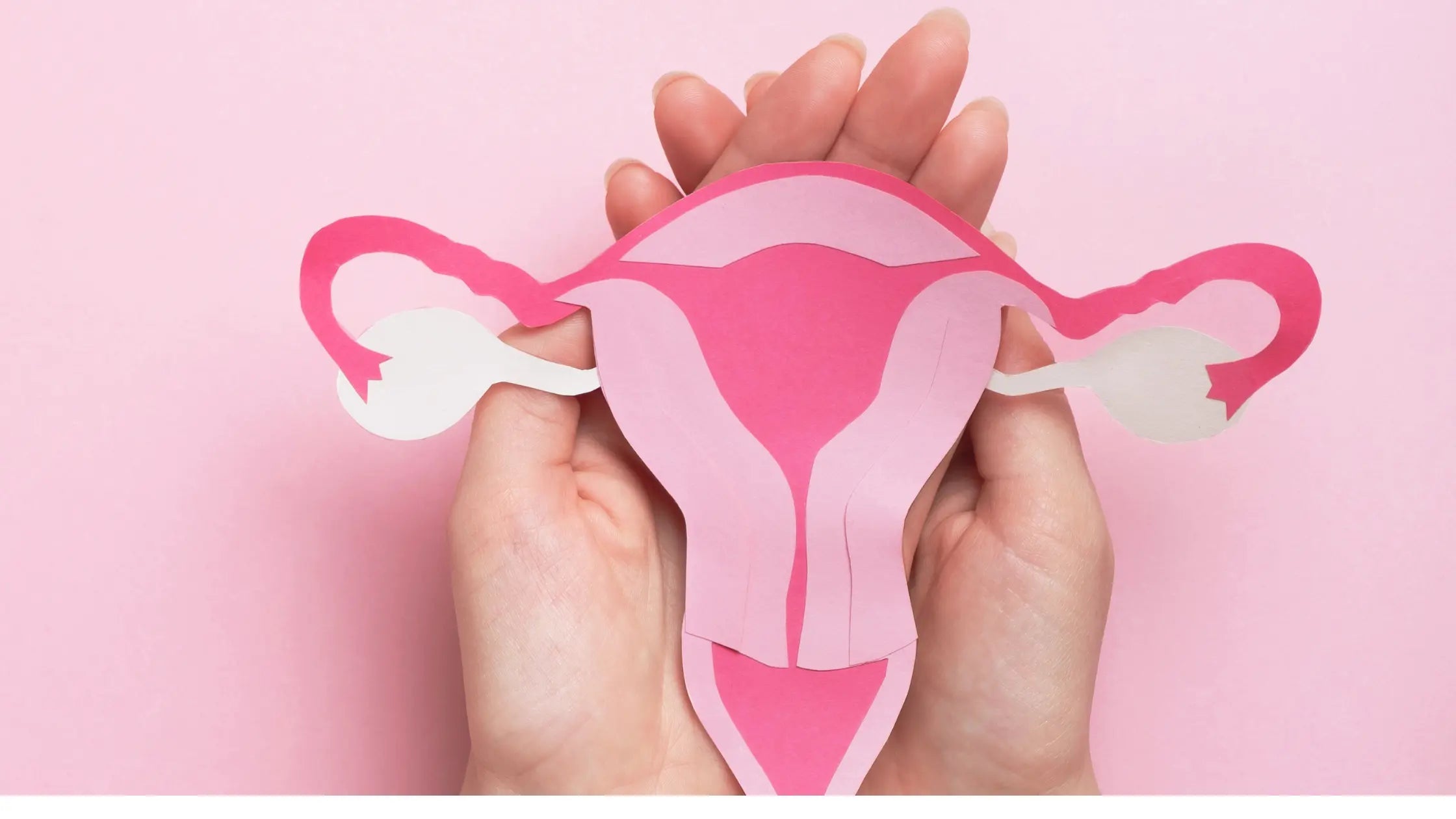
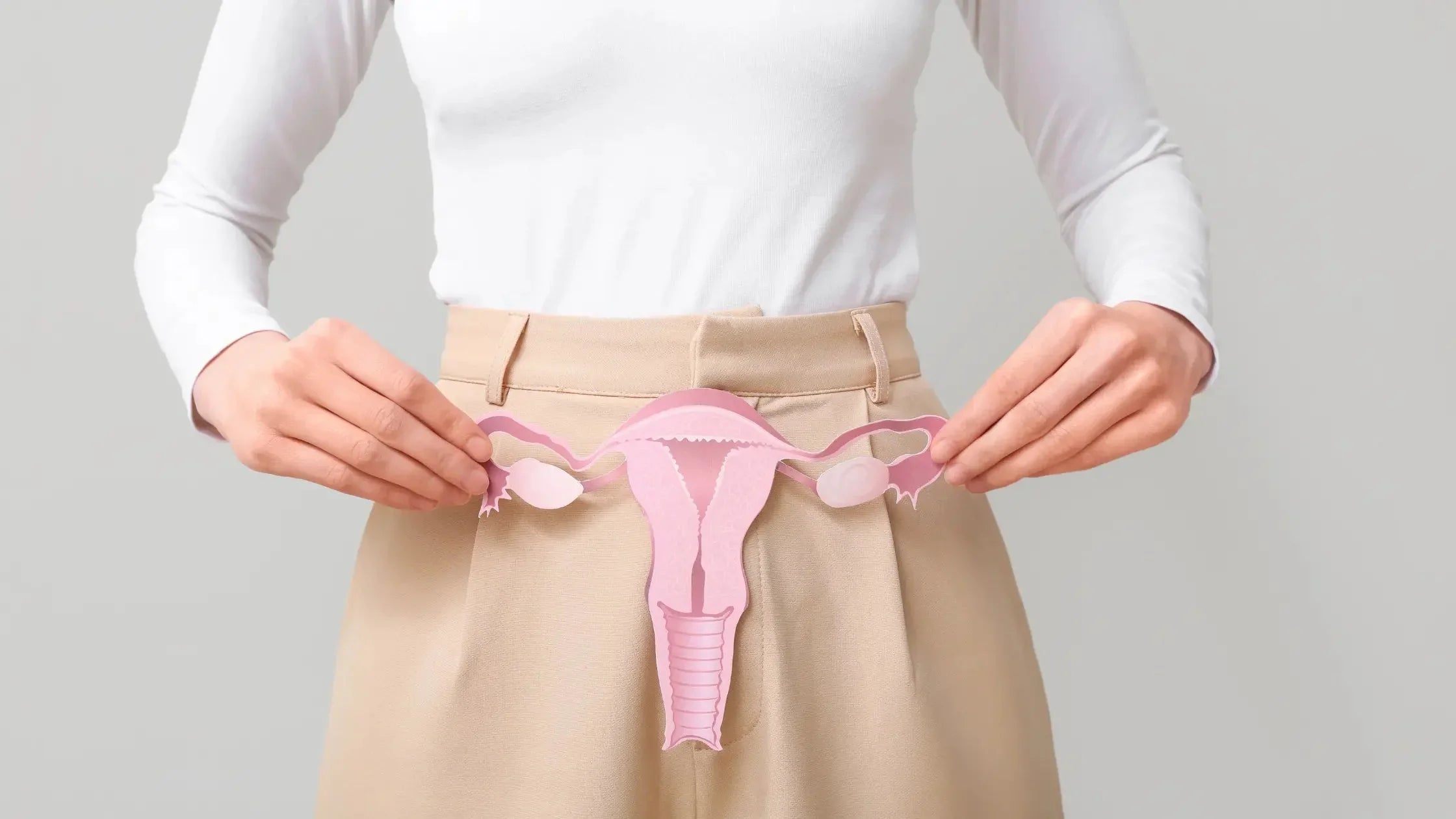
Estrogens , essential hormones in the female body, play a crucial role in regulating various physiological processes. However, an excess of these hormones can sometimes upset the water balance, contributing to water retention. This often occurs during hormonally sensitive periods such as menstruation or menopause.

Several factors can lead to excess estrogen, including natural hormonal fluctuations, thyroid gland disorders, or exposure to endocrine-disrupting chemicals in the environment.

women's hands

Discover natural solutions

Hydration:

Make sure you drink enough water throughout the day. This keeps body fluid moving, which is essential for efficient lymphatic circulation.

Regular walking:

Walking is a great way to activate lymphatic circulation. Try to walk regularly and adopt an energetic cheerfulness.

Draining self-massage:

Simple techniques to stimulate lymphatic circulation and reduce water retention. Use slow, circular movements with the palms of your hands, especially on areas such as the ankles, knees and thighs.

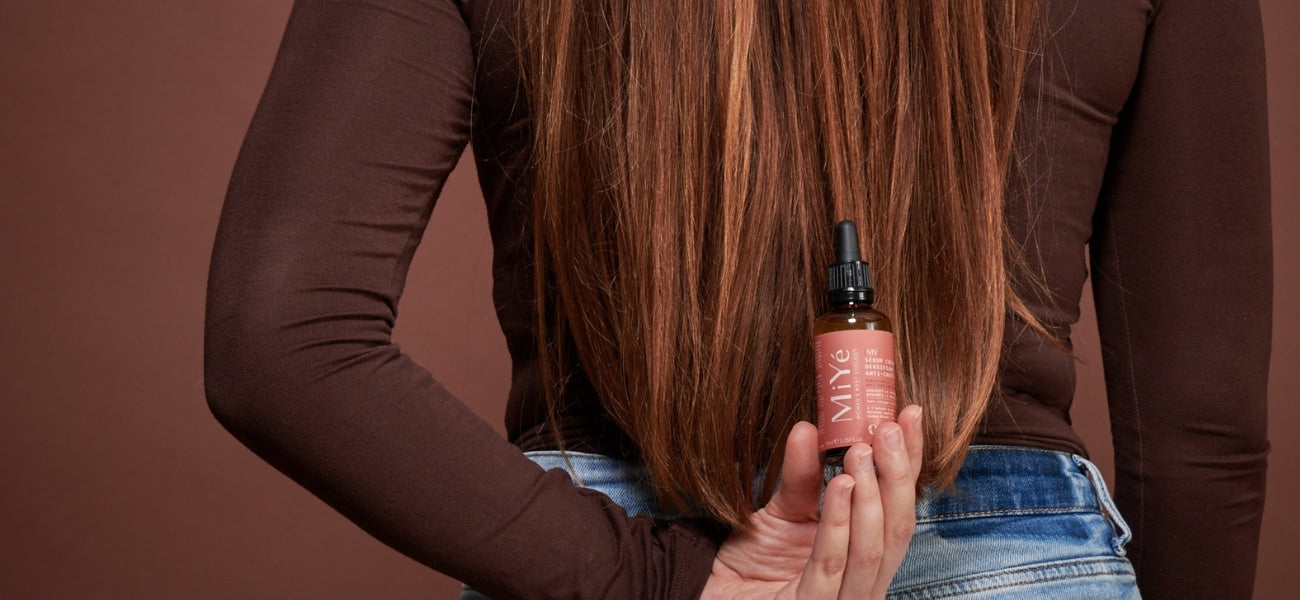
Accompany your massage with our Happy Cycles body serum. Certified organic, it's gentle on the skin and rich in decongesting, draining and soothing active ingredients.

What's more, it contains natural ingredients with incredible properties:

Arnica Montana , rich in anti-inflammatory and analgesic principles, is recognized for its calming and soothing properties by the WHO. It is a powerful ally against discomfort and painful tension.

Ginkgo Biloba , rich in antioxidants, has circulatory and draining properties.

Immortelle hydrosol has recognized circulation-boosting properties, as well as the ability to soothe inflammation, redness, itching and skin discomfort.

– Our Liquorice extract has a decongestant and antioxidant action.

Check out some self-massage videos from our partner Fabienne Crocq, certified in Naturopathy.

Leg-lifting exercises:

Lie on your back and raise your legs vertically against a wall for a few minutes. This helps drain lymph from the legs to the upper body.

Alternative medicine:

Methods such as acupuncture can help restore hormonal balance and reduce retention.

Foods to choose and avoid:

Cruciferous vegetables such as broccoli, cauliflower and Brussels sprouts are the first choice for regulating estrogen levels and preventing water retention.

They are rich in sulfur compounds that help the liver to metabolize estrogen efficiently.

In addition, flax and chia seeds are valuable sources of omega-3 fatty acids and lignans, which promote hormonal balance.

Berries, meanwhile, are loaded with antioxidants and fiber, contributing to better hormone management.

However, it is essential to limit consumption of foods rich in refined sugars and saturated fats. Alcoholic beverages and ultra-processed products should also be avoided, as they can disrupt hormone function and promote water retention.

Physical activity and detox:

Regular physical activity and gentle detoxification methods can help alleviate the symptoms of water retention.

To help alleviate the effects of excess estrogen on water retention, discover a range of natural products. Our herbal supplements and targeted nutrients are specially formulated to support a healthy hormonal balance. They are designed to support women in their hormonal well-being.

conclusion

By understanding the link between water retention and excess estrogen, you now have simple but effective keys to significantly improve your quality of life.

By incorporating these wise food choices into your diet, you can actively help maintain balanced estrogen levels and prevent the discomforts associated with water retention. And don't forget the importance of self-massage, a practice that can significantly help stimulate lymphatic circulation and reduce water retention.

Discover our dietary supplement cures specially formulated to promote hormonal balance and overall well-being.


Body serum 50 ml

sources

Naturactive:

https://www.naturactive.fr/blog-sante-naturelle/nutrition-et-hygiene-de-vie/tout-savoir-sur-la-retention-deau#:~:text=La%20rétention%20d%27eau%20consiste,utiliser%20le%20terme%20d%27édéma .

Health passport:

https://www.passeportsante.net/fr/Maux/Problemes/Fiche.aspx?doc=retention-eau_pm

Health magazine:

https://www.santemagazine.fr/sante/dossiers/physiologie/a-quoi-servent-les-oestrogenes-946469

RELATED ARTICLES

Dérèglements hormonaux
4 types de sopk
  • 0 comments

The 4 types of PCOS: how to identify yours to better treat it

Accurately identifying your PCOS subtype allows treatment to be tailored to the underlying causes: insulin resistance, adrenal hyperandrogenism, low-grade inflammation, or simply the post-pill transition. This targeted approach not only improves cycle regularity and fertility but also helps prevent metabolic and cardiovascular complications.

Read more

Dérèglements hormonauxRègles
couleur des regles signification
  • 0 comments

What do the different colors of your period mean ? Understanding your flow

The color of menstrual blood naturally changes throughout the cycle, primarily due to the amount of time the blood is exposed to oxygen and the rate at which it is expelled from the uterus. At the beginning of the flow, the blood is often bright red: it is fresh, oxygenated, and flows quickly. Later, as the flow slows, the blood remains longer in the uterus or vagina, oxidizes, and turns darker shades, such as burgundy or dark brown. Observing the color of your period helps you learn to interpret your body's signals and distinguish between what is normal and what might require medical attention.

Read more

Dérèglements hormonauxInconforts physiques liés aux hormones
Fatigue avant et pendant les règles : pourquoi votre corps s'épuise chaque mois (et comment y remédier naturellement)
  • 0 comments

Fatigue before and during menstruation: why your body gets exhausted every month (and how to remedy it naturally)

Key takeaways Fatigue during periods is hormonal: the sudden drop in estrogen and progesterone at the end of the cycle reduces energy (up to -30%) and affects around 75% of women. The cycle directly influences your energy: there is a...

Read more

Dérèglements hormonauxInconforts physiques liés aux hormones
Pourquoi mes règles empirent-elles ? Causes et solutions naturelles
  • 0 comments

Why are my periods getting worse ? Causes and natural solutions

Key takeaways Increasing inflammation : over time, the body produces more prostaglandins → stronger uterine contractions + lack of oxygen → more intense pain. Hormonal imbalance : excess estrogen vs progesterone makes the uterus more sensitive and amplifies pain (up...

Read more

Dérèglements hormonauxInconforts physiques liés aux hormones
Ménopause et brouillard mental : Qu'est-ce que le brain fog ?
  • 0 comments

Menopause and brain fog: What is brain fog ?

Menopausal brain fog, also known as mental fog, refers to the feeling of a cluttered mind, characterized by forgetfulness, difficulty concentrating, and slowed thinking. You are not alone: many women experience these symptoms during the transition to menopause, often due to the drop in estrogen levels.

Read more

Dérèglements hormonauxInconforts physiques liés aux hormones
Quelles sont les meilleures postures pour soulager la douleur pendant les règles ?
  • 0 comments

What are the best positions to relieve menstrual pain ?

When your period arrives, a few simple postures can really help reduce pain. By lying down, relaxing your abdominal muscles, and promoting blood circulation in your pelvis, you can effectively alleviate cramps and contractions. These exercises, often inspired by yoga or gentle movements, offer natural relief: whether you're in the fetal position on your side, sitting upright in a chair, or in child's pose (Balasana), they can help you without necessarily resorting to medication.

Read more

DigestionInconforts physiques liés aux hormones
Adénomyose et ventre gonflé : comprendre ce symptôme pour mieux le vivre au quotidien
  • 0 comments

Adenomyosis and bloating: understanding this symptom to better manage it on a daily basis

Key takeaways Adenomyosis is a uterine condition in which endometrial cells infiltrate the uterine muscle, causing inflammation, pain, and thickening of the uterus. It can lead to a “hormonal” bloated belly, linked to inflammation, water retention, and an increase in...

Read more

Bouffée de chaleur sans ménopause : comprendre les causes et soulager naturellement
  • 0 comments

Bouffée de chaleur sans ménopause : comprendre les causes et soulager naturellement

Hot flashes are not limited to menopause: they can appear at any age, often linked to hormonal fluctuations, stress, or certain medical conditions. Several factors can trigger them, such as premenstrual syndrome, postpartum, thyroid disorders, certain medications, or everyday factors...

Read more

Dérèglements hormonaux
Reconnaître les premiers signes de la ménopause et apprendre à mieux vivre avec
  • 0 comments

Recognizing the early signs of menopause and learning to live better with them

Perimenopause often begins with irregular cycles (more spaced-out, heavier or shorter periods), a sign of a gradual decline in estrogen. Menopause is defined after 12 months without a period, when the ovaries stop releasing eggs and produce fewer hormones. The...

Read more

Digestion
Comment soulager vos ballonements naturellement et efficacement ?
  • 0 comments

How to relieve your bloating naturally and effectively ?

How can you naturally and effectively relieve your bloating? For fast relief, put one drop of peppermint essential oil in a teaspoon of vegetable oil, then gently massage your belly in circular motions, clockwise. You will feel gas being released,...

Read more