




SUMMARY


























Learn more about endometriosis
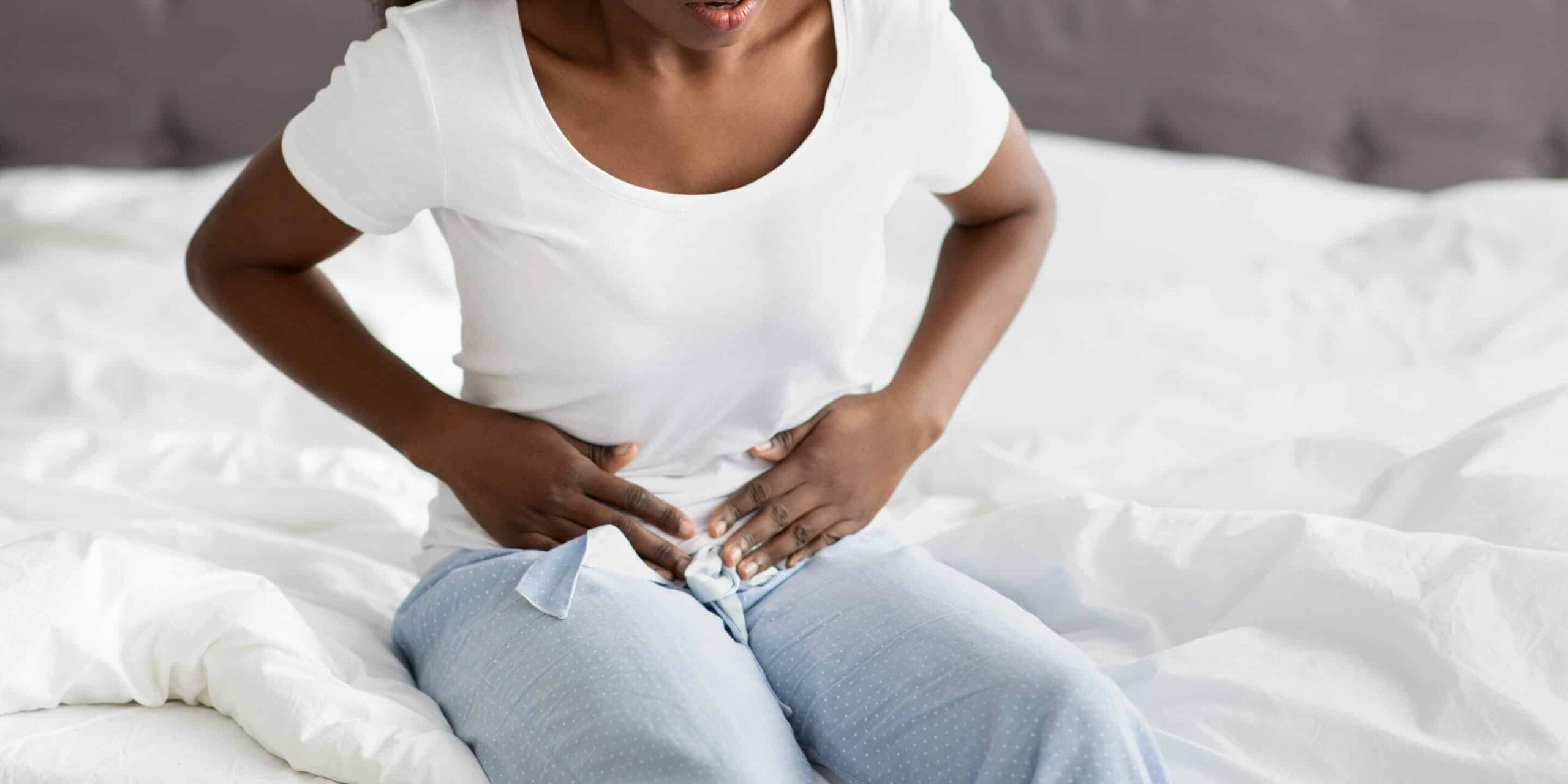
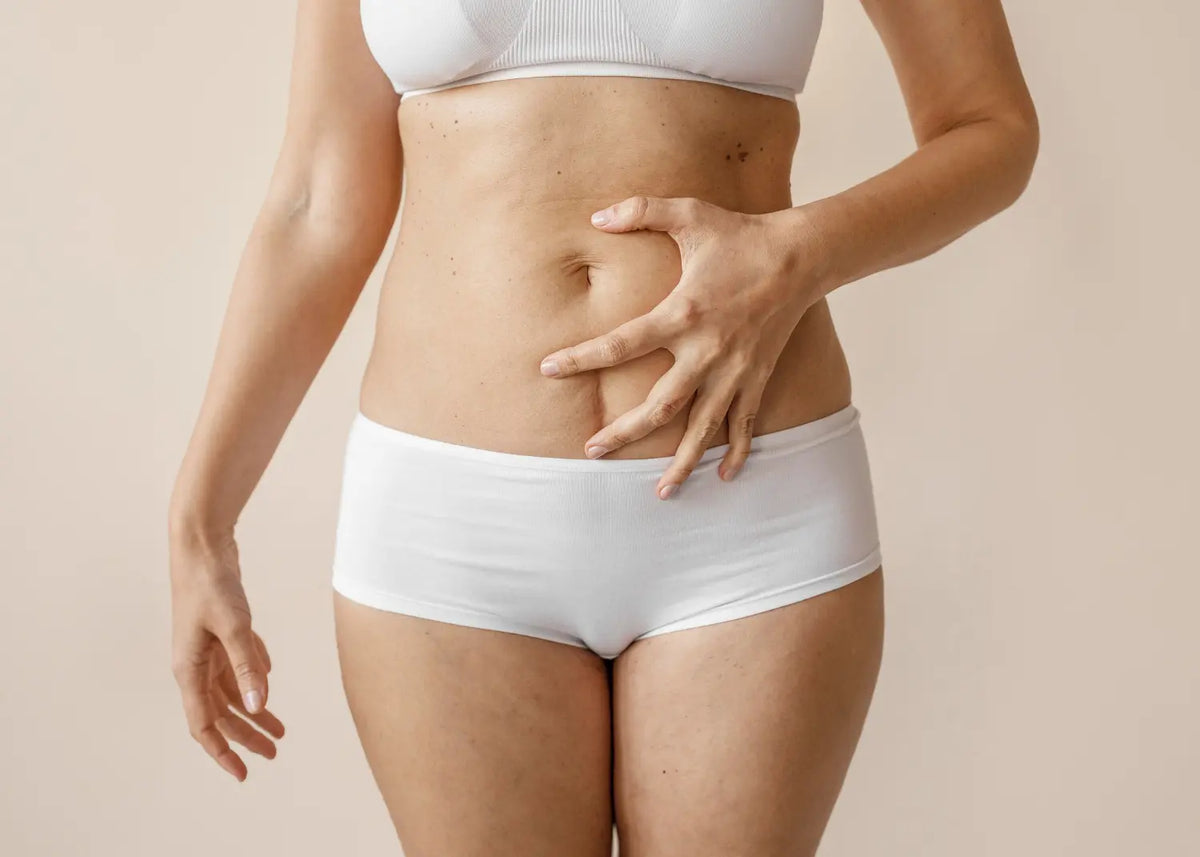
Endometriosis is a pathology that affects 10% of women. Although it is being talked about more and more and the general public and health professionals are becoming increasingly aware of it, it is still under-diagnosed and synonymous with medical wandering (7 years on average...) Once a name has been given to the often disabling symptoms, the question of treatment arises. In addition to medication, it is possible, by reviewing one's habits and improving one's lifestyle, to alleviate some of the symptoms and to live better with them on a daily basis Here is a brief overview of good practices to put in place.
What is endometriosis?
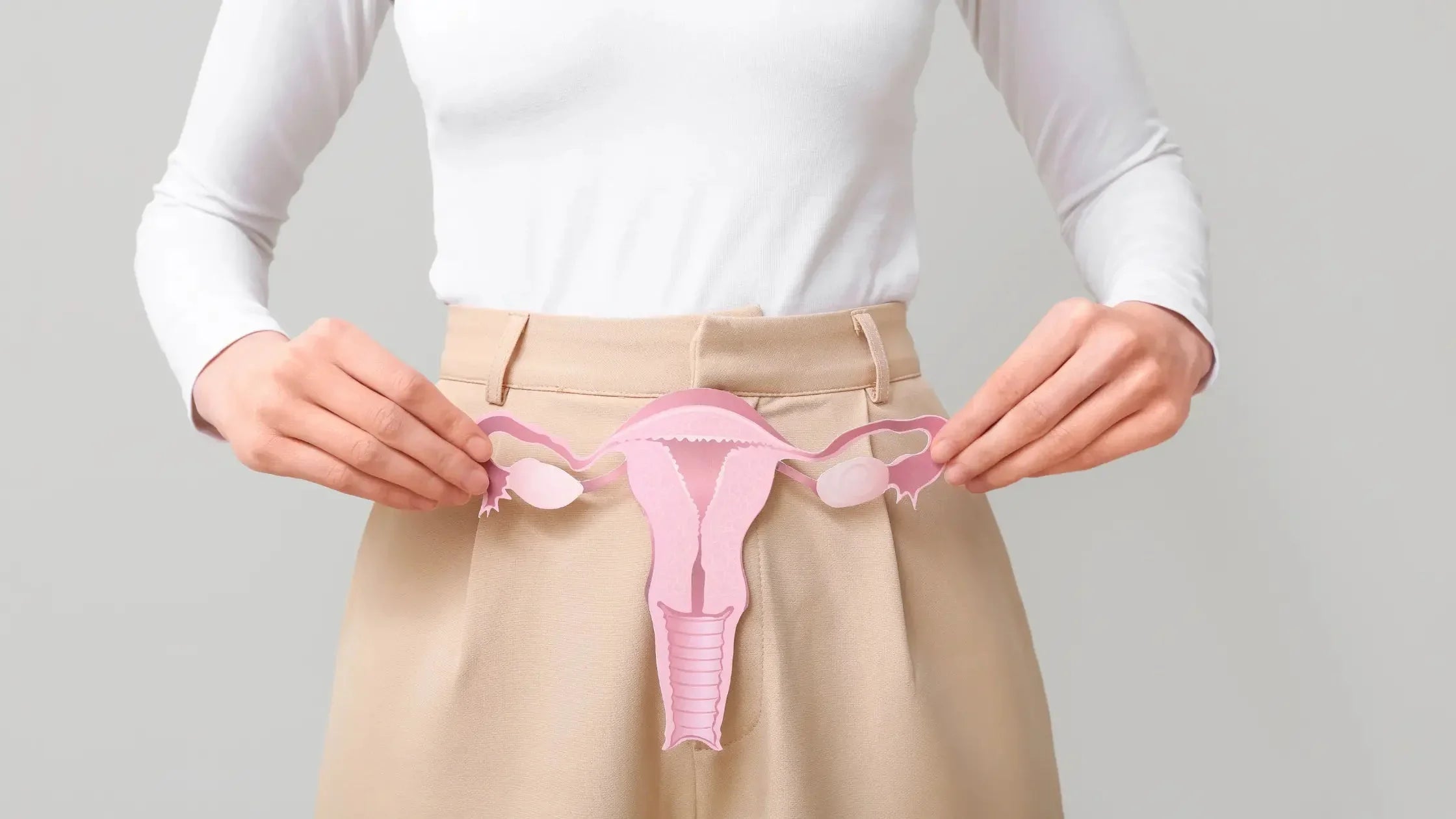
The endometrium is the upper layer of the uterus, which becomes full of blood under the influence of hormones, blood that is eliminated during menstruation. Endometriosis is characterized by the migration and proliferation of endometrial tissue outside the surface layer of the uterus In women with endometriosis, this tissue can be found in organs close to the uterus such as the ovaries, bladder or colon, but in some cases it can also be found in the lungs or kidneys. Thus, depending on the location of these lesions, health professionals define 3 types of endometriosis, which can co-exist in the same woman
- Superficial (or peritoneal) endometriosis when the lesions are on the peritoneum, the "sac" in which the organs of the abdomen are located. This is the most common
- Deep Endometriosis when, to simplify, the lesions are on the organs such as the colon, bladder, lungs... It can be subperitoneal if it affects the organs inside the peritoneum or extra pelvic for the organs outside this sac. It is less hemorrhagic because the tissues that make it up are less sensitive to hormones than other types of endometriosis, but can be more painful and invasive
- Ovarian endometriosis (or endometrioma) when endometrial tissue is found on and then progressively in the ovaries. It is often associated with deep endometriosis
The endometrial tissue can migrate into the muscle of the uterus, the myometrium. This is called adenomyosis or endometriosis inside the uterus. These tissues, like those in the uterus, are sensitive to the action of estrogen and progesterone. Their thickness and constitution therefore vary according to the period of the cycle. This abnormality in the implantation of the endometrial tissues causes intestinal discomfort, which can be very serious, as well as pain during menstruation, sexual intercourse and trips to the bathroom. And it is not so much the extent or the number but the location of the tissues that is responsible for these pains. It can also be responsible for fertility problems and generally leads to a lot of fatigue and an alteration in morale

Causes:
The causes of this pathology are still poorly understood but genetic and environmental factors coupled with immune system failure are often pointed to In order to diagnose endometriosis, in addition to an in-depth interview with their patients, doctors prescribe tests such as endovaginal ultrasound or MRI To date, there is no treatment for the disease. Pain relief with painkillers and hormonal treatments such as the pill are often proposed. In some cases, surgery is possible. The symptoms disappear at menopause, when the body is no longer under the influence of hormones.

To relieve the symptoms of endometriosis, it is necessary to act on 3 levels: regulate the hormonal balance, adopt an anti-inflammatory diet and relieve stress
Adopt an anti-inflammatory and antioxidant diet and antioxidant diet:
To relieve the pain associated with endometriosis, it is important to :
- Introduce fruits and vegetables in large quantities. As far as fruit is concerned, small red fruits and citrus fruits, due to their high antioxidant content, will be particularly beneficial. For vegetables, they should represent at least half of the plate. Try to choose raw and gently steamed vegetables to fill up on nutrients.
- Increase your intake of good fats: fatty fish (salmon or tuna once a week maximum and sardines and mackerel 2 to 3 times), chia seeds, oilseeds as snacks, in salads, soups, flaxseed, walnut, rapeseed, camelina and hempseed oils (choose organic and cold-pressed oils, in small opaque containers and keep in the refrigerator)
- Spice your dishes and drinks with ginger or turmeric
- Choose whole grain versions of pasta, rice and bread to fill up on fiber and limit the rise in blood sugar levels
- Limit dairy products, sugary foods, saturated fats (such as red meat for example), industrial dishes and of course alcohol.

Regulate the hormonal balance
In order for the influence of hormones to be as gentle and physiological as possible, it is necessary to support the often failing hormonal detox, to take care of one's microbiota and to reduce exposure to xenoestrogens, i.e. estrogens that are not manufactured by the body and that come from the environment. Concerning the hormonal detox, we had devoted an article to it Hormonal detox. It is mainly a matter of supporting the work of the liver, with the help of certain plants, the application of a hot water bottle and an adapted diet As far as xenoestrogens are concerned, it is a matter of avoiding exposure to endocrine disruptors as much as possible. It is preferable to eat organic food, to avoid all plastics in contact with food, to choose carefully cosmetics and cleaning products for the house. We should air our home every day Finally, a healthy microbiota, where beneficial bacteria dominate, will be able to develop thanks to a diet rich in fiber and lacto-fermented foods, low in refined sugar and by good chewing.

Soothe your stress
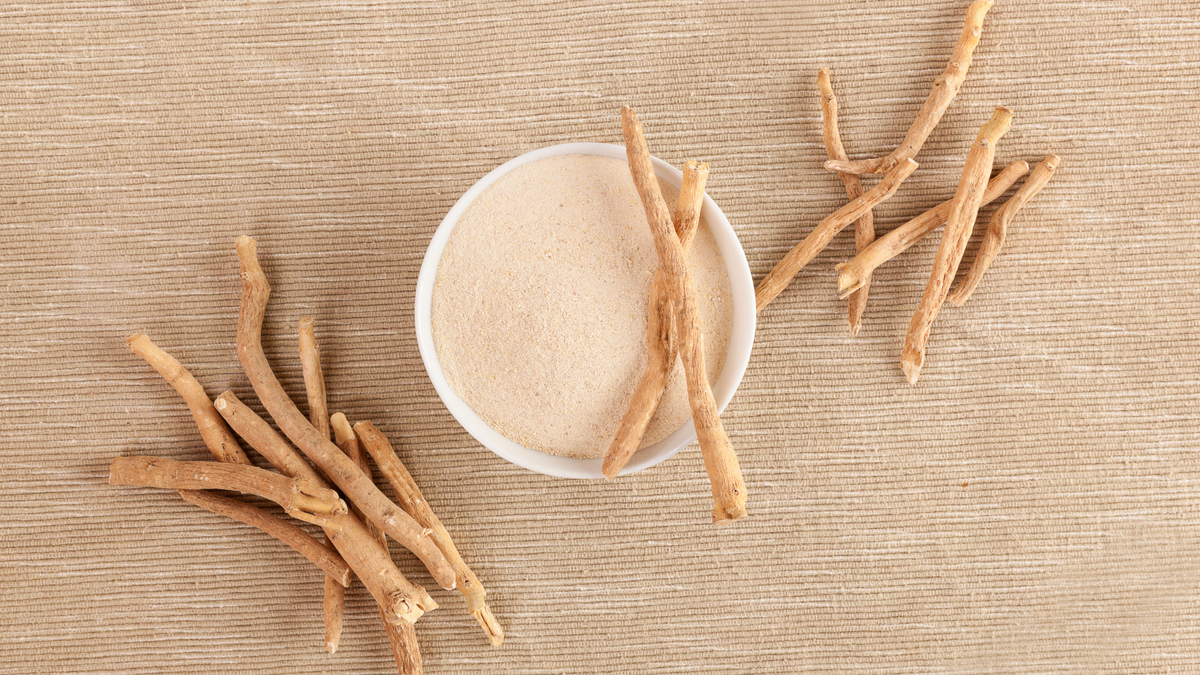
Stress generates inflammation that reinforces the symptoms of endometriosis. It is therefore important to manage it properly so as not to aggravate them To do this, there is nothing like physical activity to "burn off" the cortisol responsible for this inflammation: walking, dancing, tennis, team sports, yoga, whatever. The main thing is to move! Breathing exercises and meditation will also help. By focusing on our bodies, we let go of the mind and stop dwelling on the future or regretting the past. Whether it's square breathing, cardiac coherence or simple abdominal breathing, test different techniques to find the one that suits you best Finally, magnesium and adaptogenic plants will be an effective support For example, you will find ashwagandha, known for its adaptogenic properties, in our food supplement [MY] Female Balance. It is combined with lemon balm with its soothing properties and rosemary, both powerful antioxidants. Rosemary is also a liver detox booster, a tonic and contributes, like the vitamin D that the formula also contains, to the support of the immune system. This is particularly important in the case of endometriosis: the immune system will fight against the implantation of endometrial tissue on organs where it should not be If endometriosis is not cured, following these few tips will help you better manage the symptoms and ease the discomfort. Changing your habits and giving up certain foods can sometimes seem difficult and frustrating, but feeling better, more fit and being able to enjoy life and its many pleasures again is the best motivation there is!


Share:
Omega 3: What role does it play on hormones and metabolism?
Premenstrual syndrome: natural solutions to relieve it!