





SUMMARY
- What is hormonal imbalance?
- What are the most common hormonal disorders?
- Why do our hormones go wrong?
- What are the main symptoms of hormonal disorders?
- IN SEARCH OF LOST HORMONAL BALANCE…
- What to do to preserve your hormonal balance?
- In our opinion, a public health issue that is still largely underestimated.
- How to diagnose a hormonal imbalance?















What is hormonal imbalance?
Pollution, endocrine disruptors, omnipresent stress, for several decades, the female metabolism in particular has been put to the test
Early puberty, fertility problems, hormonal acne, endometriosis , hypothyroidism, female hormonal disorders seem to explode in recent years..

“Female endocrine problems are taking on alarming proportions in recent years…”
That's pretty much what I've heard repeatedly while interviewing several experts from a variety of backgrounds (gynecologists, general practitioners, endocrinologists, naturopaths, nutritionists…) and it's disturbing!
It is estimated that 6 million people suffer from thyroid disorders in France alone ..
By the way, let's talk about “hormones”: what does this word evoke for you? 🧐
Athletes with suspicious musculature? Aggressive behavior? Bad jokes?
In fact, it is as if hormones were a marginal or untouchable element of our physiology… even though they are central to our well-being!
Hormones are the messengers, the “conductors” of our body.
So, when a hormone plays a wrong note, it is the global symphony of our body which is impacted: in the short term, it is our global well-being which is affected (mood, weight gain etc…) and in the long term, numerous health problems are the result!
This is why it is so important to identify and correct imbalances upstream..
What are the most common hormonal disorders?
Hormonal imbalances particularly affect women..
However, especially for women on the pill, some of these hormonal imbalances can be masked for a while (irregular cycles…)
The most frequently encountered female hormonal disorders are those of sex hormones and thyroid hormones, the others are much rarer.
“In adulthood, it is estimated that 7.5% of women are affected by thyroid disorders, against a little less than 3% of men, observes the endocrinologist Pierre Nys, author of “The thyroid GI diet”.
And after the age of 60, the figures rise to 12% for the former, against only 4% for the latter”(1)
It is therefore particularly women at propitious moments in their lives (periods of hormonal fluctuations) who are affected: pregnant or breastfeeding women, but also pre-menopause and menopause in particular!
Why do our hormones go wrong?
Most of the time, there is no direct cause (even if sometimes heredity or a tumor can play a role).
However, all eyes are turning more and more to endocrine disruptors
according to a survey by the magazine 60 millions of consumers (published in May 2017) no less than 23 to 54 different disruptors have been found in the hair of children aged 10 to 15!
With the risk that in the long run, these cocktails of molecules interfere with the effectiveness of the thyroid.
What are the main symptoms of hormonal disorders?
Hypothyroidism, hyperthyroidism, polycystic ovarian syndrome, estrogen dominance, menopause difficulty to live with, some signs of hormonal imbalance are not disappointing:
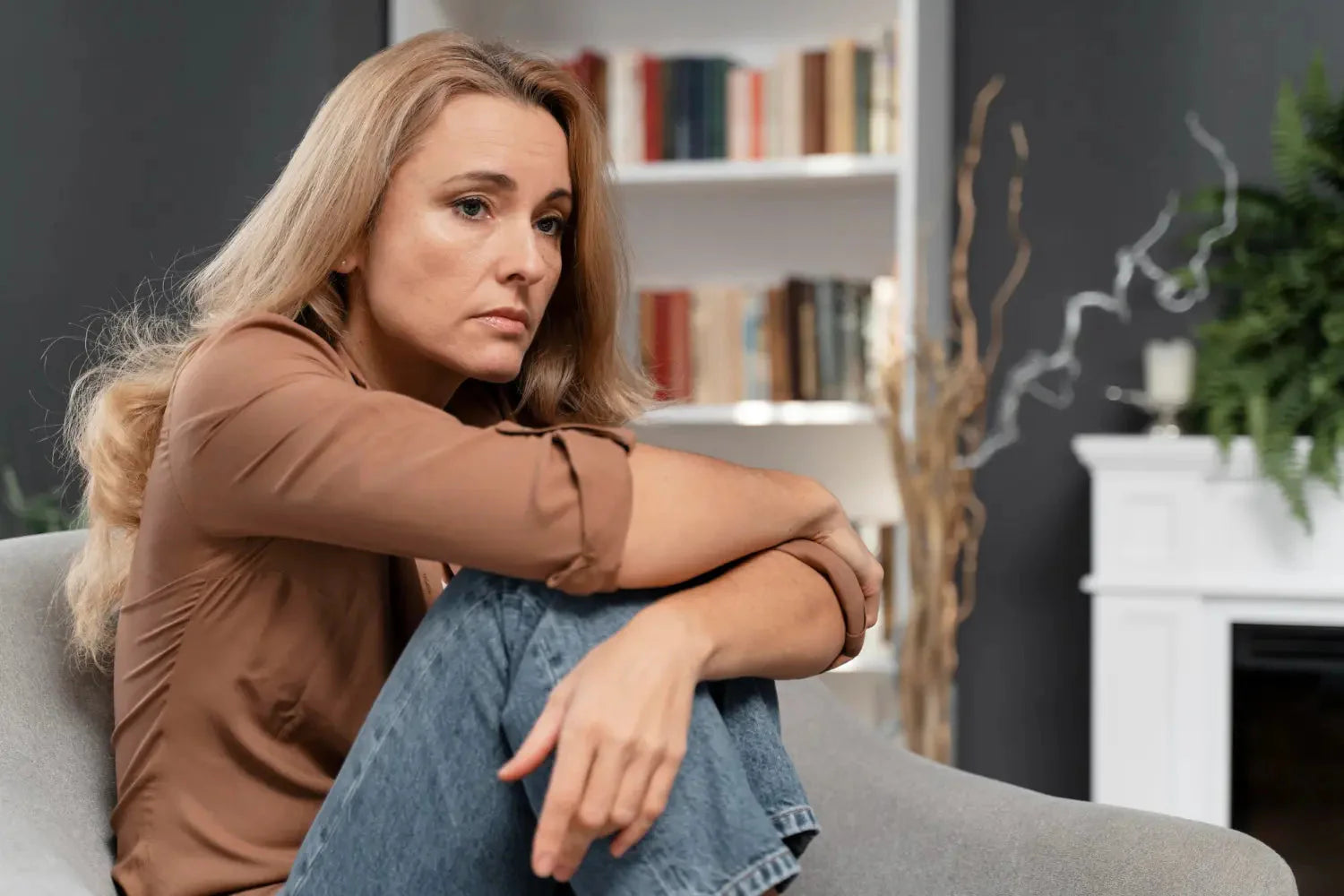
– more frequent mood swings, irritability or hyper-emotionality
– digestive problems
– fatigue that sets in
– decreased libido
– Suddenly more pronounced hair loss ,
– thinning hair and brittle nails,
– a rebound of acne
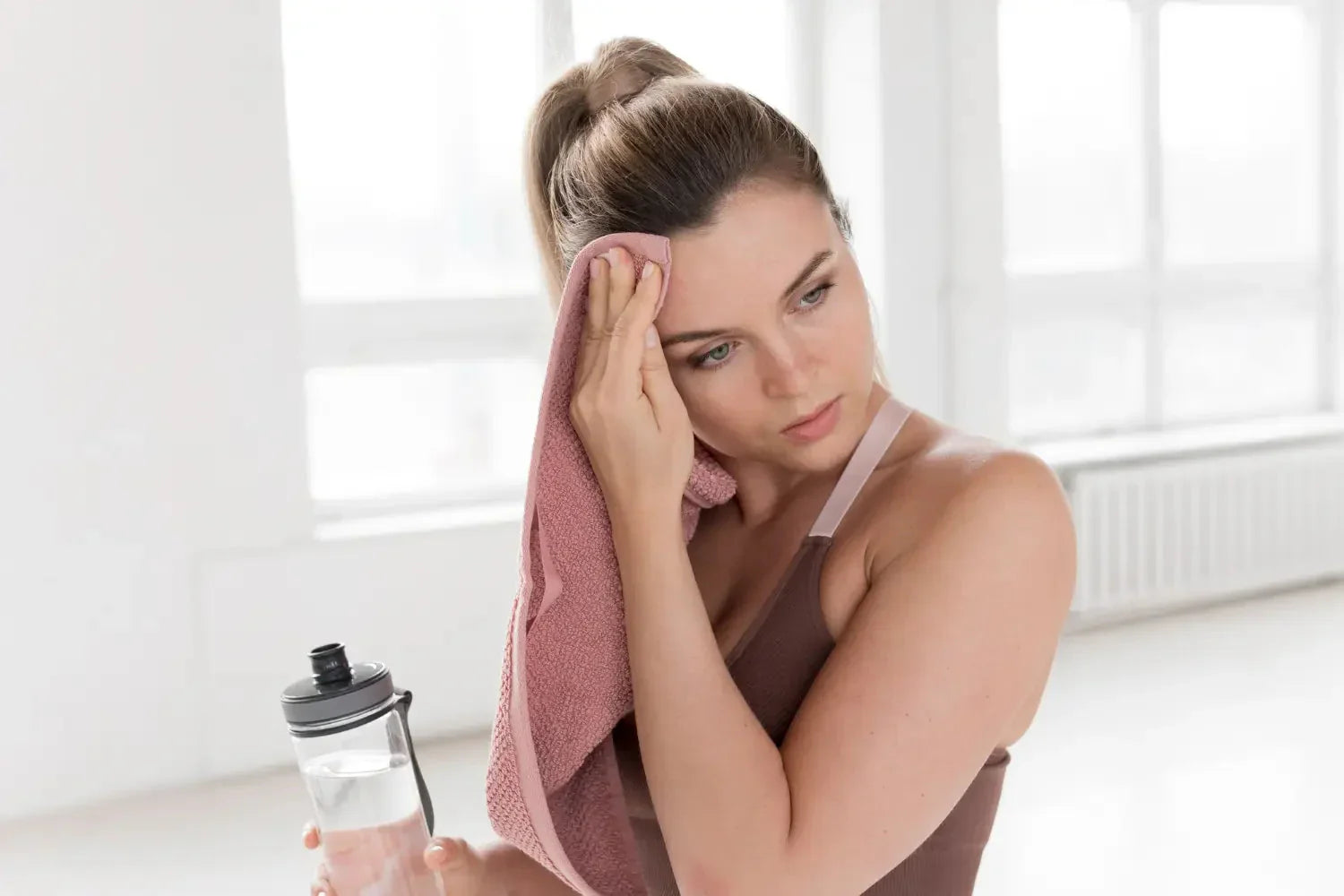
– chilliness or, on the contrary, excessive sweating
– sleeping problems
– a rapid change in weight (up or down) without any change in habits.
HYPERTHYROIDISM
Heart racing, nervous over-stimulation, rapid weight loss without dieting, diarrhea, difficulty falling asleep: combined, these symptoms can be a sign of the beginning of hyperthyroidism (when the thyroid goes into overdrive).
HYPOTHYROIDIA
On the other hand, rapid weight gain with no change in habits, coldness that sets in, low morale, a tendency to constipation and muscle cramps, as well as great fatigue that appears progressively, can be a sign of hypothyroidism, when the thyroid gland works in slow motion and no longer produces enough hormones. This is the most common scenario for women: more than 10% of women suffer from hypothyroidism after age 45 . Most are not treated because the symptoms are sometimes blamed on age (!) or depression..
ESTROGEN DOMINANCE
This is one of the most frequent cases encountered in young women: a hormonal imbalance in favor of estrogen. Estrogen dominance creates an imbalance between the “calming” effect of progesterone (patience, sleep…) and the “stimulating” effect of estrogen (anxiety, insomnia…).
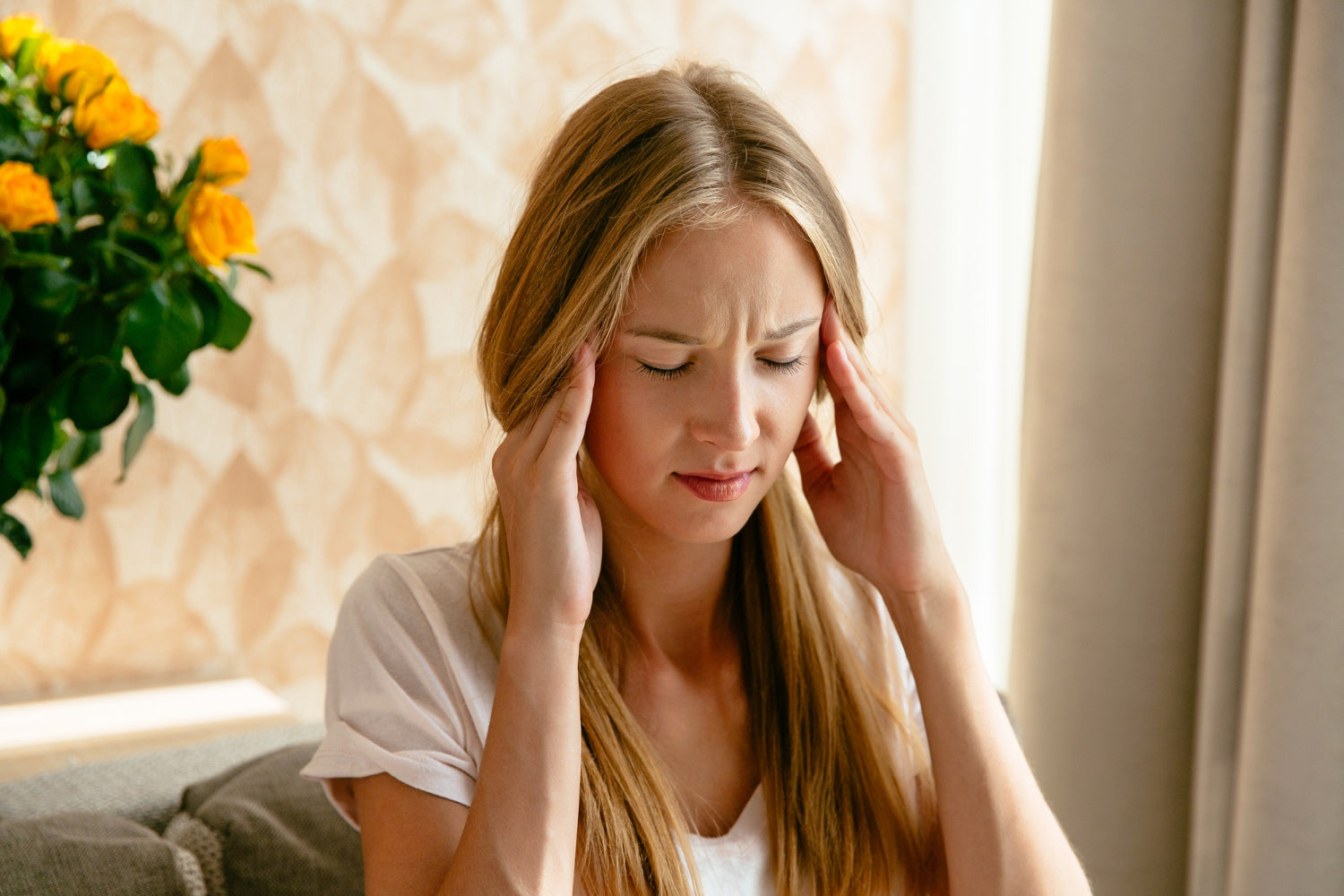
The main symptoms: irritability, anger, agitation, mood swings, tense breasts, water retention, headaches, sugar cravings, memory difficulties, cold feet and hands (symptom of adrenal gland fatigue).
This excess could be due to the xenoestrogens in our environment (see our article on endocrine disruptors ) which have an estrogenic activity similar to that of our hormones. The use of contraceptive pills or an unbalanced or nutrient-poor diet may also be involved.. . Finally, recurrent stress and its cortisol peaks unbalance our entire hormonal functioning!
Nowadays , many experts agree on the fact that many women over 35 already have adrenal glands in difficulty because of the chronic stress of their lives: the synthesis of cortisol will therefore increase to the detriment of progesterone (progesterone being converted into cortisol to cope with stress), thus accentuating this phenomenon of estrogen dominance.
POLYCYSTIC OVARY SYNDROME (POKS)
PCOS is very common, and it is estimated that it affects one in 10 women of childbearing age!
PCOS is a disorder caused by an excess of androgens produced by the ovary. The main symptoms are a tendency to hair growth and hair loss, an irregular cycle and persistent acne.
It is closely linked to the phenomenon of estrogen dominance, but also to early puberty, which increases the risk of suffering from this symptom .
MENOPAUSE
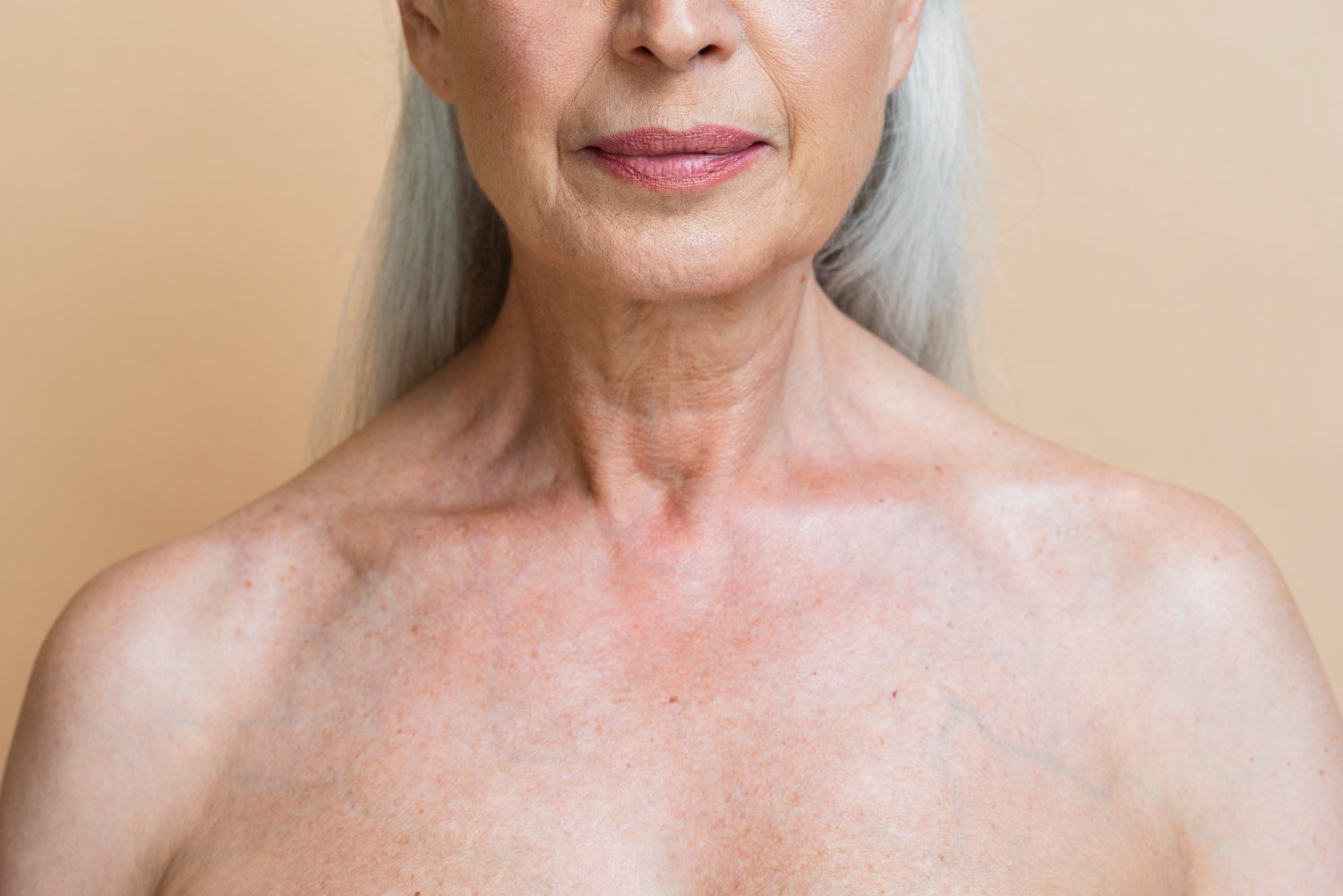
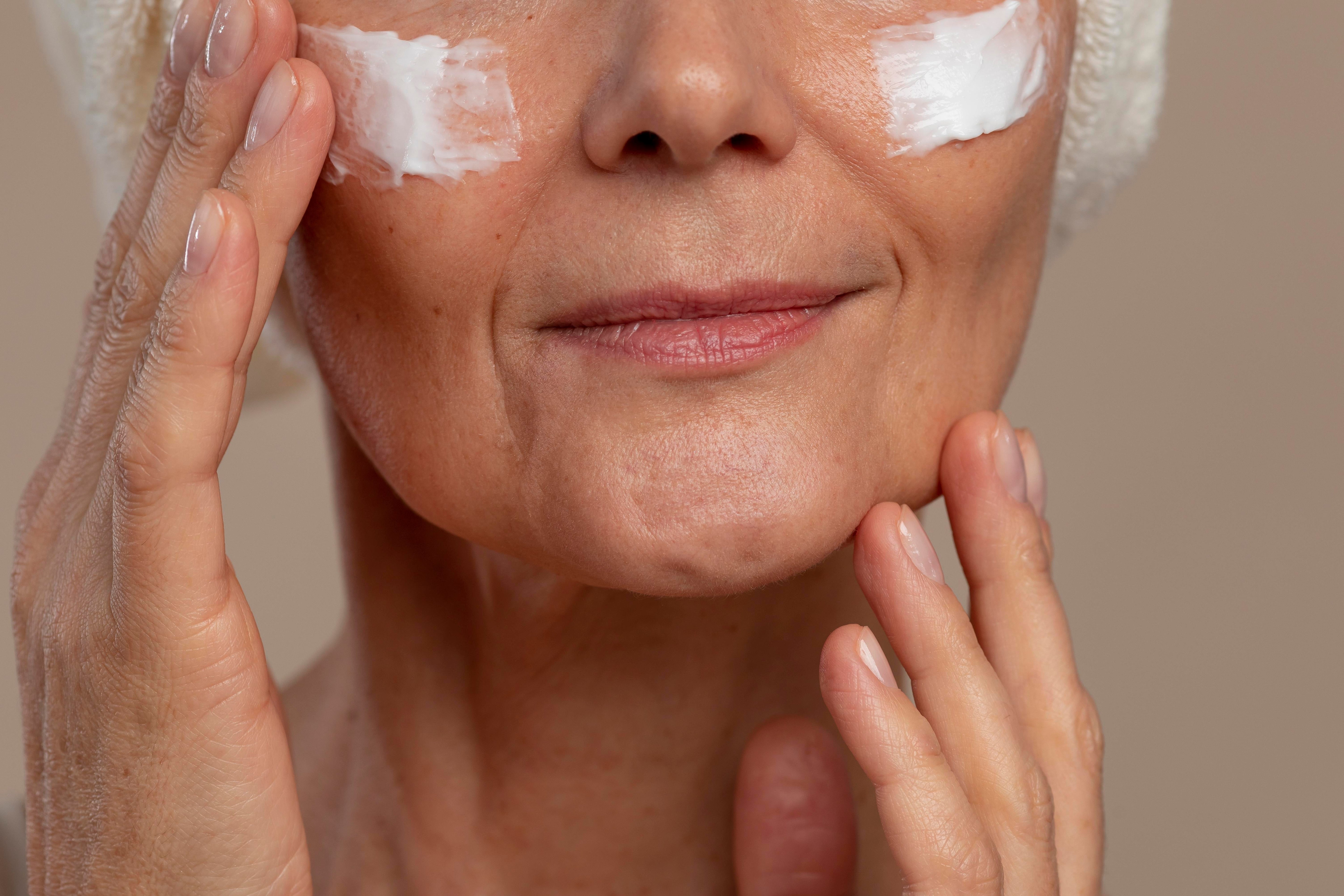
With age, the glands of the endocrine system become less efficient and hormone production often becomes more chaotic and unstable at this time . Menopause is the culmination of the depletion of female sex hormones (estrogen and progesterone), and its arrival often goes hand in hand with numerous disturbances: skin and vaginal dryness, mood swings, hair loss, hot flashes, foggy feeling and other pleasures.
These disorders can appear nearly 10 years before menopause (whose average age is 51 years)
TREATING THE TERRAIN
But, once again, it is all a question of balance, of “terrain”: it is therefore the lifestyle that has a pivotal role. 75% of our hormonal balance depends on our lifestyle: we can therefore act on our hormones in a sensitive way.
An expert warns us: correcting a hormonal imbalance with hormones can have the opposite effect
When the level of cortisol is high (in case of chronic stress for example), the brain no longer responds to estrogen. This is why, during the menopause , a woman with a normal level of estrogen can experience hot flashes following a stressful event. And if she decides to take estrogen supplements to counteract her hot flashes, not only will they not disappear, but this same woman could find herself in estrogen dominance and accentuate certain symptoms (water retention, tense breasts , etc.)
This is why we fundamentally believe that it is the terrain that must be treated, that is to say, essentially the lifestyle, emotional balance and diet to recreate the conditions for a lasting hormonal balance, even after menopause.
IN SEARCH OF LOST HORMONAL BALANCE…
Rest assured, even if they are uncomfortable and have a great impact on our well-being, the vast majority of hormonal imbalances do not necessarily lead to pathologies!
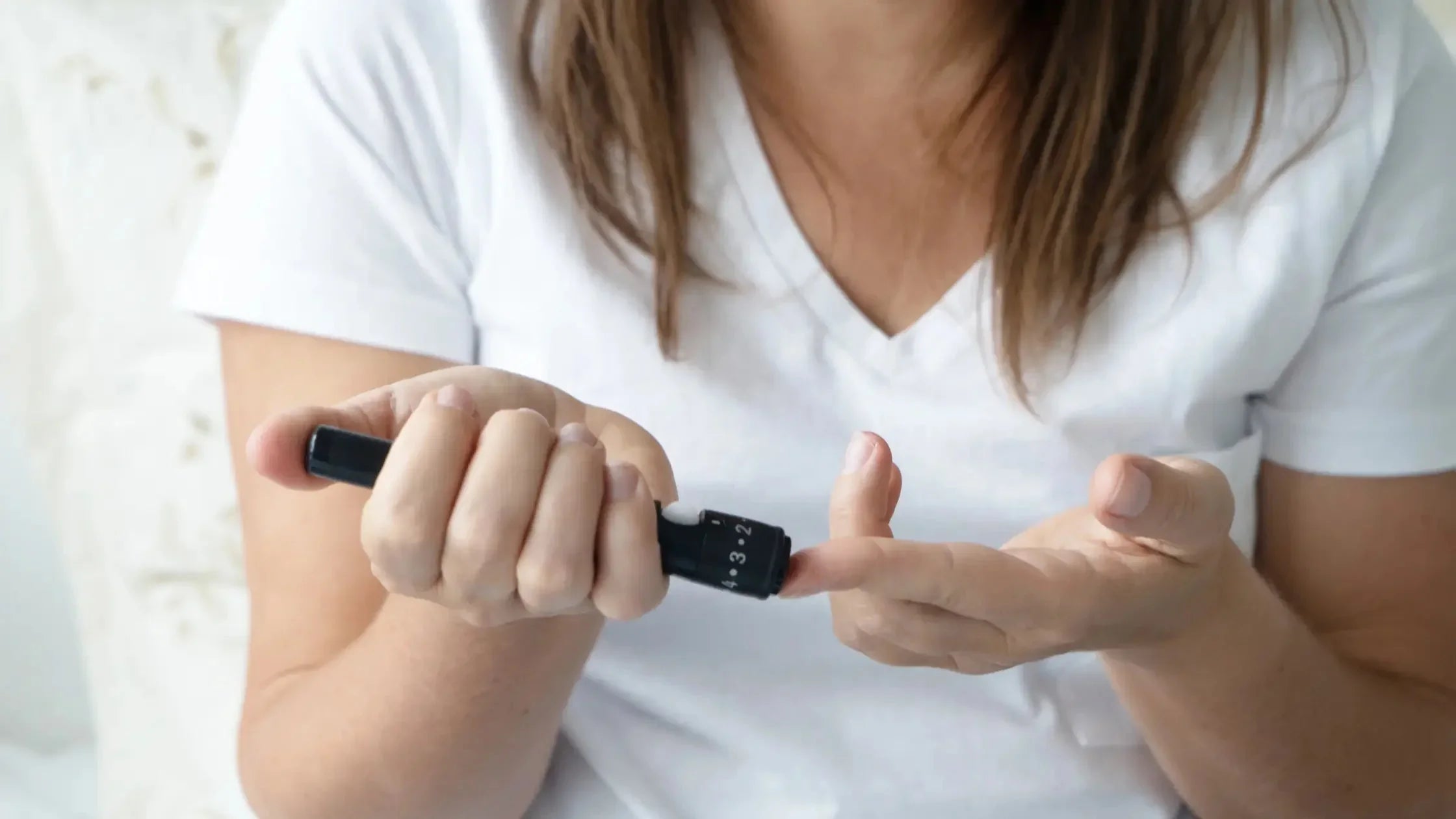
However, some hormonal disorders that persist over time (such as insulin resistance) can lead to more serious problems such as diabetes or obesity.
Today, there is no “miracle drug” that can effectively prevent the appearance of a hormonal disorder.
The most important thing is to treat the “terrain”, which is why we encourage you to identify the symptoms of imbalance and not to let them take hold by adopting a healthy lifestyle.

What to do to preserve your hormonal balance?
1. Learn to better manage your stress
Cardiac coherence, yoga, meditation, phytotherapy, we leave the choice to you!
But learn to know yourself better and to calm yourself down, because it is key!
2. Eat a varied diet, without excess
For example, try not to eat the same food more than twice a week!
And vary the colors on your plate as a reminder: as a bonus, it stimulates culinary creativity.
3. Avoid the major pollutants that “scramble” hormonal communication
Tobacco, pesticides, non-organic meat and dairy products, plastic packaging, certain cosmetic products or furniture, it's time to clean house!
Find out how to avoid the main endocrine disruptors.
What exactly are endocrine disruptors?
A few thousand (at the very least) chemicals have appeared in our environment over the last fifty years. (plastic packaging, pesticides, synthetic hormones, etc.) and seem to “jam” our hormonal communication system. How does this happen? Because of the similarity between man-made chemical compounds and hormones, which are called “xeno-hormones”. To understand, we could compare our hormones to keys, whose role is to unlock locks (called “receptors”) located in our cells in order to make them perform a specific action. However, for the last twenty years, we have noticed that these locks (or “receptors”) can be opened, closed or blocked by components that were not intended for them: the famous endocrine disruptors .
In our opinion, a public health issue that is still largely underestimated.
Fortunately, natural solutions exist and the body is capable of returning naturally to its state of equilibrium if we give it the means to do so before it is too late!
How to diagnose a hormonal imbalance?
If in doubt, talk to your doctor.
If you notice several of the symptoms described in this article, it is recommended to consult a health professional. He or she will ask you detailed questions to find out which hormone(s) may be out of balance in your case. He will then prescribe you blood tests to validate its and propose you an adequate treatment.
MiYé is not intended to replace the advice of a doctor.
Discover Female hormonal balance
Food supplement adapted to the female cycles especially developed to accompany women during their hormonal variations (premenstrual syndrome, peri-menopause, etc. ) leading to emotional and physical imbalances (fatigue, mental fog), to preserve their hormonal balance and to reinforce our metabolism against oxidative stress and inflammation .


Share:
What are the benefits of shiatsu?
Who is Véronique Liesse, our hormonal nutrition expert?